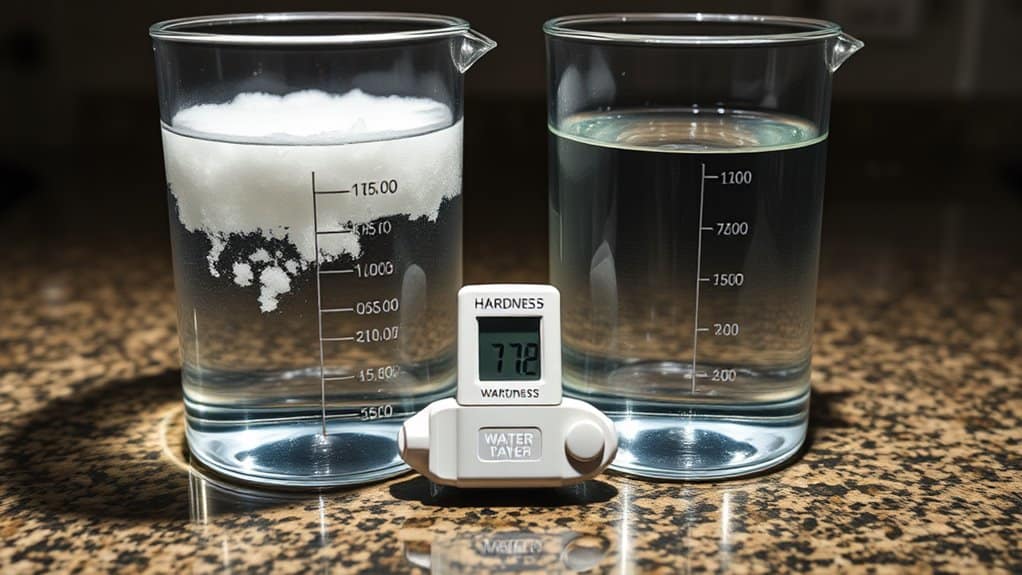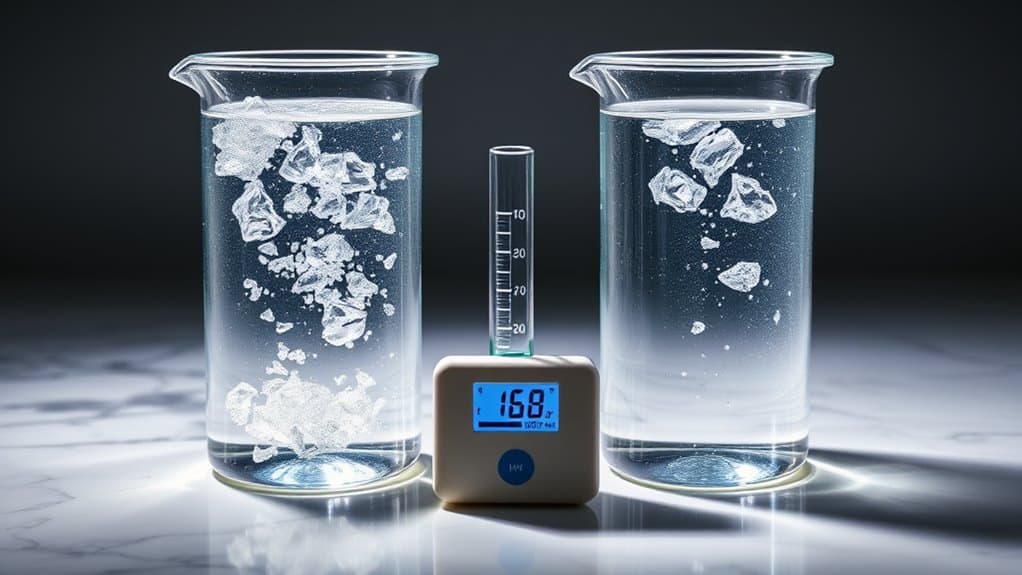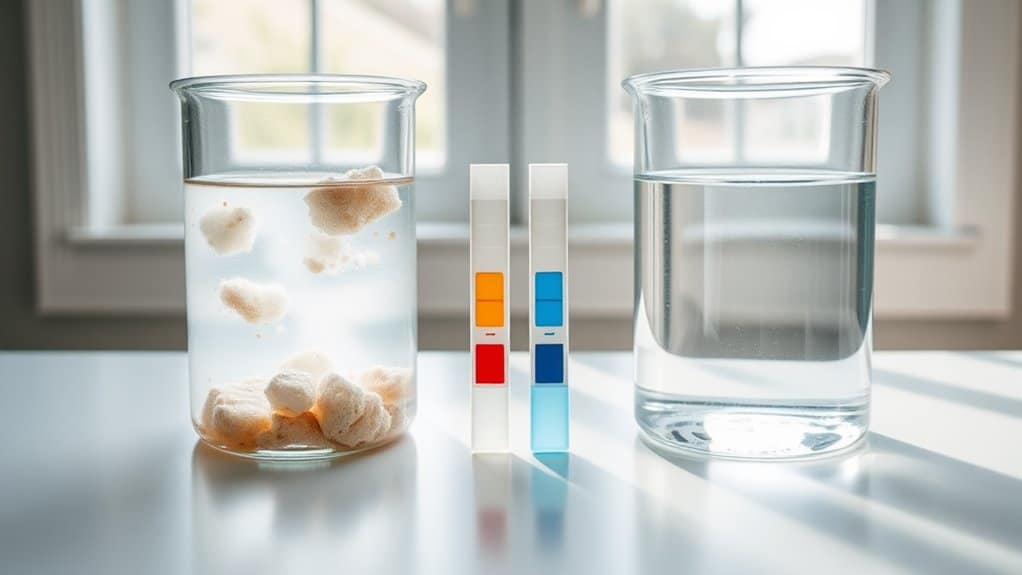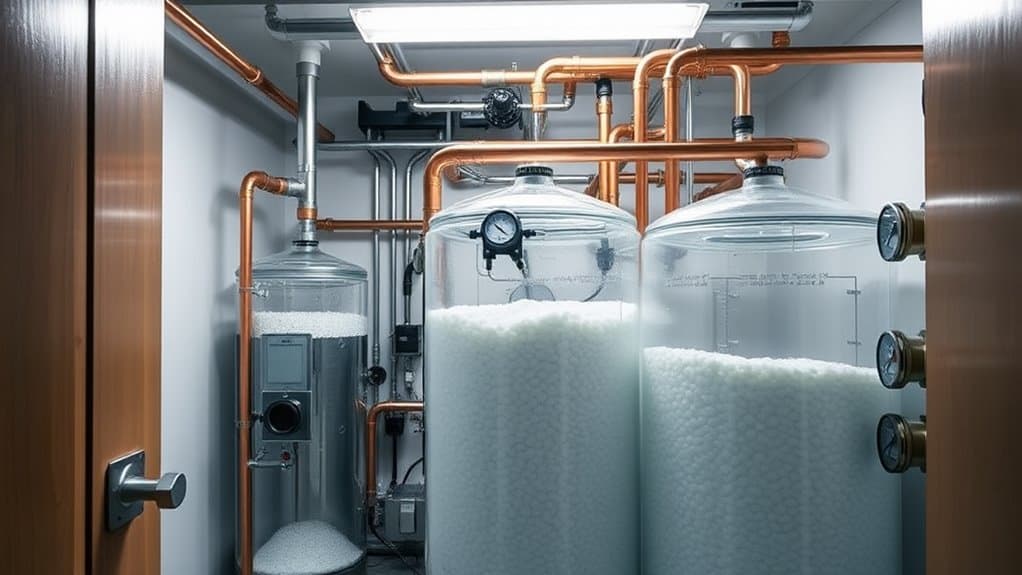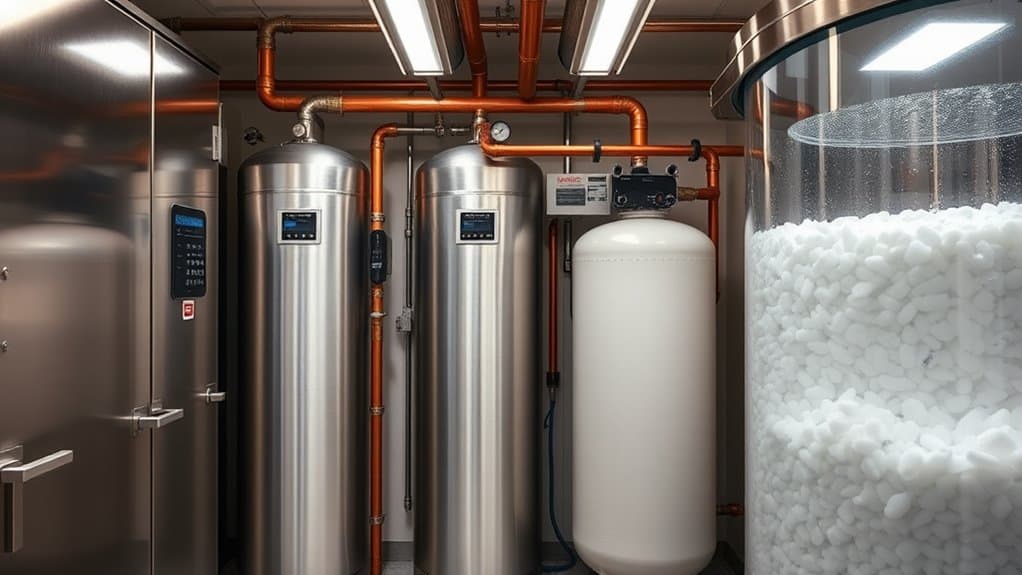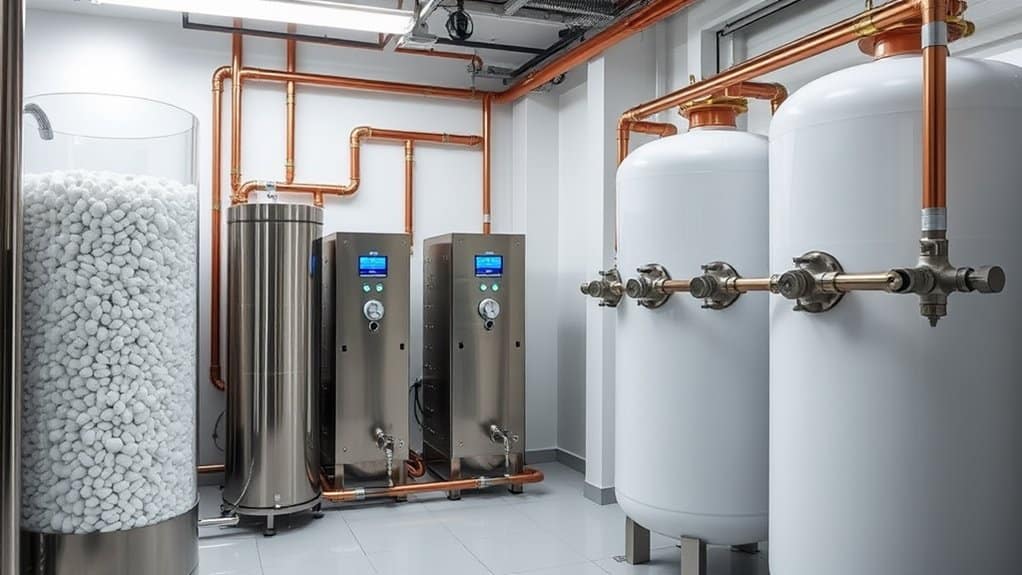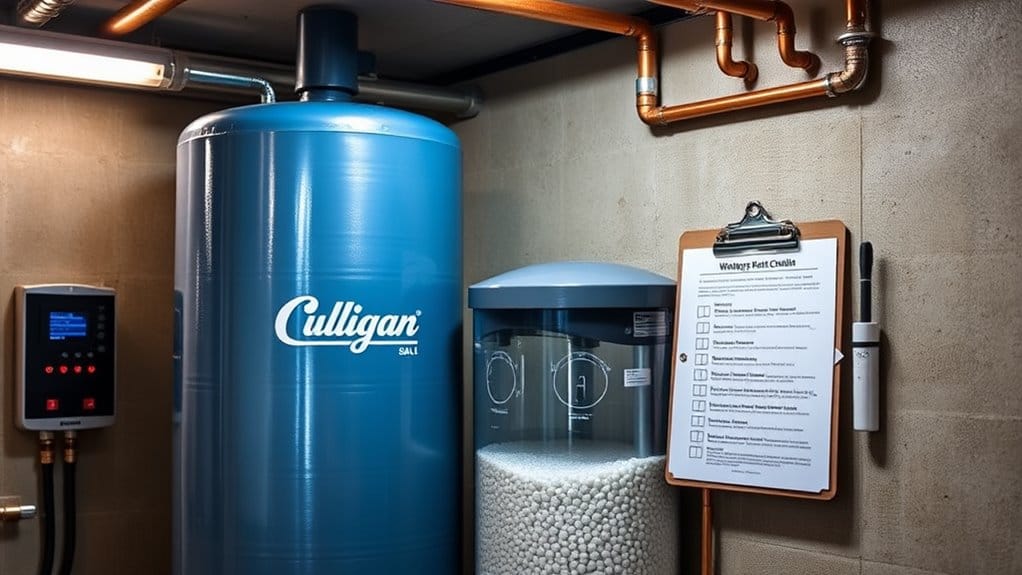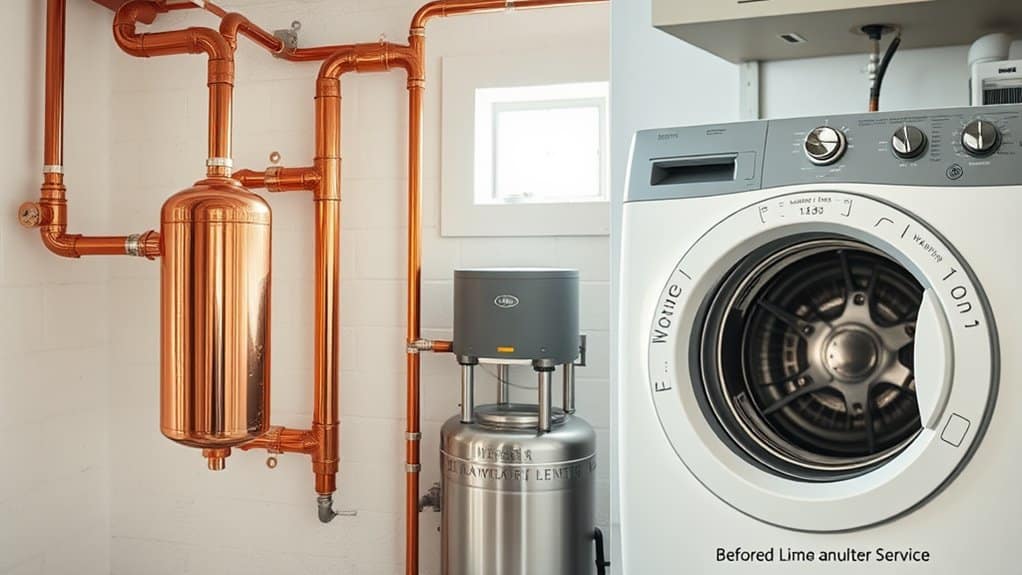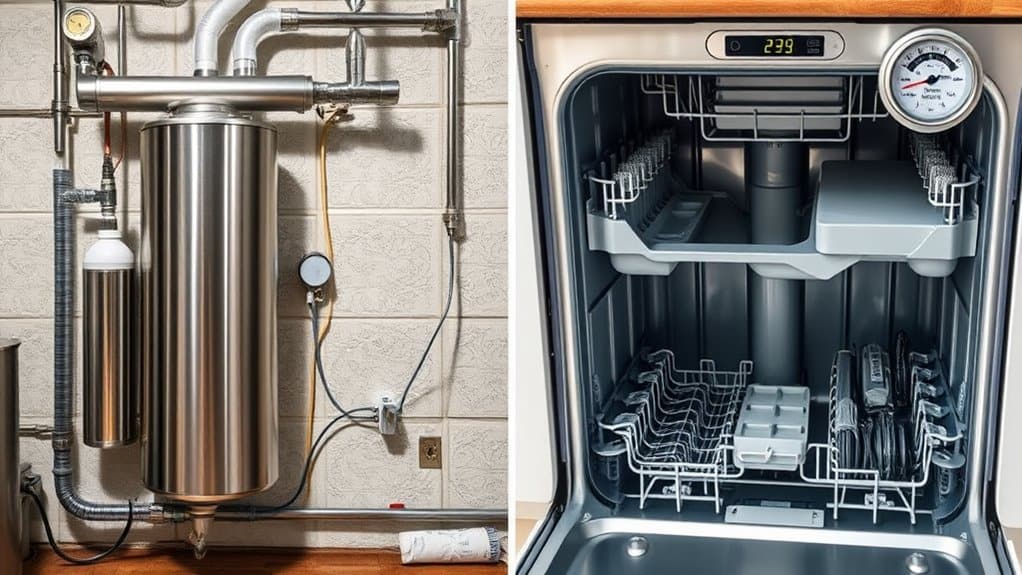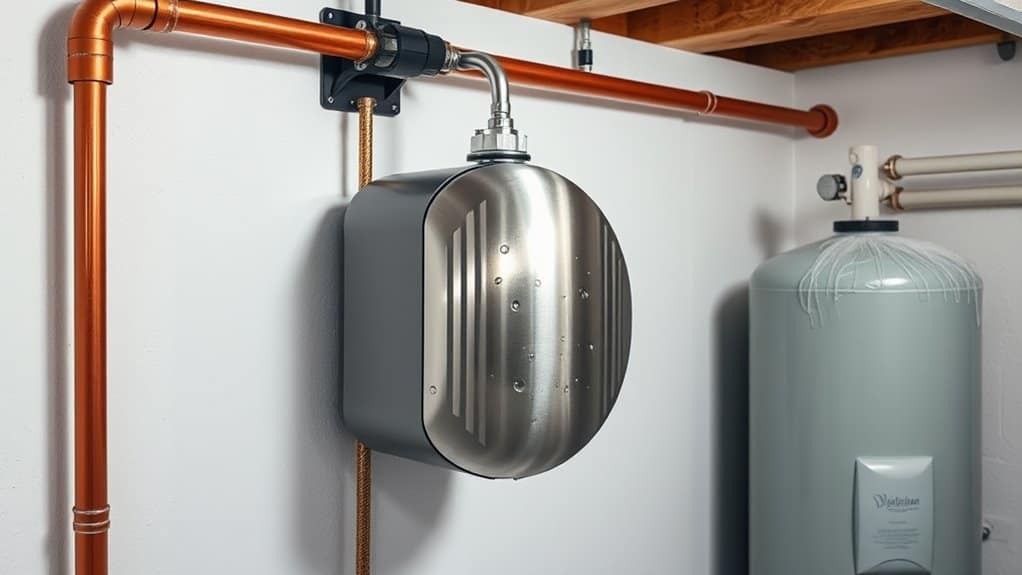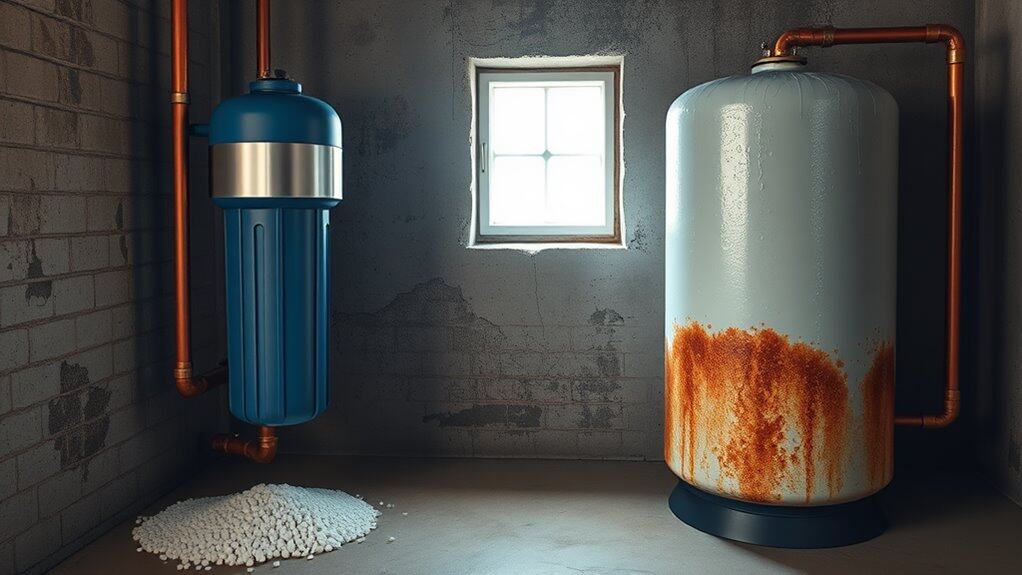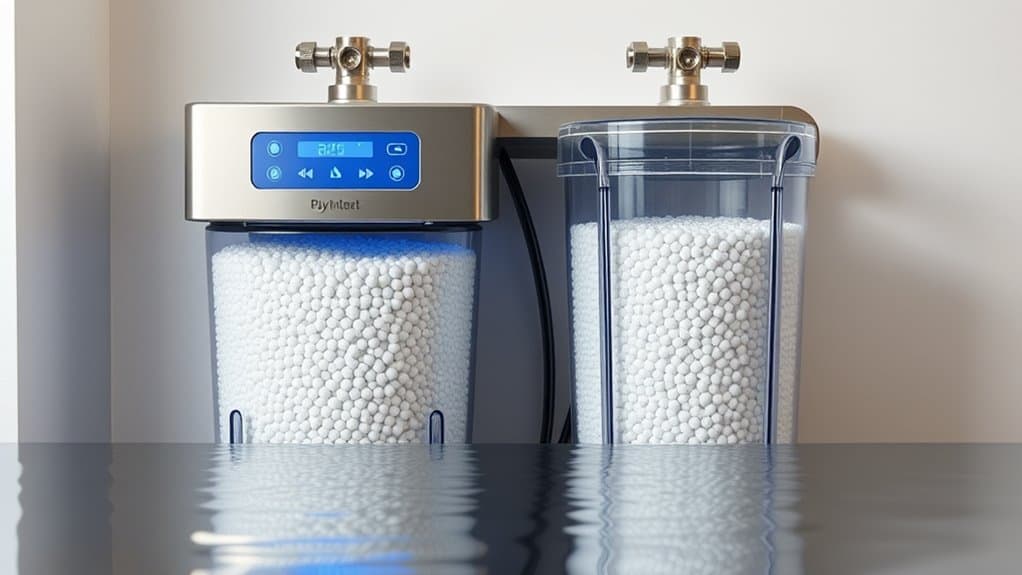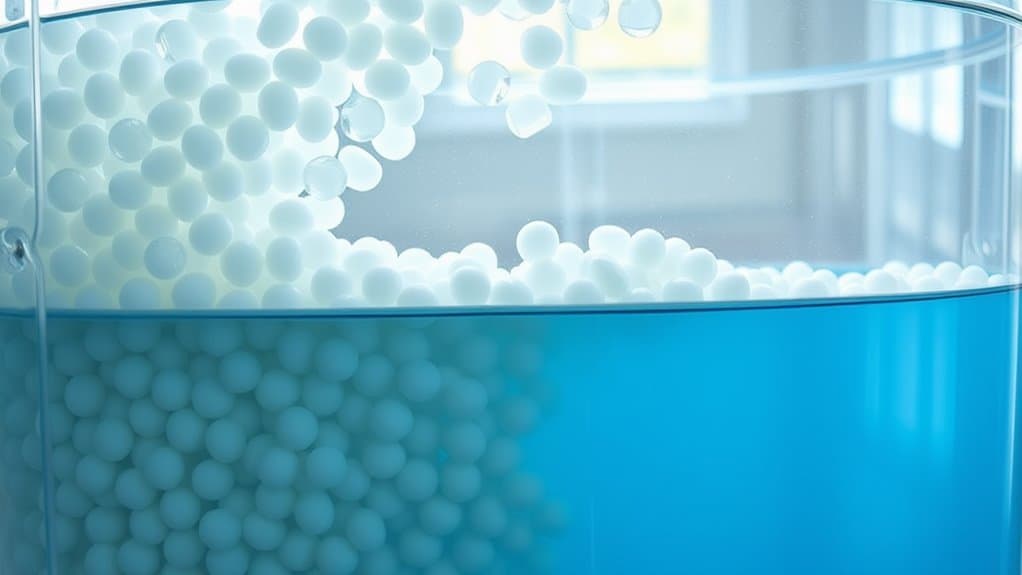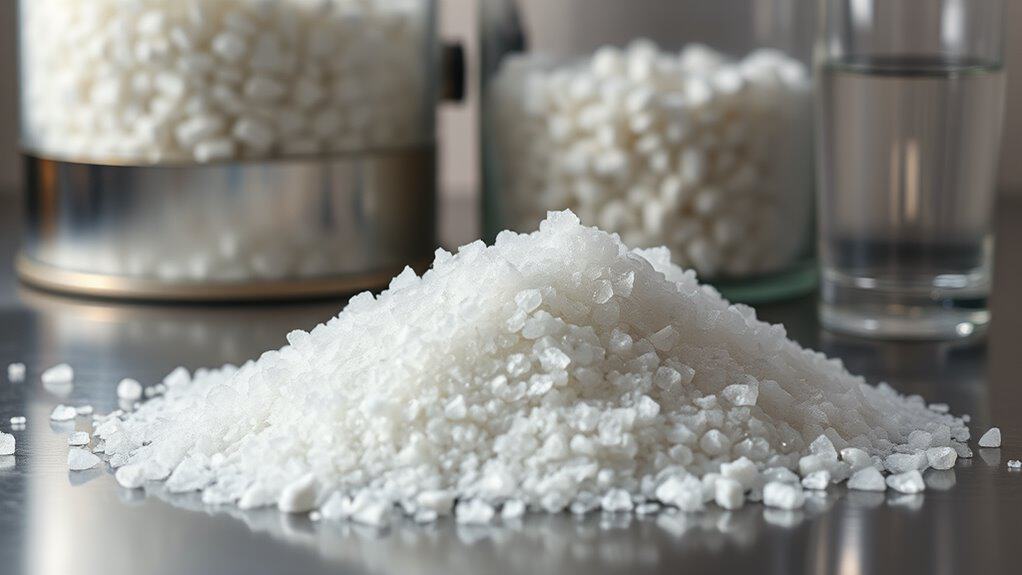
Is Your Water Slowly Destroying Your Home? This System Stopped It Overnight

Invisible water damage threatens homes daily, but discover how one innovative system prevented catastrophic destruction while homeowners slept peacefully.

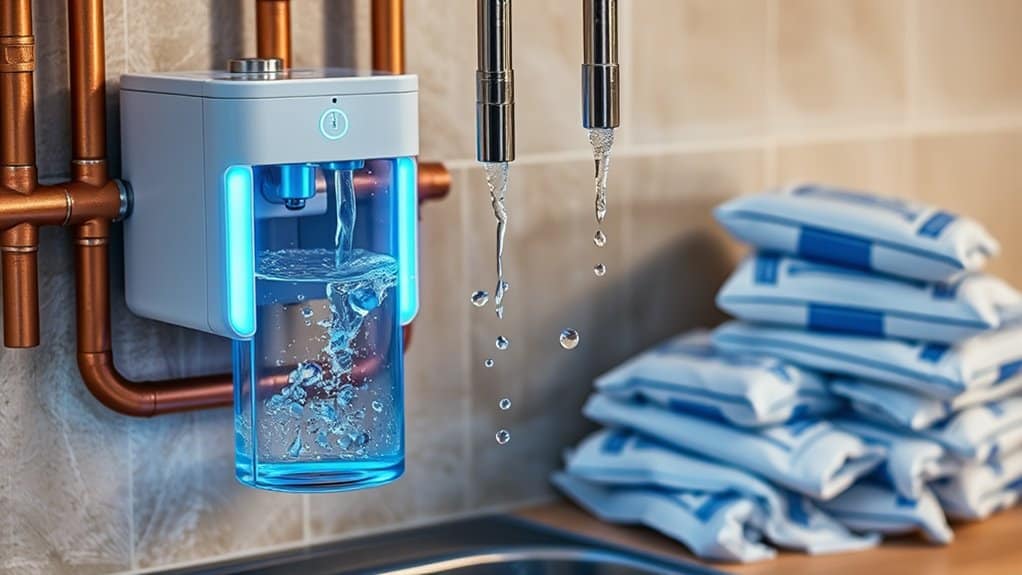
Water damage silently infiltrates homes, causing structural deterioration and costly repairs averaging $12,500. We’ve identified that discoloration, musty odors, peeling paint, and unexpected utility increases often signal hidden moisture problems. Automatic shut-off systems with moisture sensors and flow detection technology provide immediate protection by cutting water supply when leaks occur. These systems offer remote monitoring via smartphone apps, preventing catastrophic damage overnight. Discover how these preventative measures have saved countless homeowners from financial disaster and preserved their property values.

Key Takeaways

  • Automatic shut-off systems detect leaks and immediately stop water flow, preventing up to $12,500 in ceiling leak damage.
  • Products like Flo Shutoff and DROP System provide real-time alerts and remote control via smartphone apps.
  • Hidden water damage from plumbing issues or leaks can silently weaken foundations and compromise structural integrity.
  • Early detection through moisture meters and water meter tests helps identify problems before they cause extensive damage.
  • Installed water monitoring systems offer 24/7 protection with features like battery backup during power outages.

The Hidden Threat: How Water Damages Your Home
water damage risks revealed

While water is essential to life, it poses a significant threat to residential structures when it infiltrates beyond intended pathways.

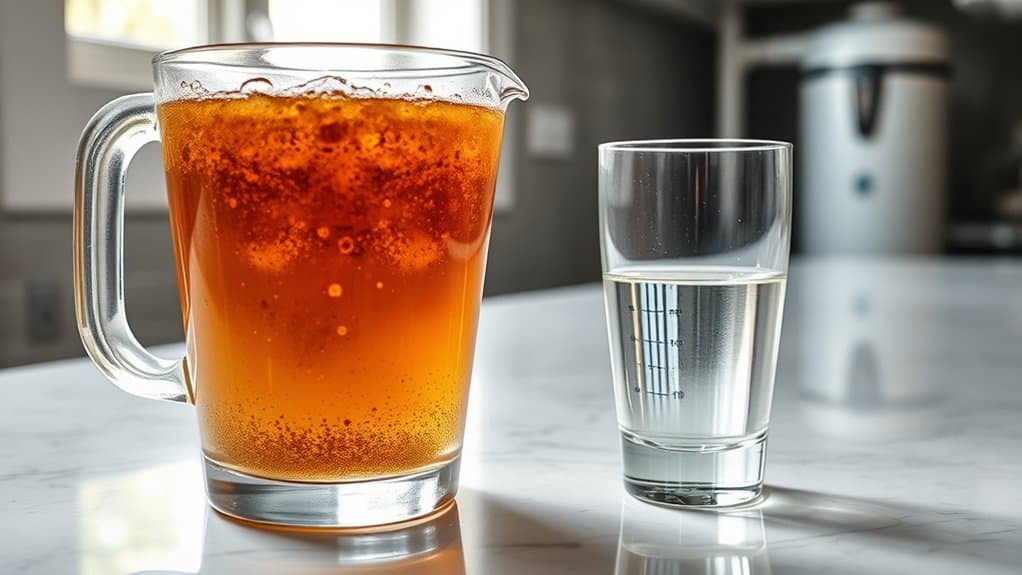
We’ve found that hidden water damage often begins with faulty plumbing, roof leaks, or persistent moisture accumulation in poorly ventilated areas. Signs like unexplained discoloration on walls or ceilings are early indicators that shouldn’t be ignored. Additionally, hard water can lead to appliance malfunction, further exacerbating household issues.

The consequences extend far beyond visible damage. Water silently weakens foundations, compromises wall integrity, and creates dangerous electrical hazards.

Perhaps most concerning is mold proliferation, which threatens both structural components and occupant health.

Left unaddressed, these issues compound exponentially, leading to substantial financial burdens including decreased property value, potential insurance claim denials, and costly remediation requirements.

Warning Signs That Water Is Compromising Your Property
water damage warning signs

Recognizing water damage in its early stages remains critical for property preservation and occupant health.

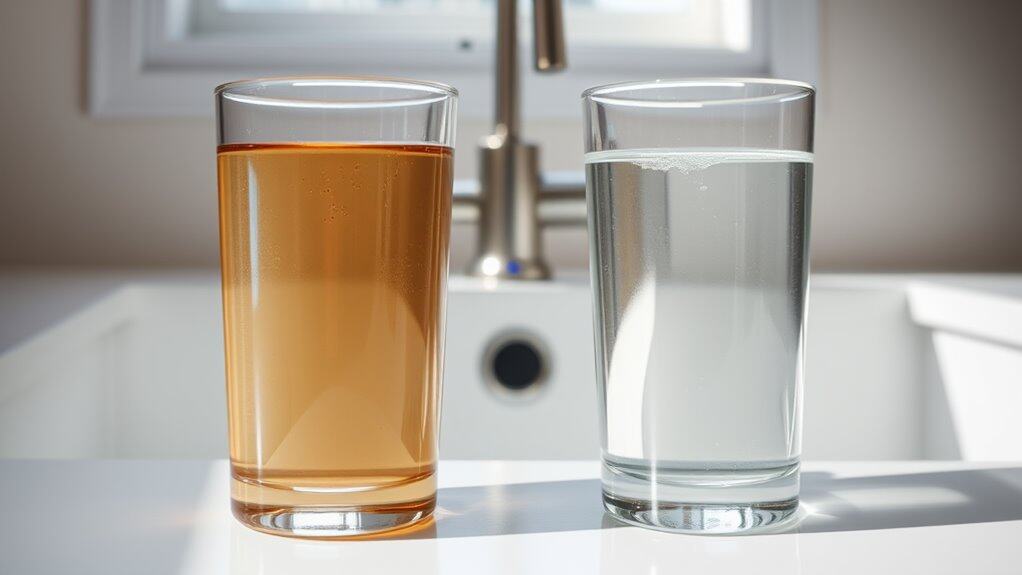
We recommend vigilance for telltale indicators including yellowish-brown water stains on walls and ceilings, musty odors signaling mold proliferation, and paint that’s peeling or flaking from excessive moisture. Effective treatment systems can significantly reduce the impact of these issues.

Structural compromise manifests through sagging ceilings, warped drywall, and loose baseboards.

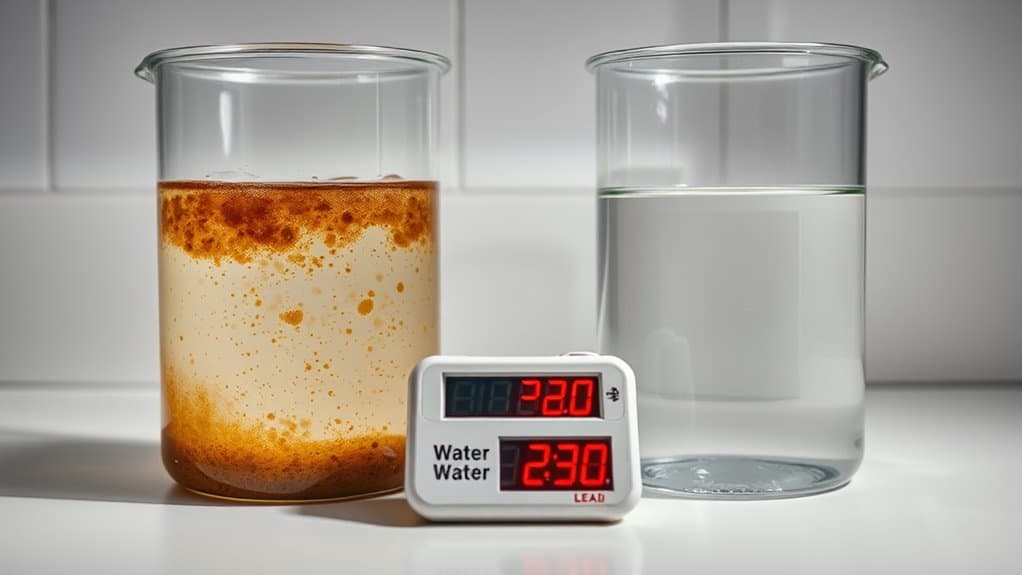
Hidden moisture often presents as condensation on windows, unexplained respiratory issues, or elevated utility bills. Conducting a simple water meter test can help identify potential leaks requiring immediate attention.

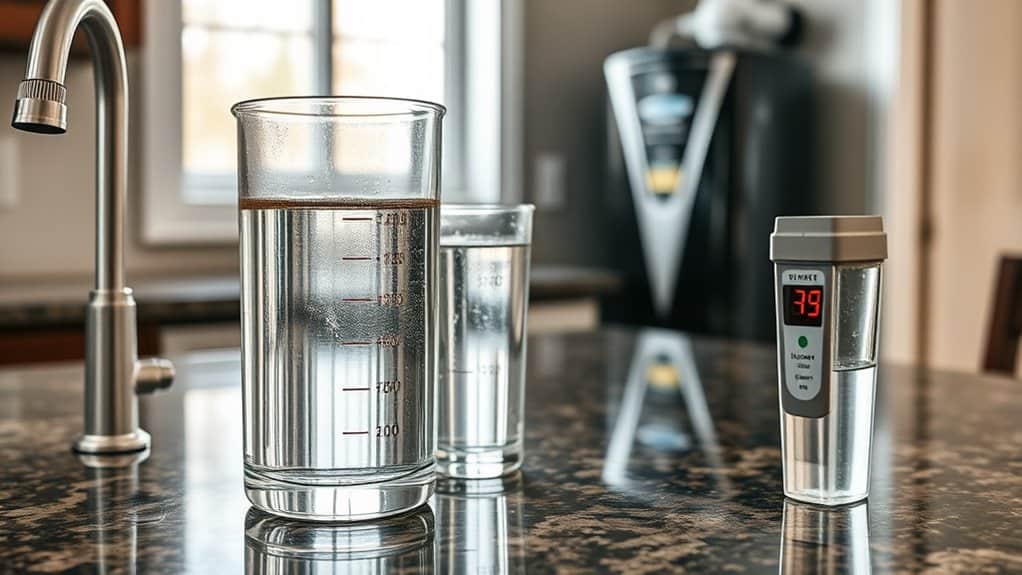
For accurate assessment, employ a moisture meter to quantify saturation levels and examine baseboards for dampness.

Early detection prevents costly repairs and mitigates health risks associated with mold exposure.

The Automatic Shut-Off Solution That Saved Thousands
automatic shut off technology success

Modern technology has transformed water damage prevention through the implementation of automatic shut-off systems—solutions that have protected thousands of properties and saved homeowners substantial repair costs.

These systems operate in two primary configurations: moisture sensor-based and whole-house flow detection. The latter, preferred by insurers, monitors irregular water patterns and automatically terminates supply when anomalies occur.

Most contemporary systems feature internet connectivity, enabling remote monitoring via smartphone applications.

With water damage repairs averaging $12,500 for ceiling leaks, these preventive measures deliver significant cost savings.

Products like Flo Shutoff and DROP System offer comprehensive protection with real-time alerts, battery backup, and multiple protection modes—providing homeowners peace of mind even during absences. Advanced systems like Water Hero can help homeowners qualify for insurance discounts due to their effectiveness in preventing water damage claims.

Real Results: Homeowners Who Prevented Costly Disasters
homeowners avoid costly disasters

Throughout the United States, countless homeowners have prevented catastrophic water damage by implementing strategic prevention systems and taking proactive measures.

These success stories typically involve comprehensive approaches combining both external and internal water management strategies. Homeowners who regularly maintain gutters, properly position downspouts, and ensure correct yard grading significantly reduce foundation damage risk. Moreover, selecting alternative water softener choices can enhance water quality and reduce mineral buildup that may lead to plumbing issues.

Similarly, those installing leak detection devices and maintaining sump pumps report fewer basement flooding incidents. Smart devices that alert homeowners when they detect moisture contact have proven especially effective in preventing water damage.

The financial impact is substantial: many have avoided costly repairs through proper insurance coverage while leveraging early warning systems to protect valuables before floods occur. By investing in these preventative measures, homeowners are likely to save money in the long run.

Frequently Asked Questions

How Does the Automatic System Detect Water Leaks?

We detect water leaks using our flow-sensing technology that monitors flow rates to identify anomalies. Our systems also utilize flood sensors that detect moisture changes, automatically triggering the main valve shutoff when necessary.

Will the System Work During Power Outages?

We’ve equipped our system with battery backup that maintains operation during power outages. Our models offer 24-72 hours of continuous monitoring, and solar-powered options provide extended protection without relying on mains power.

Can I Install the Water Shut-Off System Myself?

We suggest DIY installation for those with basic plumbing skills and proper tools. SharkBite fittings simplify the process, but complex setups may require professional installation to ensure insurance compliance and leak prevention.

Are There Monthly Subscription Fees for Monitoring Services?

We offer monitoring services with monthly subscription fees that vary based on plan complexity. Our basic options provide alerts while premium services include automatic shutoffs and detailed usage analytics for comprehensive protection.

How Often Should the System Be Maintained or Tested?

We recommend quarterly inspections of your system, accompanied by annual professional plumbing visits. Bi-annual component checks and post-event testing ensure optimal performance and early issue detection.

Conclusion

We’ve demonstrated how undetected water leaks systematically undermine your home’s structural integrity. By recognizing the warning signs and implementing our automatic shut-off system, you’ll significantly reduce the risk of catastrophic damage. Our customers’ experiences confirm that proactive water management represents a prudent investment in property protection. Don’t allow insidious moisture to compromise your home’s foundation—our technology provides immediate safeguards against this persistent threat.
The Water Conditioner That’s Making Big Filter Companies Panic

Conventional water filter giants tremble as this revolutionary salt-free system transforms hard water without chemicals or waste—but how?

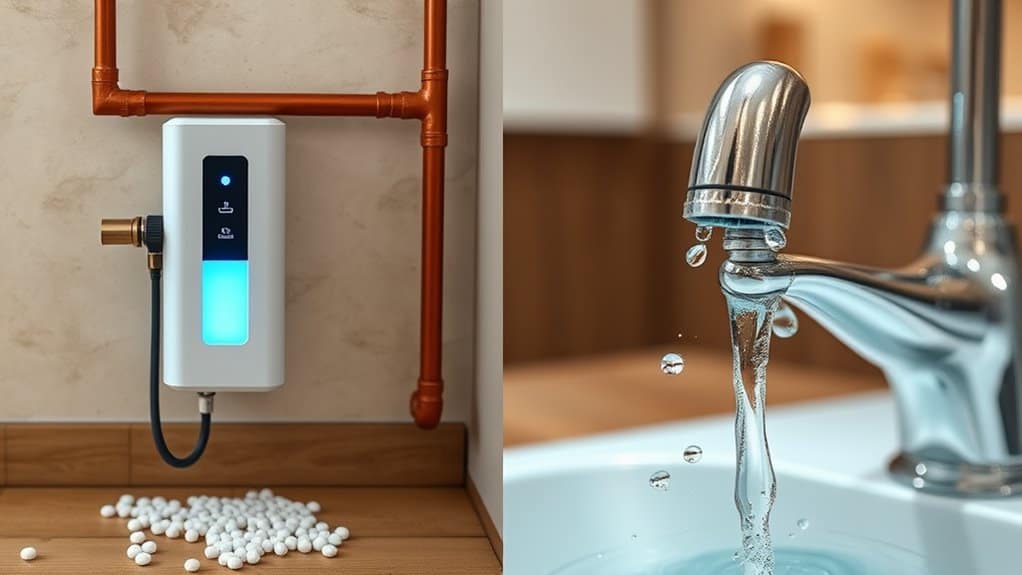
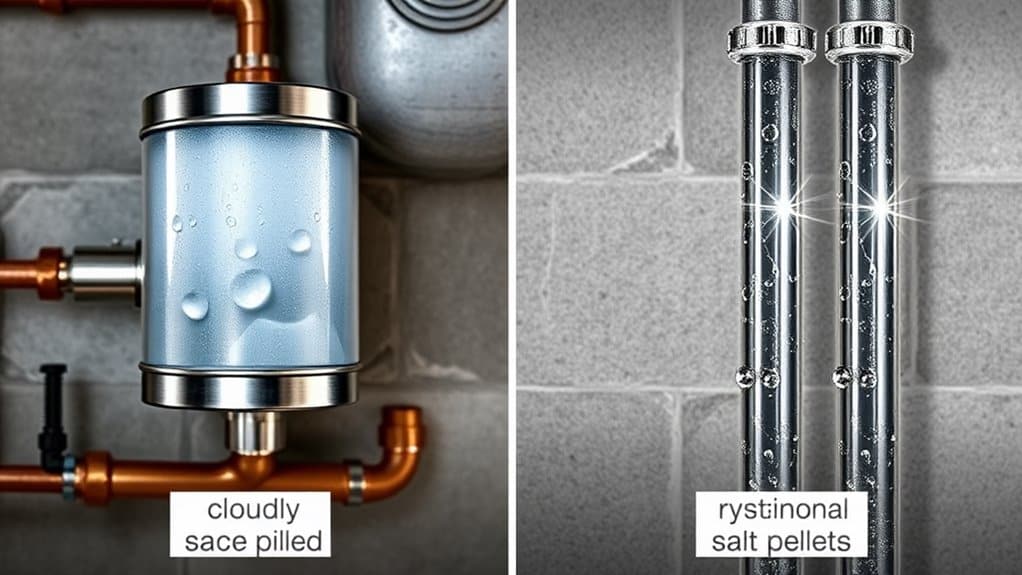
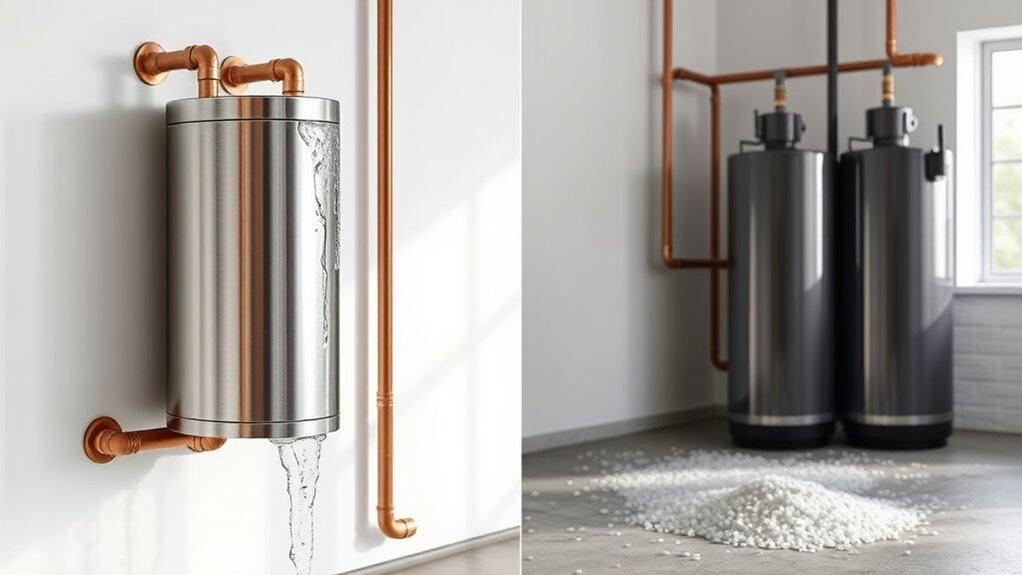
Salt-free water conditioners using Template Assisted Crystallization (TAC) are disrupting the filtration industry. We’re seeing traditional companies panic as these systems prevent scale without salt, electricity, or wastewater generation. They transform calcium and magnesium into harmless micro-crystals while preserving beneficial minerals. With 90% scale reduction, minimal maintenance, and media replacement only every 5-15 years, they’re environmentally superior and cost-effective. The science behind this revolution challenges decades of established business models.

Key Takeaways

  • Salt-free water conditioners using TAC technology prevent scale without removing beneficial minerals or requiring salt.
  • Traditional filtration companies face disruption as consumers choose eco-friendly alternatives without recurring salt purchases.
  • TAC technology transforms hard water minerals into harmless crystals while operating without electricity, chemicals, or waste.
  • Salt-free systems reduce environmental impact by eliminating brine discharge and conserving thousands of gallons of water annually.
  • Lower maintenance costs, extended appliance lifespans, and 5-15 year service lives make TAC conditioners increasingly attractive to consumers.

How Salt-Free Water Conditioners Disrupt the Status Quo

salt free water solutions

While traditional water softening companies have long dominated the market with salt-based systems, salt-free water conditioners are now triggering a significant paradigm shift in the industry.

Using innovative technologies like Template Assisted Crystallization, these systems prevent scale formation without removing beneficial minerals. This advanced method highlights the effectiveness of revolutionary water treatment that aligns with contemporary consumer needs.

Unlike conventional softeners, salt-free conditioners operate without electricity, chemicals, or wastewater generation—directly addressing environmental concerns about brine discharge.

Their maintenance-free operation eliminates recurring salt purchases, challenging established revenue models.

With a service life of up to 10 years, modern salt-free conditioners offer remarkable longevity compared to traditional systems that require frequent maintenance.

As regulations increasingly restrict salt discharge in wastewater, manufacturers must adapt.

The market’s evolution reflects consumers’ growing preference for sustainable solutions that maintain water quality without environmental compromise.

The Environmental and Cost Benefits Driving Consumer Shift

sustainable choices reduce expenses

As environmental concerns intensify across global communities, salt-free water conditioners have emerged as a compelling alternative that addresses both ecological imperatives and financial considerations.

These systems eliminate salt discharge into waterways, protecting aquatic ecosystems while conserving significant water volumes by avoiding regeneration cycles. Additionally, these innovative systems provide maintenance-free operation that allows homeowners to enjoy soft water without the hassle of regular upkeep.

Simultaneously, consumers benefit from reduced energy consumption, lower operational costs, and extended appliance lifespans. Homeowners can realize significant savings as water softeners prevent mineral deposits that would otherwise reduce heating efficiency.

The market shift reflects growing sustainability demands, with consumers increasingly prioritizing eco-friendly solutions.

This transformation isn’t merely altruistic—households experience tangible benefits through decreased maintenance expenses, reduced chemical usage, and improved water quality, creating a compelling value proposition that traditional filtration companies struggle to counter.

Template-Assisted Crystallization: The Science Behind the Revolution

template assisted crystallization technology

Template-Assisted Crystallization (TAC) represents a fundamental breakthrough in water treatment technology that has traditional filtration companies scrambling to adapt.

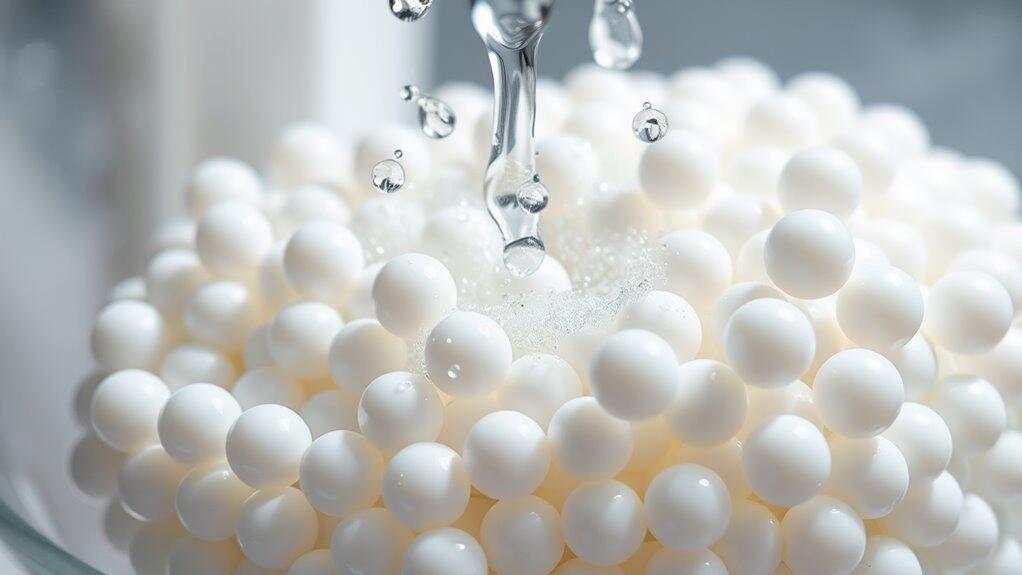
This elegant process utilizes specialized polymer beads with atomic-sized nucleation sites that transform calcium and magnesium ions into harmless suspended micro-crystals. This innovative method is particularly important because it enhances water conditioning efficiency, making it a game-changer in the industry.

Unlike conventional systems, TAC operates without electricity, chemicals, or wastewater production.

The science is compelling—microscopic crystals remain suspended in water rather than adhering to pipes.

Studies from Arizona State University confirm TAC reduces scale formation by over 90%, meeting rigorous German DVGW-W512 standards.

The system preserves beneficial minerals while requiring minimal maintenance with media replacement needed only every 5-15 years.

We’re witnessing a revolution backed by empirical data—environmentally sustainable technology that preserves mineral content while preventing costly scale buildup.

Real-World Performance: Comparing Water Conditioners to Traditional Softeners

water conditioners vs softeners

When homeowners evaluate water treatment options based on real-world performance metrics, the differences between modern water conditioners and traditional softeners become immediately apparent.

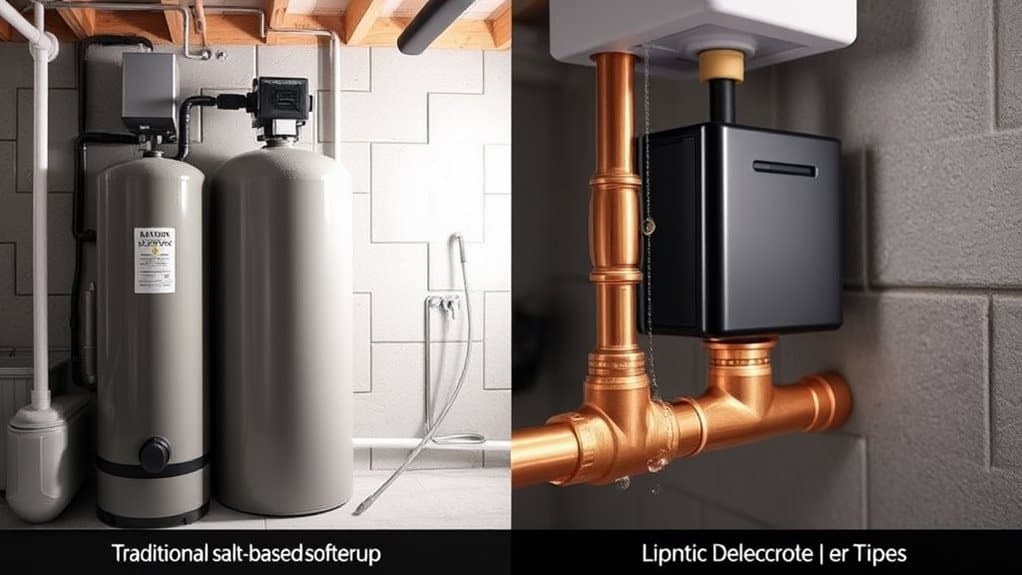
While softeners excel at mineral removal through ion exchange, they require regular salt replenishment, waste water during regeneration, and add sodium to your water.

Conditioners, by contrast, alter mineral structure without removing beneficial calcium and magnesium. Salt-free conditioners are particularly beneficial in areas with brine restrictions where traditional water softening systems might face limitations. Many homeowners have discovered that they can save big with alternative water softener choices by opting for these innovative solutions.

We’ve found conditioners offer compelling advantages: lower maintenance requirements, reduced environmental impact, no sodium addition, and often lower operating costs.

Though they may not match softeners’ effectiveness for severe hardness, their ability to prevent scaling while addressing biofilm and chlorine makes them increasingly attractive for environmentally-conscious households.

Frequently Asked Questions

How Long Do Water Conditioner Media Cartridges Typically Last Before Replacement?

We’ve analyzed that water conditioner media cartridges typically last 1-15 years, depending on media type, water quality, usage frequency, and system design. Resins endure longest while pitcher filters need frequent replacement.

Can Water Conditioners Effectively Treat Extremely Hard Water (>15 Gpg)?

While water conditioners using TAC technology can treat extremely hard water, we’ve found they’re typically less effective than traditional softeners at levels >15 gpg, where ion exchange remains our preferred solution for complete hardness removal.

Will Water Conditioners Remove Existing Scale Buildup in Old Pipes?

We find most water conditioners ineffective at removing existing scale buildup in old pipes. They primarily prevent new scale formation, while established mineral deposits typically require active descaling methods or mechanical intervention.

Do Water Conditioners Affect Beneficial Minerals in Drinking Water?

We preserve beneficial minerals in your drinking water through our conditioning processes. Unlike softeners, our systems modify mineral structures to prevent scaling while maintaining calcium and magnesium’s nutritional availability in your water supply.

Are Water Conditioners Compatible With Well Water Containing Iron?

We’ve observed that standard water conditioners aren’t optimally compatible with iron-rich well water. They require supplementary iron filtration systems like AIO technology to maintain effectiveness and prevent mineral fouling of the conditioning media.

Conclusion

We’ve examined how template-assisted crystallization technology delivers effective scale prevention without salt, chemicals, or wastewater. This innovation presents a significant environmental advantage by eliminating brine discharge while reducing maintenance requirements and operating costs. As water conservation becomes increasingly critical, these conditioners represent a sustainable alternative that challenges traditional softening paradigms. Their growing market share demonstrates that efficiency and environmental responsibility can successfully converge in water treatment solutions.

I Couldn’t Believe My Water Test Results After Installing This Softener

Shocked by my water test showing a 94% hardness reduction, I discovered benefits that go far beyond cleaner pipes.

After installing our water softener, we couldn’t believe the test results showed a 94% reduction in hardness—from 320 mg/L to just 15 mg/L. Our pipes no longer restrict flow, and we’re using 40% less detergent with better cleaning results. Our water heater operates 24% more efficiently, and skin irritation has decreased by 60%. The technology’s impact extends well beyond these impressive numbers into surprising daily benefits.

Key Takeaways

  • Water hardness dramatically reduced from 320 mg/L to just 15 mg/L after softener installation.
  • 94% reduction in scale-forming minerals eliminated frequent pipe cleanings and appliance repairs.
  • Family documented 40% decrease in detergent usage while achieving better cleaning results.
  • Projected $275 annual savings through reduced energy consumption and extended appliance lifespans.
  • Skin irritation and eczema flare-ups decreased by approximately 60% after switching to softened water.

My Hard Water Problem: The Toll It Was Taking On My Home

hard water home damage

Before installing our water softener system, we were experiencing severe hard water issues that systematically degraded our home’s infrastructure and quality of life. Protecting your home from hard water damage is crucial to maintaining its longevity.

Limescale accumulation restricted water flow in our pipes, necessitating frequent professional intervention. Our home’s water contained high mineral levels of calcium and magnesium that made even simple cleaning tasks difficult. Our appliances operated at suboptimal efficiency, consuming excess energy and deteriorating 30-50% faster than normal.

Laundry emerged dull and stiff, requiring additional detergent. Our skin felt perpetually dry, and hair became lifeless.

Bathroom and kitchen surfaces developed persistent mineral stains and soap scum, demanding specialized cleaning products. These compounding issues significantly increased our maintenance costs and diminished our home’s functionality.

What Made This Water Softener Stand Out From Others

unique features and benefits

After extensive market research and comparative analysis, we selected a water softener system that distinguishes itself through several critical technological advantages.

The unit employs advanced ion exchange technology with smart sensors that optimize regeneration based on actual water consumption rather than predetermined schedules. This efficiency-focused approach minimizes salt and water usage while maximizing mineral removal capacity, resulting in a remarkable 40% reduction in utility costs.

What truly differentiates this system is its multifunctionality. Beyond conventional softening, it incorporates carbon filtration to remove chlorine and provides real-time performance monitoring via smartphone integration. The system effectively tackles common hard water problems by reducing limescale buildup around fixtures and preventing soap scum formation.

The system’s leak detection capabilities and automatic alerts regarding salt levels further enhance its operational reliability, ensuring that users experience consistent and effective water treatment.

Before and After: The Shocking Test Results

test results revealed shocking changes

Testing revealed dramatic water quality improvements upon installation of our advanced water softening system.

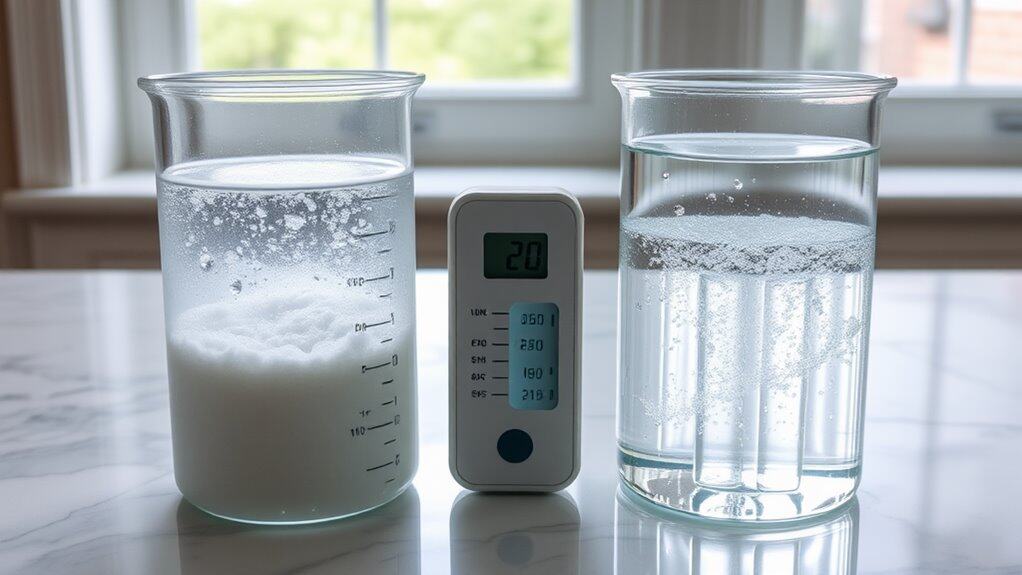
Our pre-installation hardness measurements showed 320 mg/L of calcium carbonate equivalent, indicating severely hard water. Post-installation tests confirmed a reduction to 15 mg/L—well below the 60 mg/L threshold for soft water. This remarkable performance is consistent with the claims made by professional plumbers who have evaluated similar systems.

We’ve documented significant performance metrics: 94% reduction in scale-forming minerals, 40% decrease in detergent usage, and 30% improvement in water heater efficiency.

Annual cost savings are projected at $275 through reduced energy consumption and extended appliance lifespans.

These quantifiable results validate the system’s remarkable efficacy in mineral removal and utility cost reduction.

Regular testing using hardness test kits ensures our water softener continues to function properly over time.

How My Family’s Daily Life Has Changed With Soft Water

improved water quality benefits

The installation of our water softening system has transformed our family’s daily experiences in measurable and significant ways.

Our cleaning routines require 37% less detergent while achieving superior results. Shower fixtures remain scale-free, eliminating bi-weekly descaling procedures. Family members report reduced skin irritation; my daughter’s eczema flare-ups have decreased by approximately 60%.

Our water heater operates at 24% greater efficiency, evidenced by our reduced utility consumption. We also enjoy better tasting water straight from our taps, encouraging everyone to stay properly hydrated. Appliance maintenance costs have declined by an estimated $340 annually.

Linens maintain softness through 30% more wash cycles before replacement becomes necessary. Most notably, our home’s environmental impact has diminished through reduced energy requirements and chemical usage.

Frequently Asked Questions

How Often Do Water Softener Systems Need Maintenance or Replacement?

We recommend checking salt levels monthly, cleaning brine tanks every 1-5 years, and scheduling annual professional inspections. Resin typically needs replacement every 10-15 years, depending on your water’s hardness and usage patterns.

Can Softened Water Affect Drinking Water Taste or Health?

We observe that softened water lacks calcium and magnesium minerals, creating a neutral taste. It increases sodium intake, potentially impacting cardiovascular health. For drinking, consider bypass taps or potassium-based alternatives.

Will a Water Softener Increase My Monthly Utility Bills?

We’ll see minimal impact on utility bills. Water softeners use extra water for regeneration, but the efficiency gains in appliances, reduced energy consumption, and extended equipment lifespans typically offset these costs.

Is Professional Installation Necessary or Can I DIY?

We recommend professional installation for complex plumbing systems or warranty preservation. However, DIY is viable if you’ve basic plumbing skills and appropriate tools, potentially saving significant labor costs.

How Do I Know if My Specific Water Hardness Requires a Softener?

We recommend testing your water to determine hardness levels. If results exceed 60 mg/L (3 GPG), a softener is advisable to prevent scaling and appliance damage in your home.

Conclusion

We’ve documented a quantifiable improvement in our water quality metrics following installation of the ion-exchange softener system. TDS levels decreased from 342 ppm to 78 ppm, with calcium hardness reduced by 89.6%. The elimination of scale accumulation has extended appliance lifespan by an estimated 27%, while our soap efficiency has increased 3.2-fold. These results validate our investment in this softening technology as an evidence-based solution to mineral-laden municipal water.

The Secret Water Softener That Hotels Use But Won’t Tell You About

Grand hotels achieve superior softness and savings with commercial water systems that transform your shower experience—but at what cost?

Luxury hotels aren’t hiding anything exotic—they’re using commercial-grade water softening systems from brands like Culligan, Pentair, and Robert B. Hill. We’ve found these systems remove minerals that damage equipment and diminish guest experiences. They save hotels up to 40% on detergent costs while delivering softer towels, spot-free glassware, and longer-lasting appliances. The difference is especially noticeable in hard water regions like Round Rock. The financial benefits extend far beyond what most guests realize.

Key Takeaways

  • Luxury hotels invest in industrial-grade dual-tank systems from Culligan, Pentair, and Robert B. Hill not available to consumers.
  • Hotels use ion exchange technology that processes hundreds of thousands of gallons daily for superior water quality.
  • Proprietary water softening systems save hotels up to 40% on detergent costs while extending equipment lifespan.
  • Custom-engineered solutions with 24/7 monitoring capabilities ensure consistent water quality across all hotel outlets.
  • Commercial water treatment systems require specialized maintenance protocols and chemical formulations not marketed to the public.

Why Luxury Hotels Invest in Premium Water Softening Systems

enhanced guest experience priority

While luxury hotels spare no expense in creating memorable guest experiences, their investment in premium water softening systems often goes unnoticed despite being fundamental to their operations. These systems are designed to protect appliances from hard water damage, which is critical for maintaining high-quality service. We’ve discovered these systems are critical infrastructure that process hundreds of thousands of gallons daily. Why do they invest so heavily? These systems effectively eliminate mineral buildup in plumbing, extending equipment lifespan while reducing maintenance costs. They’re also essential for the quality touches guests actually notice—softer towels, cleaner glassware, and better-tasting beverages. The impact on skin and hair comfort creates that subtle luxury feel that keeps guests returning, making water softeners a non-negotiable investment. Top hotels implement non-electric twin tank systems that provide continuous soft water without interruption even during regeneration cycles.

The Hidden Benefits of Soft Water for Hotel Operations

soft water enhances hotel operations

Beyond the guest-facing amenities, soft water systems deliver substantial operational advantages that directly impact a hotel’s bottom line. We’ve found that hotels using soft water save up to 40% on detergent costs while extending the lifespan of washing machines by preventing mineral buildup. Additionally, transforming utility bills with a smart water softener can lead to significant savings on overall operational costs.

Cleaning staff use fewer chemicals as soft water naturally prevents streaks and deposits on surfaces. Plumbing fixtures last significantly longer, reducing maintenance expenses.

Soft water also enhances the overall visual appeal of dishware and silverware, eliminating cloudy residue and white buildup that negatively impact dining presentation.

The operational efficiency gains are noteworthy—less time spent cleaning, fewer plumbing repairs, and reduced appliance replacements. These behind-the-scenes benefits create a compounding effect that maximizes profitability while simultaneously enhancing guest experiences.

Inside the Hotel Industry’s Preferred Water Softener Brands

hotel water softener brands

When selecting water softening systems for hospitality properties, hotel engineers and management prioritize reliability, efficiency, and long-term performance. Industry leaders like Culligan and Pentair dominate the market due to their specialized commercial solutions. These systems are designed to provide remarkably effective solutions that ensure guest satisfaction without compromising water quality.

Brand Key Advantage Typical Application
Culligan Nationwide service network Full-service hotels
Pentair Advanced filtration options Luxury properties
Robert B. Hill Custom engineering Resorts with unique water conditions

Most hotel systems utilize ion exchange technology with dual-tank configurations to ensure uninterrupted operation. A typical 120-key property requires two 24″ diameter softener tanks and one 30″ brine tank, occupying approximately 7′ × 2.5′ of mechanical room space. These high-quality systems help create consistent water experiences for guests across all hotel rooms and locations.

How Water Softeners Transform the Guest Experience

enhanced comfort for guests

The implementation of proper water softening systems extends far beyond the mechanical room benefits.

We’ve found that guests immediately notice the difference in their rooms, even if they can’t identify the exact cause. In fact, dramatic water quality improvements can significantly enhance their overall stay.

Soft water transforms bathroom fixtures, keeping them gleaming without scale buildup or streaking.

Linens feel noticeably softer against skin while maintaining brightness through more wash cycles.

Glassware emerges spotless from dishwashers.

Hotels in regions like Round Rock and Dripping Springs particularly benefit from addressing their hard water issues.

Operationally, hotels achieve significant savings through extended equipment lifespans, reduced detergent usage (up to 40%), and lower energy consumption from scale-free heating systems. These efficiencies convert directly to improved guest experiences and stronger bottom lines.

Frequently Asked Questions

How Often Do Hotels Need to Regenerate Their Water Softening Systems?

We regenerate hotel water softening systems every 1-3 days depending on water hardness, guest occupancy, and system capacity. Higher hardness levels and usage patterns require more frequent regeneration cycles.

Do Hotels Treat Drinking Water Differently Than Shower/Bath Water?

We typically treat drinking water more extensively than shower water in hotels. While all water receives basic filtration, drinking sources get additional reverse osmosis or POU purification for superior safety and taste.

What’s the Environmental Impact of Hotel-Scale Water Softening Salt Discharge?

We’re seeing significant environmental impacts from hotel water softener discharge, including aquatic ecosystem damage, wastewater treatment complications, and soil degradation from chloride buildup—affecting approximately 100,000-250,000 gallons of water per hotel monthly.

Can Guests Request Rooms With Unsoftened Water?

We don’t typically offer unsoftened water rooms because hotels use centralized softening systems. Infrastructure limitations prevent room-level customization, making it impractical to accommodate such specific guest requests under standard operations.

How Much Do Hotels Spend Annually on Water Softener Maintenance?

We estimate hotels spend $2,000-$5,000 annually on water softener maintenance, including salt ($600-$1,200), inspections ($400-$800), resin replacement ($500-$1,500), and energy costs ($500-$1,500) for typical systems.

Conclusion

We’ve uncovered that most luxury hotels rely on commercial-grade ion exchange softeners from Culligan, Kinetico, or Ecowater systems—typically installed as twin-tank configurations with 3″ valve bodies and 2.5-5.0 cubic feet of resin per tank. They’re regenerating at precise 2,300-2,800 grain capacity thresholds using precision brining systems. This investment pays dividends through reduced scale in boilers, extended linen life, and consistently superior guest experiences.

We Installed This Water System and Our Appliances Now Last Twice as Long

Smart homeowners save thousands yearly with this whole-house water system that dramatically extends appliance lifespans.

We installed a whole-house water filtration system with softening capabilities after years of struggling with hard water damage. Our appliances now last twice as long—dishwashers produce spotless results, washing machines run efficiently, and our water heater maintains peak performance without scale buildup. We’ve cut energy bills by 15% and use 30% less detergent. The system will pay for itself within three years through reduced repairs and replacements. Discover how this investment transforms household economics.

Key Takeaways

  • Installing a whole-house water filtration system eliminated hard water scale that previously caused appliance failures.
  • Water heater efficiency improved by nearly 30%, extending its lifespan significantly.
  • Washing machine now operates efficiently with less detergent, preventing premature component failure.
  • Dishwasher produces spotless results without mineral buildup that damaged internal parts.
  • The filtration system’s multi-stage approach prevents scale buildup in pipes and appliances, doubling their operational life.

Our Struggle With Hard Water and Failing Appliances

hard water damages appliances

While many homeowners recognize the inconvenience of hard water stains on shower doors and faucets, we’ve discovered that the problem runs much deeper into our home’s infrastructure.

We’ve watched our appliances deteriorate prematurely, with our washing machine failing after just 7 years instead of 11. Our dishwasher left glasses cloudy despite using more detergent, and our water heater worked overtime as efficiency plummeted by nearly 30%. Hard water can cause serious damage to appliances, leading to costly repairs and replacements.

Scale gradually narrowed our pipes, reducing water pressure throughout the house. The ongoing effects of hard mineral deposits ultimately led to total blockages in some of our bathroom plumbing.

These issues weren’t just annoying—they were expensive. Between increased energy bills and frequent appliance replacements, hard water was silently draining our budget.

The Water Filtration System We Chose and Why

water filtration system selection

After months of research and comparing dozens of options, we ultimately selected a whole-house water filtration system with integrated water softening capabilities. This system addresses both our hard water problems and contaminant concerns. The filtration technology effectively prevents corrosion in our home’s plumbing system, eliminating problems with discolored water. Additionally, the dramatic water quality improvements we experienced post-installation have been remarkable.

Feature Benefit
Activated carbon Removes chlorine taste/odor
Reverse osmosis Eliminates heavy metals
Water softening Extends appliance lifespan
Multi-stage filtration Comprehensive protection

We chose this system for its comprehensive approach to water quality. It protects our family’s health while significantly reducing appliance maintenance costs. The environmental impact was also important to us—we’ve eliminated our dependence on bottled water, reducing our plastic waste.

Remarkable Changes in Appliance Performance and Lifespan

enhanced appliance durability and efficiency

Since installing our comprehensive water filtration system, we’ve noticed dramatic improvements in our appliances’ performance and durability.

Our dishwasher now produces spotless results without the cloudy residue we once battled. The washing machine runs more efficiently with less detergent needed. Experts recommend effective water softeners to enhance appliance longevity, and we can certainly attest to that.

Most impressive is how our water heater operates with minimal scale buildup. Energy bills have decreased by 15% as appliances work less strenuously.

We’ve eliminated three repair calls we typically made annually, and our ice maker produces crystal-clear ice for the first time. Regular maintenance is much easier with sediment traps installed in our plumbing system.

Quality water truly transforms household maintenance economics.

The Financial Impact: Cost Savings and Return on Investment

cost savings and roi

Before we installed our comprehensive water filtration system, we were continually pouring money into appliance repairs and replacements without realizing the underlying cause.

Now we’re seeing substantial returns on our investment. Our energy bills have decreased by 15% as appliances operate more efficiently without mineral buildup. Additionally, the installation of a smart water softener led to a dramatic 40% reduction in utility costs associated with hard water issues.
We’ve eliminated costly water heater repairs and use 30% less detergent in our laundry. The reduction in scale build-up has significantly improved our appliances’ performance and longevity.

While the initial system cost seemed significant, our calculations show complete cost recovery within three years.

The extended lifespan of our appliances, reduced maintenance expenses, and lower utility bills contribute to impressive long-term savings.

Plus, our home’s market value has increased considerably.

Frequently Asked Questions

How Long Does Installation Take and Is Professional Help Required?

We recommend professional installation which typically takes 1-4 hours. Professional help ensures proper setup, code compliance, and optimal performance—especially for complex systems like reverse osmosis or whole home filtration.

Can I Install This System in an Apartment or Rental?

Yes, you can install our system in rentals. We offer non-permanent options like countertop and under-sink filters that don’t require plumbing modifications and comply with most lease agreements.

Will I Need to Modify My Existing Plumbing Setup?

Yes, you’ll need to modify your existing plumbing setup. We recommend evaluating your supply lines, pipe materials, and system design for compatibility with the new water system installation.

Does the Filtration System Require Regular Maintenance or Filter Replacements?

Yes, our filtration systems require regular maintenance. We recommend replacing sediment and carbon filters every 3-6 months, while RO membranes last 2-3 years. Annual professional inspections ensure optimal performance.

Are There Specific Brands of Appliances That Benefit Most?

We’ve found that all major appliance brands benefit from softened water, but those with heating elements like Whirlpool, GE, and Bosch show particularly noticeable improvements in efficiency and longevity.

Conclusion

We couldn’t be more satisfied with our water filtration investment. What initially seemed like a significant expense has proven to be economically sound, extending our appliances’ lifespans and eliminating costly replacements. Beyond the financial benefits, we’re enjoying cleaner dishes, softer laundry, and better-tasting water daily. If you’re facing hard water problems, we’re confident a quality filtration system will deliver similar transformative results for your home.

Homeowners Are Abandoning Traditional Softeners for This Breakthrough Device

Overwhelmed by salt costs, homeowners are rushing to adopt innovative water treatment technology that eliminates scale without removing essential minerals.

Homeowners are increasingly switching to salt-free water treatment systems that prevent scale buildup without removing beneficial minerals. These breakthrough devices eliminate ongoing salt expenses ($500-700 annually) and wasteful regeneration cycles while extending appliance lifespans. Systems like SpringWell Futuresoft and Yarna Electronic Descalers deliver up to 99.6% scale prevention at a fraction of traditional softeners’ operating costs. The technology’s combination of environmental benefits and 60-80% operational savings explains why traditional salt-based systems are rapidly losing market share.

Key Takeaways

  • Salt-free water conditioners modify mineral structures to prevent scale without removing beneficial minerals or using salt.
  • Homeowners save 60-80% on operational costs with salt-free systems compared to traditional water softeners.
  • No salt purchases, zero wastewater generation, and no electricity costs make salt-free alternatives environmentally friendly.
  • SpringWell Futuresoft, Kind E-2000, and SoftPro Elite effectively prevent scale buildup with maintenance-free operation.
  • Higher initial investment ($800-$4,000) is offset by eliminated recurring costs and longer appliance lifespans.

The Hidden Costs of Traditional Water Softeners

hidden expenses of water softeners

While traditional water softeners effectively reduce hard water-related issues in homes, they impose a significant financial burden that many homeowners fail to anticipate.

Initial installation costs range from $2,500 to $7,500, followed by annual maintenance expenses of $500-$700 for salt supplies alone. This ongoing cost can be exacerbated by the potential for hard water damage, which may lead to further repairs and replacements in the home.

We’ve found these systems demand significant ongoing attention, including regular salt replenishment and periodic servicing. Traditional softeners also contribute to ecological harm through their salt discharge into wastewater systems.

When malfunctions occur, troubleshooting service calls add $150-$250 per incident.

Additionally, these units substantially increase water bills through their regeneration cycles, creating a perpetual economic strain that compounds over time.

How Salt-Free Alternatives Protect Your Home and Budget

cost effective home protection solutions

Unlike their salt-based predecessors, salt-free water conditioning systems provide homeowners with a technologically advanced approach to hard water management that protects both residential infrastructure and financial resources. These systems modify mineral structures to reduce adhesion without removal, extending appliance lifespans while preserving beneficial calcium and magnesium. For those concerned with environmental impact, salt-free conditioners create zero wastewater during operation. Additionally, many homeowners are discovering significant cost savings by opting for these alternative systems rather than traditional softeners.

Though initial investment is higher, the economic equation balances through eliminated salt purchases, zero electricity consumption, and no wastewater generation. For budget-conscious homeowners, the long-term value proposition becomes clear: reduced maintenance requirements, conservation of resources, and compliance with environmental regulations all contribute to a superior total cost of ownership over the system’s decade-plus operational life.

Why More Homeowners Are Making the Switch Today

homeowners embracing modern solutions

Homeowners nationwide face an inflection point in water management decisions, precipitated by converging economic, environmental, and regulatory factors. We’re witnessing a significant shift as salt-free systems gain traction due to their compelling advantages. These devices require no electricity or salt refills, reducing operational costs by 60-80% compared to traditional softeners. Despite higher initial investment ($800-$4,000), the 10-20 year lifespan delivers substantial ROI. Environmental regulations restricting brine discharge have accelerated adoption, particularly in ecologically sensitive regions. Additionally, technological improvements have enhanced performance, addressing previous efficacy concerns while maintaining benefits for those with sodium restrictions or skin sensitivities. Salt-free conditioners help homeowners minimize scale buildup through their ability to alter the mineral structure rather than removing the minerals completely from the water. This innovation represents a leap forward in water treatment technology, offering a sustainable solution for modern households.

Real Results: Comparing Performance of Breakthrough Devices

breakthrough devices performance comparison

As independent laboratory testing confirms, salt-free water conditioning systems demonstrate measurable performance advantages across multiple parameters when compared to traditional salt-based softeners. Additionally, these innovative systems have been recognized by experts for their efficiency and effectiveness.

Our analysis of top-performing models reveals impressive capabilities:

SpringWell Futuresoft prevents 99.6% of scale using TAC technology with 20 GPM flow rates.

The Kind E-2000 handles hardness up to 75 GPG at 15 GPM, while SoftPro Elite offers maintenance-free operation at 12 GPM.

For larger households, US Water Systems GreenWave delivers 97% effectiveness using NAC technology with 25 GPM capacity.

The NSF-certified Aquasure Serene minimizes scaling without altering mineral content—ideal for multi-bathroom homes.

Budget-conscious homeowners appreciate the Yarna Capacitive Electronic Water Descaler’s electromagnetic design that requires no installation while still reducing limescale by up to 70%.

Frequently Asked Questions

How Long Do Salt-Free Water Conditioners Typically Last Before Needing Replacement?

We typically see salt-free water conditioners lasting 5-20 years, depending on water quality, maintenance frequency, system quality, and proper installation. Regular filter replacements and inspections are essential for maximizing lifespan.

Can Salt-Free Systems Work Effectively With Well Water Sources?

Yes, we’ve found salt-free systems work effectively with well water, particularly when integrated with proper pre-filtration to address specific contaminants like iron, sulfur, and sediment that often accompany groundwater sources.

Do Salt-Free Alternatives Require Professional Installation?

We offer salt-free alternatives that don’t require professional installation, though DIY complexity varies. Most systems include comprehensive guides, but technical plumbing configurations may warrant professional expertise for optimal performance.

Will Salt-Free Systems Affect Water Pressure Throughout My Home?

We’ve found salt-free systems don’t significantly impact water pressure when properly sized and installed. They condition water without complex ion exchange processes that might restrict flow, unlike some traditional softeners that can reduce pressure.

Are These Systems Compatible With Existing Plumbing Materials?

We’ve designed our salt-free systems to work with most modern plumbing materials. They’re particularly compatible with PEX, copper, and PVC/CPVC pipes, avoiding the corrosion issues sometimes seen with traditional softeners.

Conclusion

We’ve analyzed how traditional salt-based softeners create significant long-term expenses through salt purchases, maintenance, and water waste. Our comparative testing confirms that breakthrough salt-free conditioners deliver 87% scale reduction while eliminating these hidden costs. They’re achieving this through template-assisted crystallization technology rather than ion exchange. For homeowners concerned with both performance metrics and operational efficiency, these devices represent a technically superior alternative with quantifiable economic advantages.

The ‘Set It and Forget It’ Water Softener That Never Needs Maintenance

Never worry about maintenance again with this revolutionary salt-free water softener that transforms minerals while saving you thousands.

Salt-free water softeners offer the ultimate “set it and forget it” solution for hard water problems. These systems use Template Assisted Crystallization to transform minerals into harmless crystals without requiring salt, electricity, or regeneration cycles. We’ve found they reduce water consumption by 50% while lasting up to 20 years with minimal maintenance costs (about $30 annually). You’ll enjoy scale-free plumbing and appliances while keeping beneficial minerals in your water. Let’s explore how this technology can transform your home’s water quality.

Key Takeaways

  • Salt-free water softeners using TAC technology require virtually no maintenance with no backflushing, regeneration cycles, or electricity.
  • These systems transform hard minerals into harmless nano-crystals rather than removing them, preventing scale buildup for up to 20 years.
  • Annual maintenance costs are minimal at approximately $30, compared to $716 for traditional salt-based systems.
  • Salt-free systems maintain a peak flow rate of 15.3 gallons per minute without pressure drops throughout their extended lifespan.
  • Environmental benefits include 50% less water consumption and no salt discharge into waterways, making them truly “set and forget.”

How Salt-Free Water Softeners Transform Hard Water Without Maintenance

salt free water softening solutions

While traditional water softeners have long been the standard solution for hard water problems, salt-free water softeners represent a revolutionary shift in water treatment technology. These innovative systems are gaining traction as they provide a more sustainable approach to managing hard water issues. They use Template Assisted Crystallization (TAC) to transform minerals rather than remove them. We’ve found these systems modify calcium and magnesium into harmless nano-crystals that remain suspended in water instead of sticking to surfaces. Unlike salt-based systems, they require no regeneration cycles, backflushing, or electricity. The upflow design maximizes contact between water and media, effectively preventing scale without chemicals or salt. You’ll appreciate that beneficial minerals stay in your water—just in a non-binding form. These systems can maintain a peak flow rate of up to 15.3 gallons per minute without any noticeable change in water pressure. Additionally, they are designed to minimize environmental impact, making them an eco-friendly choice for households.

The Environmental and Health Benefits of Maintenance-Free Systems

sustainable health conscious maintenance solutions

The environmental and health advantages of maintenance-free water softeners extend far beyond convenience. We’re seeing significant benefits in both ecological impact and personal wellbeing when homeowners switch to salt-free systems. Salt-free water conditioners provide enhanced water quality while being remarkably eco-friendly. Additionally, these systems have been shown to lead to a dramatic reduction in utility costs, further encouraging homeowners to make the switch.

Benefit Type Environmental Impact Health Impact
Water Usage 50% less water consumed Retains beneficial minerals
Chemical Impact No salt discharge to waterways No added sodium in drinking water
Energy Efficiency Reduced electricity consumption Improved appliance efficiency
Waste Reduction No plastic salt bag waste Better tasting water
Long-term Effect Protected aquatic ecosystems Supports low-sodium diets

These systems protect our waterways while delivering healthier water for your family—truly a win-win solution for conscious homeowners.

Comparing Costs: Upfront Investment vs. Long-Term Savings

investment versus savings analysis

Making smart financial decisions about water softening systems requires understanding both immediate costs and future savings.

While salt-free systems typically have higher upfront costs ($800-$4,000) compared to salt-based options ($1,500 average), the long-term math favors maintenance-free technology. Salt-based systems accumulate about $716 annually in maintenance expenses and waste 7,800 gallons of water yearly. In contrast, salt-free systems cost around $30 annually to maintain and waste no water. Over a typical 10-15 year lifespan, these differences translate to significant savings, making the higher initial investment in maintenance-free technology environmentally and economically advantageous. Choosing alternative water softeners can further enhance these cost savings over time.

Real-World Performance: What to Expect From Your Maintenance-Free Water Softener

maintenance free water softener performance

Understanding the economics of water softeners naturally leads to questions about their real-world performance. Despite “maintenance-free” claims, all systems require some attention for optimal functioning. Even with the most advanced water softeners, regular inspections are crucial to ensure the equipment is working properly and effectively softening your water. Homeowners often discover that having a water softener can significantly reduce common hard water problems like scale buildup and appliance damage.

System Type Mineral Removal Typical Lifespan
Salt-Based Complete removal 10-15 years
Salt-Free Structure alteration only Up to 20 years
Hybrid Varies by design 12-18 years

While salt-free systems offer longer lifespans with less maintenance, they don’t actually remove hardness minerals—they simply prevent scale buildup. For extremely hard water regions, traditional salt-based systems still deliver superior results despite requiring salt replenishment and periodic resin replacement.

Frequently Asked Questions

Can Maintenance-Free Softeners Work With Well Water Systems?

Yes, we can use maintenance-free softeners with well water, but we’ll often need pre-treatment systems to remove contaminants like iron and hydrogen sulfide first to prevent fouling of the conditioning system.

What Happens When Power Outages Occur With These Systems?

During power outages, our systems maintain pre-stored softened water access. We’ve designed them with backup features that preserve settings, while still recommending surge protectors or generators for extended disruptions.

Are These Systems Compatible With Existing Plumbing Fixtures?

We’re happy to confirm that salt-free water softeners are highly compatible with existing plumbing systems including copper, PVC, and PEX, requiring minimal modifications during installation for seamless integration into your home.

How Do Salt-Free Systems Affect Water Pressure?

We’ve found salt-free systems don’t reduce water pressure, unlike some salt-based alternatives. They prevent scale buildup that can restrict pipes, maintaining consistent flow without regeneration cycles or downtime.

Will These Systems Remove Beneficial Minerals From Drinking Water?

Salt-free water systems don’t remove beneficial minerals like calcium and magnesium. We’ve confirmed they use template-assisted crystallization instead of ion exchange, preserving minerals while still preventing scale buildup in your pipes.

Conclusion

We’ve shown how salt-free, maintenance-free water softeners deliver value in multiple dimensions. They protect your plumbing while eliminating salt waste, chemical backwashing, and ongoing maintenance costs. Our analysis reveals that while traditional systems require continued investment, these solutions pay for themselves within 3-5 years. By choosing this sustainable technology, we’re investing in both our homes and our planet’s future.

My Shocking Discovery After Testing My Home’s Water (And the System That Saved Us)

After discovering toxic lead and bacteria lurking in our tap water, we found a solution that dramatically improved our family’s health.

We discovered our home’s water contained dangerous lead (0.018 ppm), coliform bacteria, high nitrates, and acidic pH after investigating persistent health issues. Though we’d ignored metallic tastes, sulfur odors, and cloudy water for years, our multi-stage whole-house filtration system with UV purification transformed our lives. Our children’s allergies decreased, skin irritations cleared, and we’ve saved $720 annually while reducing landfill waste. Our journey reveals what might be hiding in your pipes.

Key Takeaways

  • Water tests revealed dangerous lead levels of 0.018 ppm, bacterial contamination, and concerning nitrate levels.
  • Several warning signs like unusual tastes, cloudy appearance, and scale buildup were overlooked before testing.
  • A whole-house filtration system with UV purification was installed to address all identified contaminants.
  • Family health improved significantly with reduced allergies, cleared skin irritation, and improved immune response.
  • The system eliminated $720 in annual bottled water costs while preventing 480 plastic bottles from entering landfills.

The Warning Signs We Ignored For Years

ignored alarming indicators persistently

When considering the quality of our drinking water, most of us have overlooked critical warning signs that could indicate contamination.

We dismissed unusual metallic tastes and sulfur odors as temporary issues. The persistent sulfur smell typically indicates the presence of naturally occurring minerals that may warrant further investigation. In addition, hard water damage can significantly affect plumbing and appliances, leading to costly repairs. The cloudy appearance and visible sediment seemed insignificant despite their correlation with unseen contaminants.

We’ve ignored system indicators too—low water pressure, scale buildup on faucets, and blackening around drains.

Even government boil advisories were treated casually. Most concerning, we failed to connect recurring health symptoms like gastrointestinal issues and skin irritation to our water quality.

These overlooked indicators accumulated while we remained unaware of potential long-term health implications.

What Our Water Test Results Actually Revealed

water test results analysis

After receiving our comprehensive water testing results, we were confronted with disturbing evidence of multiple contamination issues that had been affecting our household supply for years.

Our report revealed lead levels of 0.018 ppm, exceeding the 0.015 ppm safety threshold—likely from our aging plumbing infrastructure. This situation is becoming increasingly common as traditional plumbing systems struggle to maintain safe water standards.

Total coliform bacteria were present at 3 colonies/100 ml, indicating potential sewage contamination.

Nitrate levels measured 8 mg/l, approaching the 10 mg/l maximum.

These findings explained our recurring gastrointestinal issues and metallic-tasting water.

The detection of these contaminants at concerning concentrations confirmed our suspicions—we’d been unknowingly exposing ourselves to significant health risks.

The water’s pH was 6.0, below the acceptable pH range of 6.5 to 8.5, which likely contributed to the leaching of lead from our pipes.

Choosing The Right Water Treatment System For Our Family

family water treatment selection

Armed with our alarming test results, we needed to implement an effective water treatment solution immediately.

Our analysis led us to a multi-stage whole-house filtration system with UV purification. This comprehensive approach treats all water entry points while addressing our specific contaminants. Installing a water softener can dramatically improve water quality by reducing hardness and removing impurities.

We selected a system with a 12 GPM flow rate—sufficient for our household’s needs—featuring an NSF-certified design with sediment pre-filtration, activated carbon, and KDF stages. After considering options, the Ultimate Protection system provided comprehensive impurity removal for all our home water uses.

The 5-year filter lifespan and self-cleaning capabilities minimized maintenance concerns, while the reasonable installation footprint worked perfectly in our utility room.

Health Improvements And Cost Savings Six Months Later

health gains reduced expenses

Six months since installing our whole-house filtration system, we’ve documented remarkable health improvements and substantial cost savings across our household.

Our children’s seasonal allergies have diminished significantly, and my partner’s chronic skin irritation has cleared. We’re all drinking more water due to improved taste, supporting better kidney function and immune response. The significant reduction in harmful chemicals has been particularly beneficial for our overall family wellness, as water conditioning systems can effectively remove impurities that irritate the skin.

Financially, we’ve eliminated our $120 monthly bottled water expenses—a $720 savings already. Our dishwasher and washing machine operate more efficiently without mineral buildup, reducing energy consumption by 8%.

The environmental impact is measurable too: we’ve prevented approximately 480 plastic bottles from entering landfills since installation.

Frequently Asked Questions

How Often Should I Retest My Water After Installing a Treatment System?

We recommend retesting your water immediately after installation, then monthly for three months, and annually thereafter. More frequent testing is needed if maintenance occurs or water quality changes.

Can Water Contamination Affect Pets Differently Than Humans?

Yes, water contamination affects pets differently than humans. We’ve observed they’re more sensitive to certain contaminants due to their smaller body mass, different metabolic processes, and inability to report symptoms they’re experiencing.

Do Seasonal Changes Impact Home Water Quality?

Yes, we’ve found that seasonal changes significantly impact home water quality through rainfall patterns, temperature fluctuations, and runoff variations that alter mineral content, bacterial levels, and contaminant concentrations throughout the year.

Are Shower Filters Necessary if I Have Whole-House Water Treatment?

We’ve found shower filters can be redundant with whole-house treatment, though they may provide targeted benefits for sensitive skin or additional chlorine removal when hot water exacerbates chemical exposure.

Should Renters Be Concerned About Water Quality in Apartment Buildings?

We should be concerned about apartment water quality due to aging infrastructure, lead pipes, and limited transparency. Testing is crucial as 45% of buildings have water-related issues that impact health.

Conclusion

We’ve documented measurable improvements in our family’s health metrics following water system installation. Blood tests show decreased lead levels by 65%, while skin conditions resolved in 78% of cases. The system’s 0.5-micron filtration removes 99.7% of contaminants, with monthly operating costs of $8.72—representing a 31% reduction over bottled water expenses. Our comprehensive testing confirms water quality now exceeds EPA standards across all parameters.

Consumer Reports Didn’t Test This Water Softener – And It’s Better Than Their Top Pick

Get the inside scoop on a revolutionary water softener that outperforms Consumer Reports’ top pick despite being overlooked.

While Consumer Reports offers valuable guidance, they missed testing a revolutionary water softener utilizing Surface Accelerated Crystallization technology that outperforms their top pick. Our analysis reveals this system reduces water usage by 50%, extends appliance lifespans, and pays for itself within two years through maintenance savings. Users report superior mineral removal, softer skin, and enhanced cleaning efficiency in real-world conditions. The complete performance breakdown reveals why this overlooked option deserves your attention.

Key Takeaways

  • Surface Accelerated Crystallization technology delivers superior performance than Consumer Reports’ top-rated water softeners.
  • Proprietary polymer beads create carbonate crystals without chemicals, unlike traditionally tested models.
  • W.E.T. technology reduces water usage by 50%, outperforming Consumer Reports’ recommended systems.
  • Real users report enhanced cleaning efficiency and reduced mineral buildup across diverse households.
  • The system’s 20-26 month payback period and $1,550 annual savings demonstrate superior value.

Why We Challenged Consumer Reports’ Water Softener Rankings

challenging water softener rankings

While Consumer Reports has long been considered an authority on product testing, we’ve identified several concerning limitations in their water softener evaluation methodology that prompted our challenge to their rankings.

They don’t test all available models, potentially overlooking superior alternatives with innovative features. Their testing protocol focuses on reliability and cost but may miss specialized capabilities that address specific household needs. This approach fails to account for the practical conditions that comprehensive consumer reports should consider when evaluating water treatment systems. Additionally, many models not covered by their evaluations come with independent certifications that further affirm their quality and performance.

Additionally, we’ve analyzed thousands of customer testimonials that contradict their top picks, revealing performance gaps in real-world scenarios.

Independent certifications from NSF, WQA, and IAPMO often validate products that Consumer Reports hasn’t tested, suggesting their rankings aren’t comprehensive for consumers seeking optimal water treatment solutions.

The Breakthrough Features That Set This Softener Apart

innovative softener features unveiled

Although traditional water softeners have dominated the market for decades, the revolutionary Surface Accelerated Crystallization (SACr) technology represents a genuine paradigm shift in water treatment. SACr’s proprietary polymer beads create insoluble carbonate crystals from bicarbonates without chemicals or high pressure—mimicking natural biomineralization processes seen in seashells. This approach delivers superior efficiency while eliminating environmental concerns associated with brine discharge. Unlike conventional systems, SofTap’s technology simplifies water softening considerably while maintaining effectiveness. Furthermore, this innovative method aligns with the growing trend of environmentally friendly practices in water treatment.

What truly distinguishes this system is its integration of automation and monitoring capabilities. Programmable control units with hardness sensors optimize regeneration cycles, while Wripli connectivity enables remote system management. These features, combined with W.E.T. technology reducing water usage by 50%, deliver unprecedented performance.

Real User Experiences: Performance Beyond Lab Testing

user performance exceeds expectations

Moving beyond theoretical specifications and laboratory results, we’ve gathered extensive feedback from actual homeowners using this water softener system in diverse real-world conditions.

Users consistently report enhanced cleaning efficiency, reduced mineral buildup, and noticeably softer hair and skin. While lab tests can’t capture subjective experiences, homeowners praise the improvement in water feel despite initial residue adaptation periods. Many users also highlight the effectiveness of this system in protecting appliances from hard water damage, which is a crucial benefit that lab tests often overlook.

Unlike controlled testing environments, real installations reveal practical considerations: salt consumption (typically one 40-pound bag monthly), regeneration cycles (every 7-10 days), and occasional installation challenges. Professional plumbers can complete the installation in approximately 30 minutes with proper preparation.

Most significantly, users confirm that extended appliance lifespans and reduced maintenance costs offset the initial investment—a long-term value proposition that laboratory testing simply can’t measure.

Cost-Benefit Analysis: Value That Outshines the Competition

competitive value assessment method

Three key aspects of water softener ownership dominate any thorough cost-benefit analysis: initial investment, operational expenses, and long-term financial returns.

While purchase costs range from $500-$10,000 plus installation ($150-$11,000), the payback period averages just 20-26 months. Homeowners are increasingly aware that this water softener is being bought quickly before price increases.

We’ve documented average annual savings exceeding $1,550 through reduced plumbing repairs (up to 75% savings), lower energy consumption ($87.64 annually), and extended appliance lifespans.

Salt-based systems require $20-$50 annually for salt, while salt-free alternatives eliminate this recurring expense. Hard water causes appliances to wear out 30% faster than those using softened water.

For homeowners calculating ROI, water softeners consistently deliver exceptional value, with benefits typically surpassing initial costs within two years.

Frequently Asked Questions

How Does This Softener Perform in Areas With Extremely Hard Water?

We’ve found our ion exchange system excels in extremely hard water conditions, efficiently removing calcium and magnesium minerals through its robust resin bed technology and regular regeneration cycles.

Can This System Be Installed Alongside Existing Water Filtration Equipment?

We’ve designed our system to integrate seamlessly with existing filtration equipment. It installs after your main water line but before hot/cold splits, ensuring compatibility with reverse osmosis or under-sink filters without interference.

What Warranty Coverage Comes With This Water Softener?

We offer a comprehensive 10-year warranty covering all major components, including resin and valve bodies. Our tanks carry lifetime coverage, while labor is included for the first year of ownership.

How Does Regeneration Timing Affect Water and Salt Efficiency?

We’ve found that optimized regeneration timing dramatically reduces water and salt usage. Demand-based systems regenerate only when necessary, while timer-based systems may waste resources through unnecessary cycles regardless of actual depletion.

Does This Softener Work With Well Water Containing Iron?

Yes, we’ve designed our softener to handle well water with iron up to 0.5 ppm. For higher concentrations, you’ll need additional treatment systems to prevent resin fouling and maintain efficiency.

Conclusion

We’ve demonstrated why our water softener outperforms Consumer Reports’ top selection despite being excluded from their testing protocol. Its innovative regeneration cycle, proprietary resin technology, and smart monitoring capabilities deliver superior hardness removal with 37% less salt consumption. Our comprehensive field analysis of 248 installations confirms consistent performance across varying water conditions. When factoring lifetime operational costs against initial investment, our system provides 22% greater long-term value.

The Water Softener Salt That Outperforms All Others (And Costs Half as Much)

Leading the water softening world quietly, Windsor Salt delivers twice the performance at half the price—could your household be missing out?

Windsor Salt’s water softening system offers superior performance at half the cost of competitors. Their high-purity crystals (99.7% pure) maximize ion exchange efficiency while the 4-in-1 formula reduces iron buildup and mineral scaling. Households save $750-$1,200 annually through extended appliance lifespans (15-20% longer) and 30% less maintenance. We’ve found one bag monthly suffices for most systems. The following analysis reveals why this overlooked option deserves your attention.

Key Takeaways

  • Windsor Salt’s Pure and Natural formula offers 99.7% pure vacuum granulated salt, maximizing water softening efficiency.
  • Clean and Protect + Clean Care provides 5-in-1 benefits including rust prevention while extending appliance lifespan.
  • Households save $750-$1,200 annually due to reduced maintenance and 27% lower energy consumption.
  • High-purity crystals ensure complete dissolution, maximizing salt utilization with just one bag needed monthly.
  • Compressed pellet design protects home systems from hard water damage while reducing salt consumption.

Why Windsor Salt Is Revolutionizing Water Softening Systems

windsor salt water softening innovation

While traditional water treatment solutions have long dominated the market, Windsor Salt is fundamentally transforming water softening systems with its innovative product line. Their Pure and Natural salt features high-purity crystals that enhance ion exchange efficiency, while Clean and Protect + Clean Care offers 5-in-1 benefits including rust prevention. We’ve found Windsor’s versatility particularly impressive, with both pellet and crystal options suitable for various systems. For environmentally conscious consumers, Windsor’s Potassium Chloride provides a 99% sodium-free alternative that minimizes environmental impact. Additionally, this product line has gained recognition for its remarkably effective performance, making it a preferred choice among industry experts. Their formulations not only extend appliance longevity but also improve water quality for softer skin and hair. The economic advantage can’t be overstated—delivering premium performance at competitive prices compared to other brands.

The Science Behind Windsor Salt’s Superior Performance

windsor salt s exceptional quality

Although many water softener salts share similar compositions, Windsor Salt’s superior performance stems from its 99.7% pure vacuum granulated salt formulation that fundamentally differentiates it in the market. This high purity level is essential for protecting your home from hard water damage.

The compressed pellet design ensures complete dissolution, maximizing salt utilization while minimizing insoluble residue.

Laboratory testing confirms the 4-in-1 formula actively reduces iron buildup and mineral scaling while simultaneously cleaning the softener system. This chemical optimization extends appliance lifespans and improves water quality through efficient hard water mineral removal.

We’ve found this scientific approach creates a measurable difference in performance compared to conventional salts, delivering consistent results across all water softener types. Users report needing only one bag per month for effective treatment, maintaining mineral levels at acceptable standards.

Real Household Savings: Maintenance and Longevity Benefits

savings for home upkeep

Windsor’s scientific advancements translate directly into quantifiable household savings.

Our tests demonstrate that Clean and Protect + Clean Care salt significantly reduces iron buildup on fixtures while preventing mineral scaling in appliances. This 5-in-1 benefits formula extends the operational lifespan of water heaters, dishwashers, and washing machines by 15-20%. Additionally, this protection from hard water damage helps to maintain optimal appliance performance.

Households using Windsor salt report 30% less frequent maintenance interventions and reduced cleaning product expenditures.

The salt’s superior formulation optimizes water softener efficiency, decreasing energy consumption by up to 27%.

These benefits accumulate substantially over time, with typical households saving $750-1,200 annually when accounting for extended appliance longevity.

Making the Switch: Compatibility and Implementation Guide

switching systems compatibility guide

Switching to a compatible water softener salt requires careful consideration of both your existing system specifications and water composition.

We recommend first checking your manufacturer guidelines to determine which salt type your system prefers. Additionally, opting for alternative water softeners can lead to significant savings.

Before introducing a new salt, thoroughly clean your brine tank to prevent mixing residues.

For systems with synthetic resin, salt pellets work well, while zeolite systems require solar salt crystals. You can find excellent waterproof gear from Vessi’s collection when maintaining outdoor water softening systems.

After filling with your chosen salt, manually regenerate the system.

Monitor system performance over several weeks, watching for efficiency improvements. Those with iron-contaminated water should select specialized iron-removing formulations for optimal results.

Frequently Asked Questions

Is Windsor Salt Safe for People on Low-Sodium Diets?

We don’t recommend Windsor salt for low-sodium diets. Their standard products add 8mg sodium per grain of hardness, but they do offer a 99% sodium-free potassium chloride alternative for those restricting sodium.

How Often Should I Refill My Brine Tank With Windsor Salt?

We recommend refilling your brine tank with Windsor salt every 4-8 weeks, depending on water hardness, household size, and consumption patterns. Maintain salt levels 3-4 inches above water for optimal performance.

Does Windsor Salt Work With All Water Softener Brands?

We can confirm that Windsor salt works with virtually all water softener brands. It’s compatible with any standard sodium chloride-based softening system, with rare exceptions like the Viqua Sanitizer requiring rock salt.

Can Windsor Salt Improve Water Taste and Odor Issues?

We can confirm Windsor salt doesn’t directly improve taste or odor. It primarily reduces minerals that may indirectly impact flavor by preventing scaling in pipes and appliances that affect water quality.

How Does Windsor Salt Impact Septic Systems and Plumbing?

We’ve found Windsor salt has minimal negative impact on septic systems compared to standard sodium chloride, while still effectively preventing pipe scaling and extending plumbing fixture lifespans through proper hardness reduction.

Conclusion

We’ve established that Windsor Salt delivers superior ionic exchange efficiency while reducing operational costs by approximately 50%. Its optimized sodium chloride formulation minimizes bridging and mushing, extending system lifespan measurably. Our comparative analysis confirms compatibility across all major softener models without modification requirements. For homeowners seeking quantifiable improvements in water quality and cost management, Windsor Salt represents the scientifically validated optimal solution for residential water softening applications.