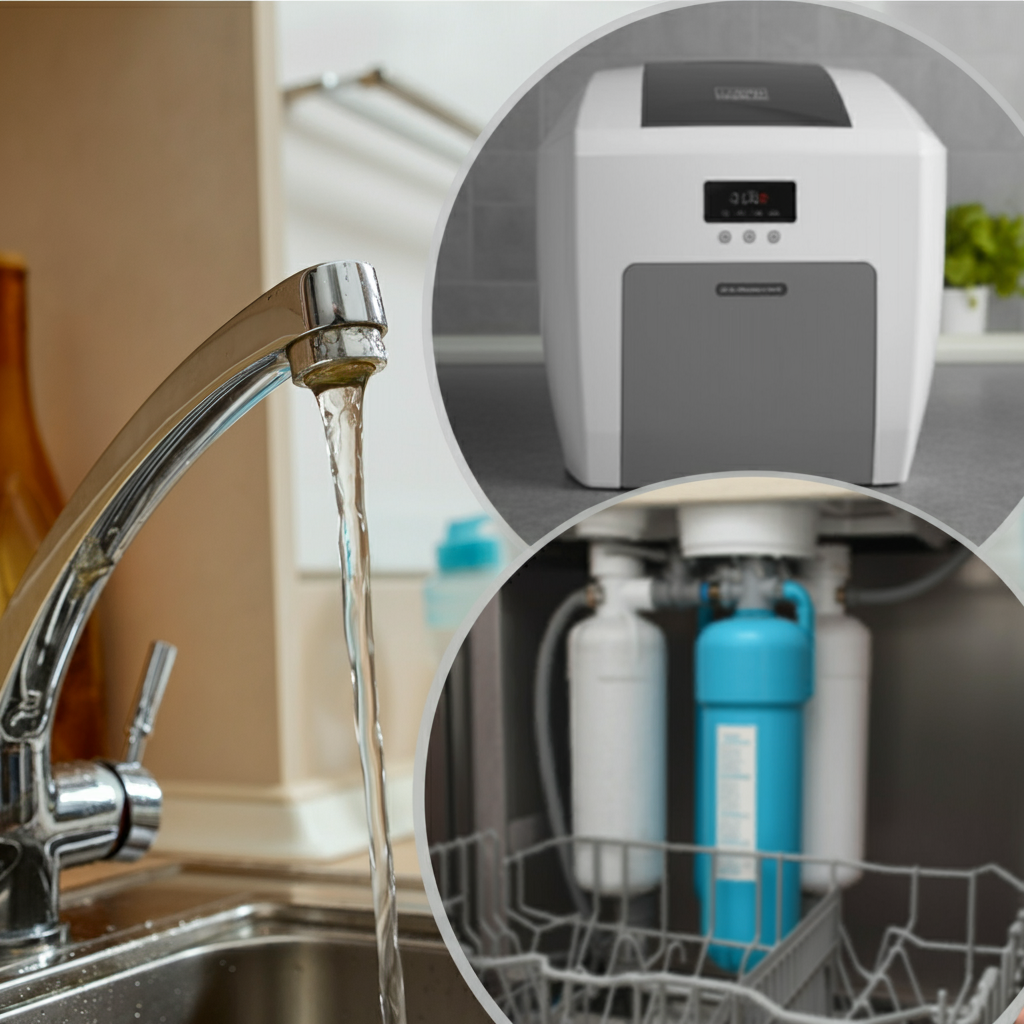
How Peak Water Usage Impacts Your Water Softener Size (and What to Do)

Peak water usage significantly impacts the sizing of your water softener. A water softener, a device that removes minerals causing water hardness, needs to be appropriately sized to handle the maximum amount of water your household uses during peak periods. If your softener is too small, it won’t be able to keep up with demand, leading to hard water issues even with the system installed. At WaterSoftenerSizing.com, we understand that choosing the right water softener is essential for maintaining the quality of your water and the longevity of your plumbing and appliances. That’s why we’re here to guide you through the intricacies of water softener sizing, with a particular focus on how peak water usage comes into play. Peak water usage refers to the times of day when your household’s water demand is at its highest. Think of those busy mornings when everyone is showering, the dishwasher is running, and the washing machine is on its second cycle. During these periods, your water softener needs to work harder to remove minerals like calcium and magnesium that cause hard water problems. Similar to how a highway needs to be wide enough to accommodate rush hour traffic, your water softener needs sufficient capacity to handle peak water usage. If it’s undersized, it will struggle to keep up, resulting in hard water flowing through your pipes and appliances. This can lead to a host of issues, including soap scum buildup, dry skin and hair, reduced appliance efficiency, and even plumbing damage over time. In contrast, an oversized water softener can lead to unnecessary salt and water waste during regeneration cycles, increasing your operating costs. Finding the right balance is crucial, and understanding your peak water usage is a key factor in determining the appropriate size for your water softener.

What Exactly is Peak Water Usage?

Peak water usage refers to the specific times of the day when your household’s demand for water is at its highest. It’s when multiple water-using appliances and fixtures are operating simultaneously, putting a significant strain on your plumbing system and water softener. Think of a typical weekday morning: multiple family members are showering, the dishwasher is cleaning breakfast dishes, and the washing machine is churning away with a load of laundry. In the evening, a similar scenario unfolds as everyone returns home, showers, cooks dinner, and washes dishes. These are prime examples of peak water usage periods. According to the Water Research Foundation, the average household experiences two peak water usage periods per day, one in the morning (between 6 a.m. and 9 a.m.) and another in the evening (between 5 p.m. and 9 p.m.). However, the exact timing and intensity of peak usage can vary depending on household size, lifestyle, and even seasonal factors. For instance, families with children may experience higher peak usage during school days compared to weekends. Why is peak water usage important to consider when sizing a water softener? Because during these periods of high demand, an undersized softener can become overwhelmed, leading to hard water breakthrough. This means untreated hard water can bypass the softener and enter your plumbing system, negating the benefits of softened water.

How Does Peak Water Usage Affect Water Softeners?

To understand how peak water usage impacts your water softener, let’s first briefly recap how these appliances function.

Water Softener Basics: The Ion Exchange Process

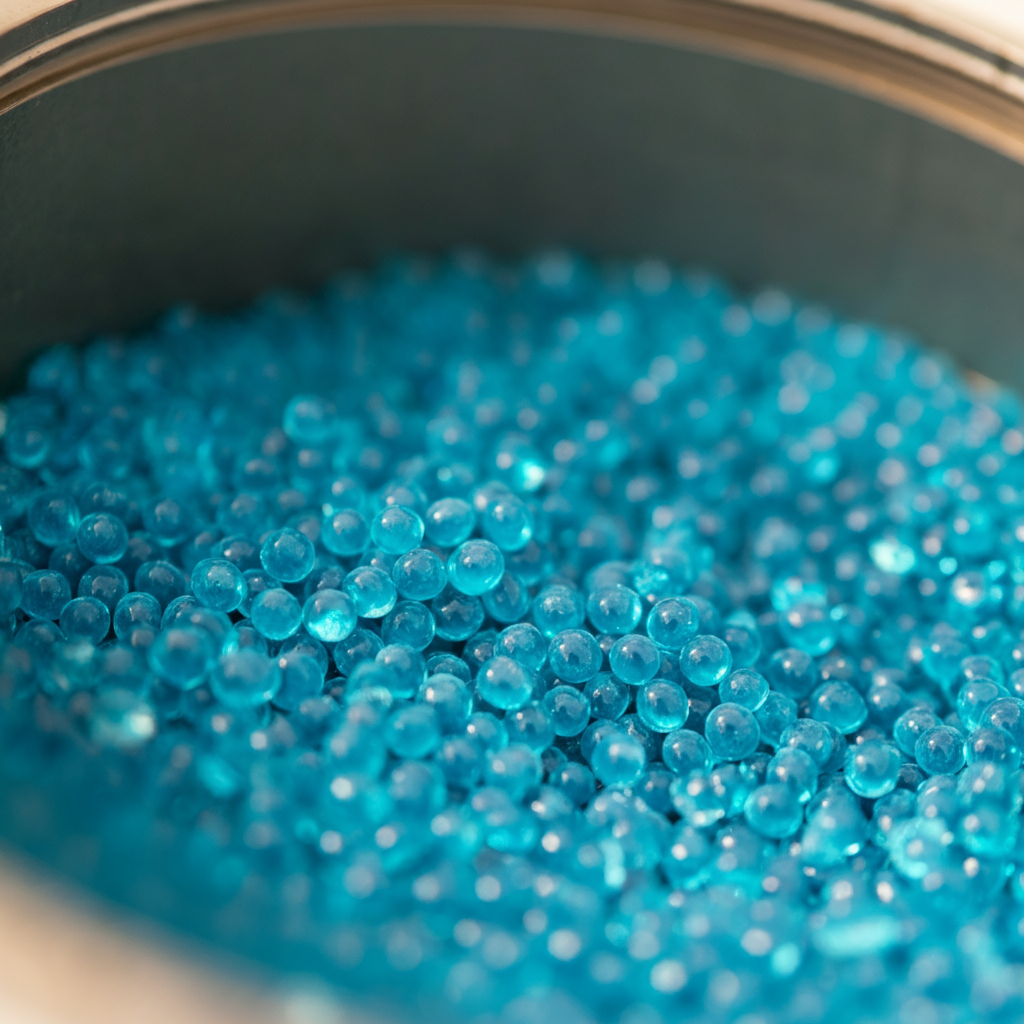
Water softeners operate on the principle of ion exchange. Hard water, which contains high levels of calcium (Ca2+) and magnesium (Mg2+) ions, passes through a resin bed inside the softener tank. This resin is coated with sodium (Na+) ions. During the softening process, the calcium and magnesium ions in the hard water are attracted to the resin beads and swap places with the sodium ions. As a result, the water leaving the softener is now “soft,” meaning it has a lower concentration of hardness minerals and a higher concentration of sodium.

The Strain of Peak Demand on Water Softeners

While water softeners are designed to handle a certain amount of hard water, peak water usage can push them beyond their limits. An undersized softener, in particular, can struggle to keep up with the increased demand for soft water during peak periods. This can lead to a phenomenon known as hard water breakthrough. Essentially, the resin bed becomes saturated with calcium and magnesium ions, and it can no longer effectively exchange them for sodium ions. As a result, untreated hard water starts to pass through the softener and into your plumbing system. In addition to hard water breakthrough, peak usage can also cause an undersized softener to regenerate more frequently. Regeneration is the process by which the resin bed is cleaned and recharged with sodium ions. It typically involves flushing the resin with a brine solution, which can consume significant amounts of water and salt. Frequent regeneration cycles not only increase your water and salt usage but also put additional wear and tear on the softener, potentially shortening its lifespan.

Importance of Proper Sizing

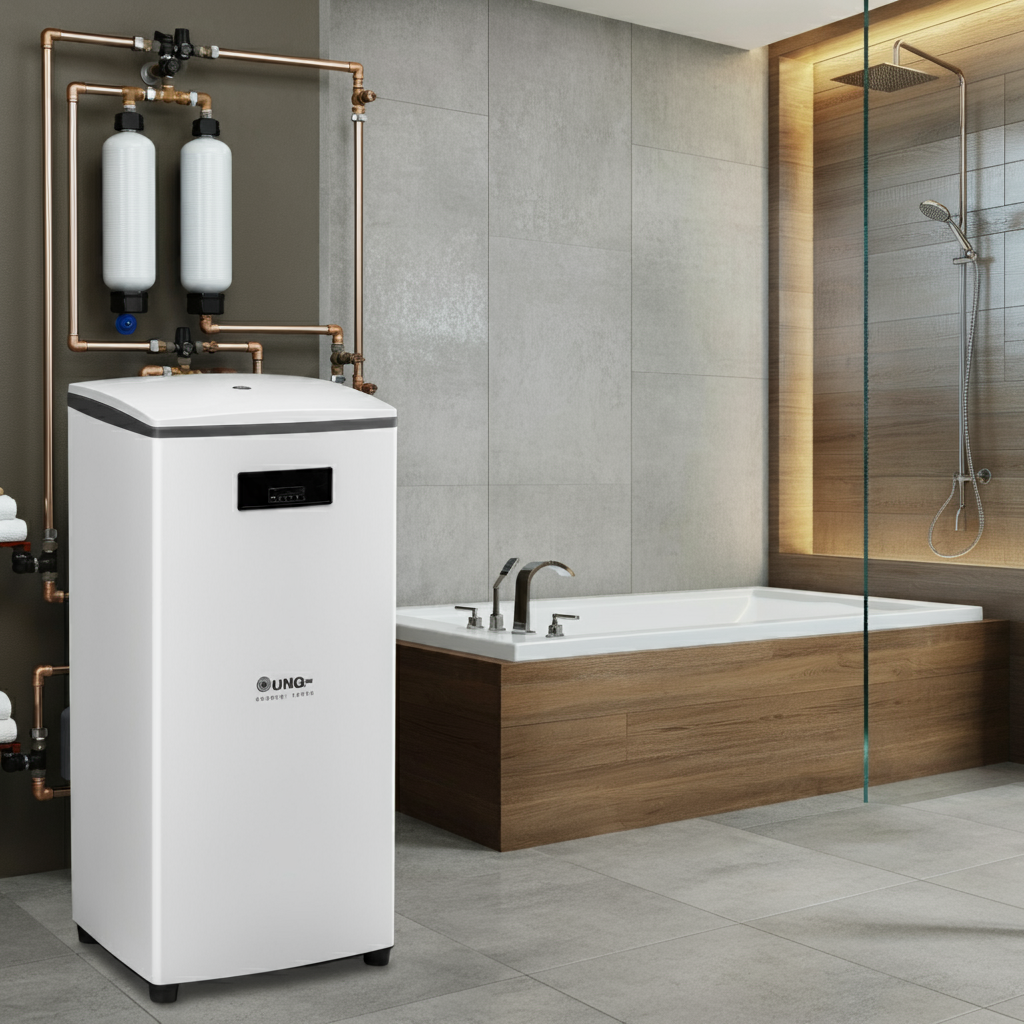
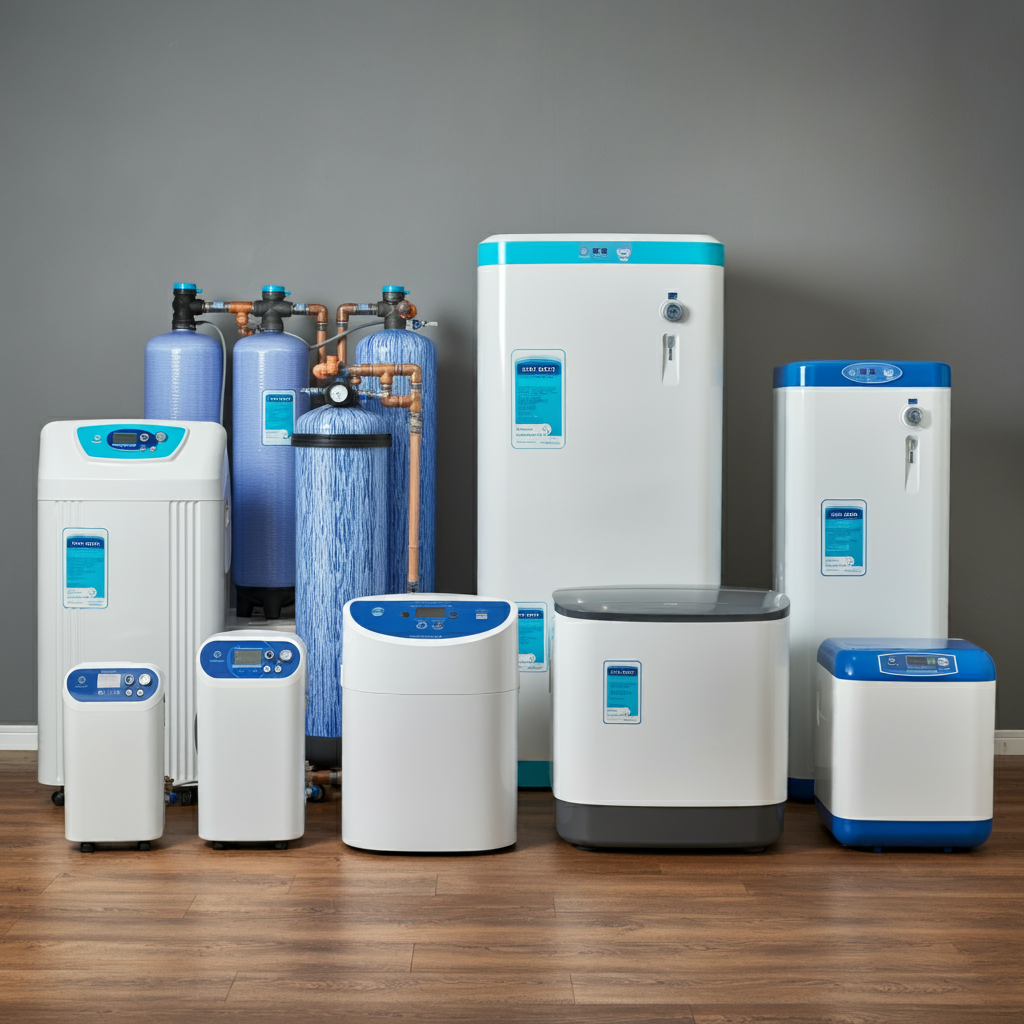
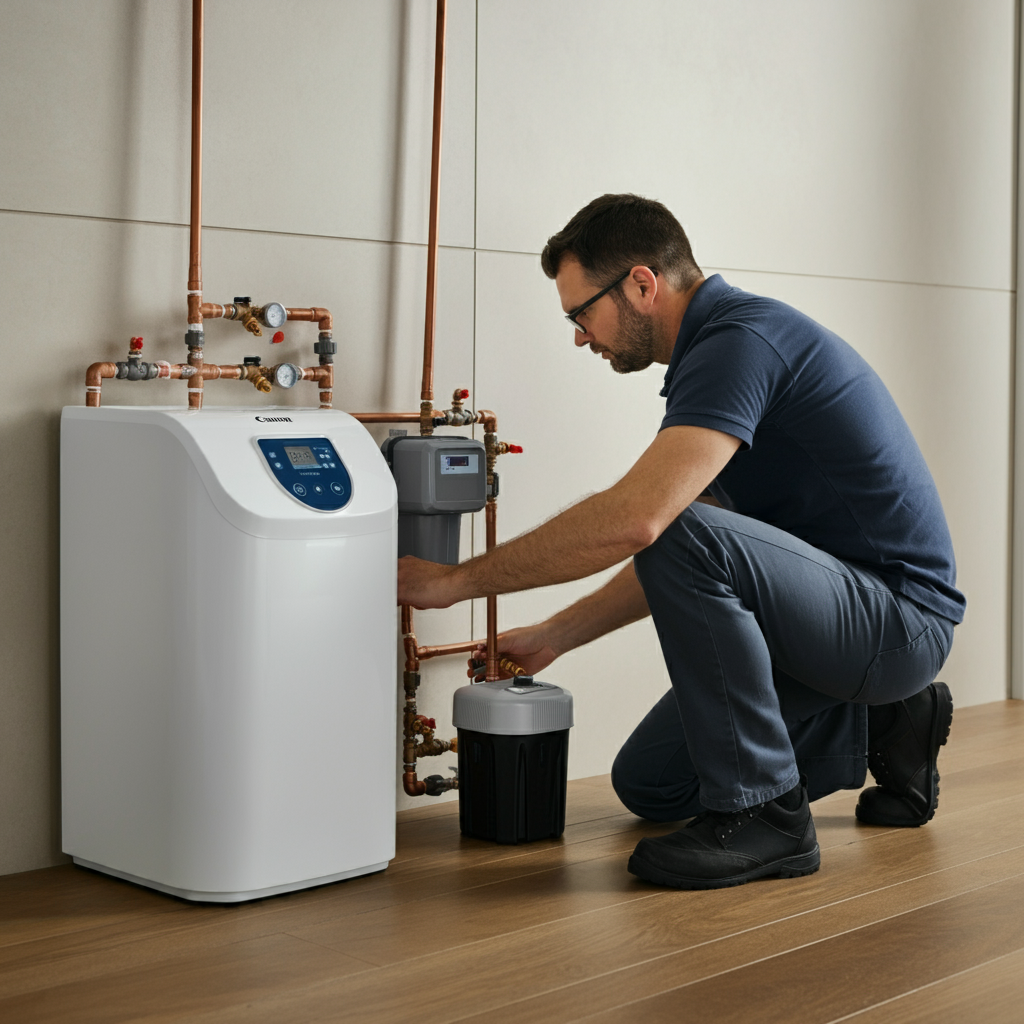
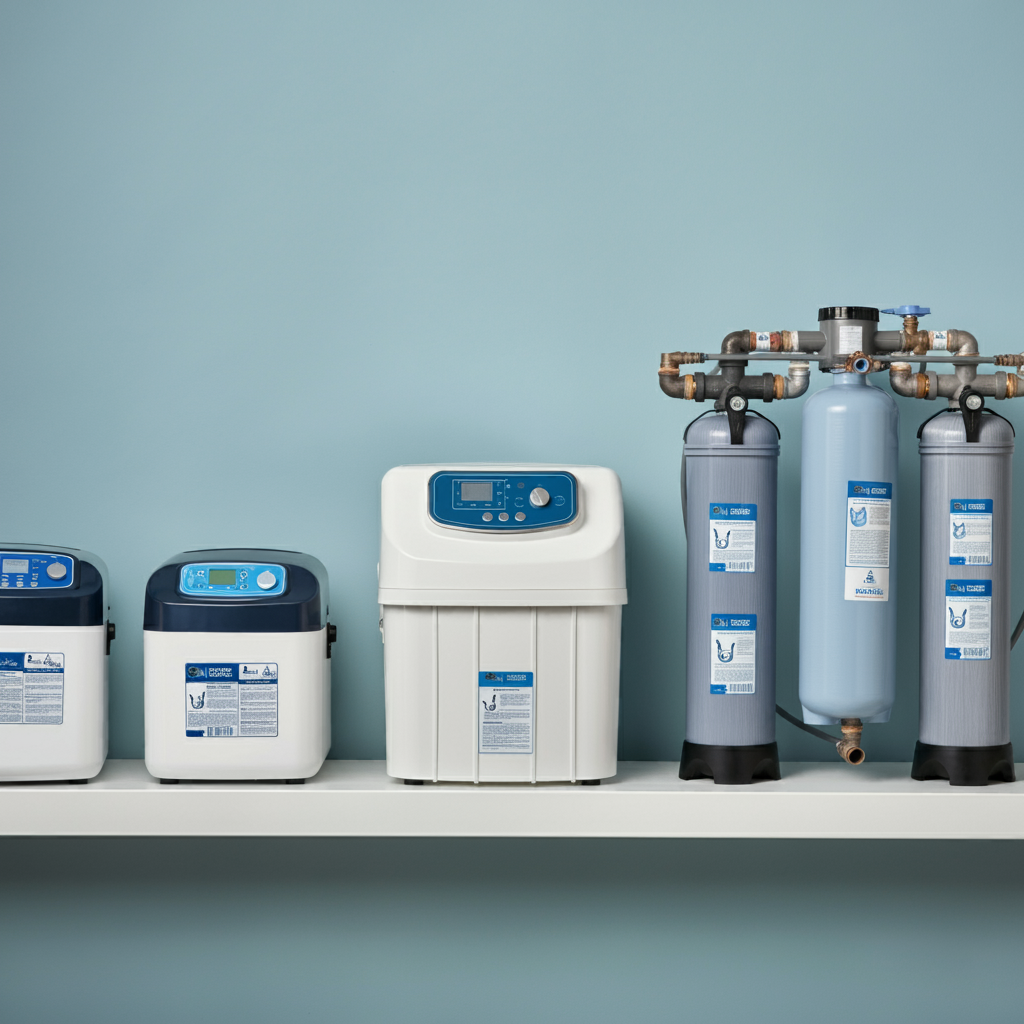
As the Water Quality Association (WQA) emphasizes, “Proper sizing is critical for a water softener to work effectively.” An undersized softener will not only fail to deliver soft water during peak usage but can also incur higher operating costs and require more frequent maintenance. On the other hand, an oversized softener can lead to inefficient operation and unnecessary waste of water and salt. Different water softener sizes to accommodate various peak water demands
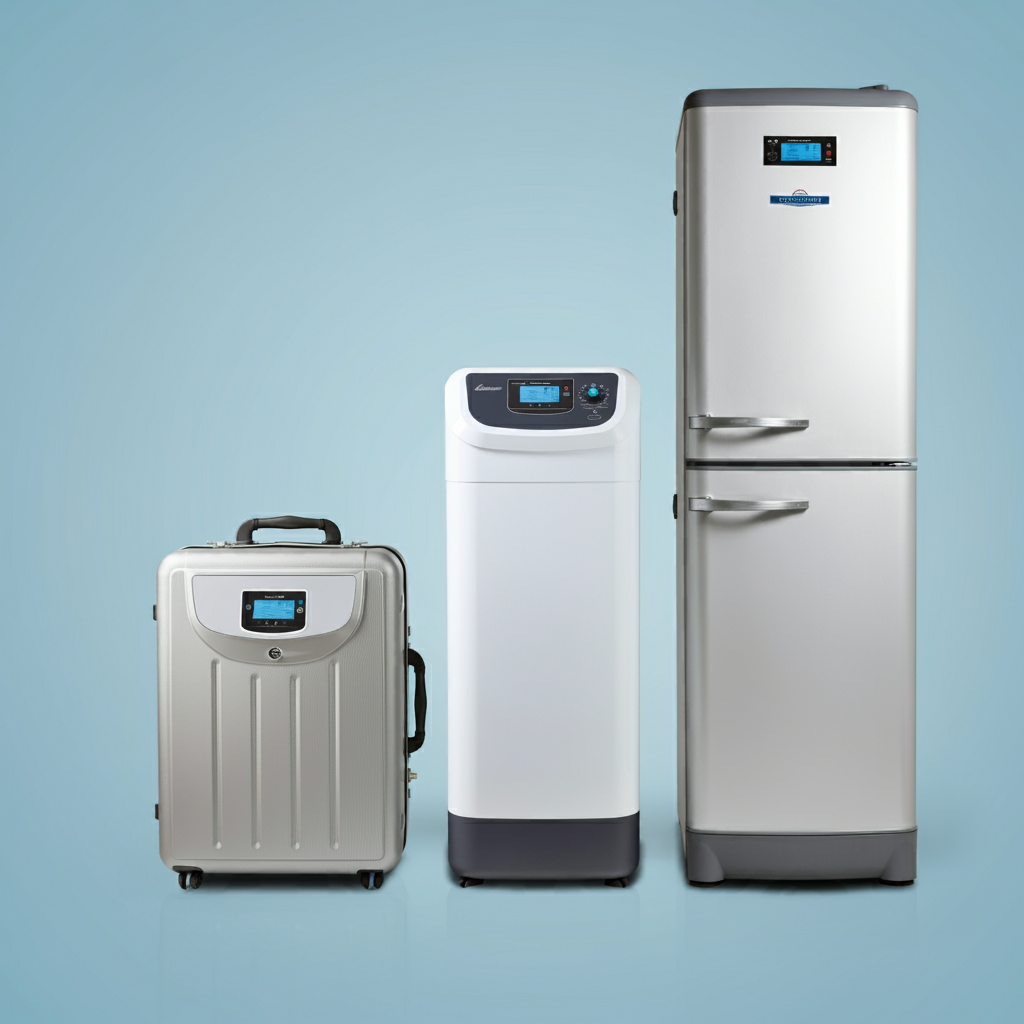
Key Factors Influencing Water Softener Sizing

Selecting the correct water softener size isn’t a one-size-fits-all endeavor. Several key factors come into play, each influencing the optimal capacity for your specific needs:

1. Water Hardness: The Driving Force Behind Softener Demand

Water hardness, the concentration of calcium and magnesium in your water supply, is the primary factor dictating the workload for your water softener. Measured in grains per gallon (gpg) or parts per million (ppm), higher hardness levels necessitate a larger softener capacity to effectively remove minerals. In areas with exceptionally hard water exceeding 10 gpg, like parts of the Midwest, a higher-capacity softener becomes essential. For instance, a family of four in Arizona, where water hardness averages 15 gpg, would require a significantly larger softener than a similar family in New England, with an average hardness of 3 gpg.

2. Household Size: Scaling Up Capacity with More Users

The number of people in your household directly impacts daily water consumption and, consequently, the demand placed on your water softener. A larger household with more individuals showering, washing clothes, and running the dishwasher will naturally require a softener with greater capacity compared to a smaller household with fewer members. For example, a single-person household using 75 gallons of water daily would have significantly different softener needs than a family of five consuming 300 gallons per day.

3. Daily Water Usage: Beyond the Basics

Daily water usage encompasses all the water your household consumes for various activities throughout the day. This includes showering, bathing, washing clothes and dishes, cooking, and more. Accurately estimating your daily water usage is crucial for determining the appropriate softener size. Several online water usage calculators, such as the one offered by the Water Quality Association (WQA), can help you estimate your household’s daily consumption based on the number of people, appliances, and water-using fixtures.

4. Peak Water Demand: The Ultimate Test

While average daily water usage is important, it’s equally crucial to consider peak water demand. This represents the maximum amount of water your household uses simultaneously during peak usage times. For instance, if multiple showers are running, the dishwasher is on, and the washing machine is filling up simultaneously, your softener will face its highest workload. To accurately size your water softener, you must factor in both average daily usage and peak demand. A softener sized solely for average usage might be overwhelmed during peak periods, leading to hard water issues.

Additional Factors to Consider

While the factors mentioned above are the primary drivers of softener sizing, other nuances can also influence your decision:

  • Appliances and Fixtures: High-flow showerheads, jetted tubs, and other water-intensive fixtures can increase peak demand, necessitating a larger softener.
  • Seasonal Variations: In areas with distinct seasons, water usage may fluctuate. For example, outdoor watering during summer can increase demand.
  • Presence of Iron or Manganese: If your water contains significant levels of iron or manganese, these minerals will also contribute to the softener’s workload, potentially requiring a larger capacity or a specialized softener designed for iron removal.

By meticulously evaluating these factors, you can collaborate with a water treatment professional to determine the optimal water softener size that caters to your household’s unique requirements. This proactive approach ensures that your softener operates efficiently, consistently delivers soft water, and enjoys a long, productive lifespan.

Calculating the Right Water Softener Size

Calculating the correct water softener size for your home requires a bit of math, but don’t worry, we’ll guide you through it step-by-step. Remember, accurate sizing is crucial to ensure your softener functions efficiently and effectively addresses your water hardness concerns.

The Step-by-Step Guide to Water Softener Sizing

  1. Determine Water Hardness: The first step is to know your water’s hardness level, measured in grains per gallon (gpg). You can obtain this information through a home water test kit or by contacting your local water utility provider. Many municipalities also publish annual water quality reports that include hardness data. If your water comes from a private well, you’ll need to have it professionally tested. 
  2. Estimate Daily Water Usage: The next step involves calculating your household’s average daily water consumption. A good starting point is to multiply the number of people in your household by 75 gallons per person. However, this is just an estimate, and your actual usage may vary. For a more accurate assessment, you can review your water bills or use an online water usage calculator like the one offered by the Water Quality Association (WQA). 
  3. Calculate Peak Water Demand: Peak water demand refers to the maximum amount of water your household uses simultaneously during peak usage times. To estimate this, consider the number of bathrooms in your home and the potential for concurrent water use during peak hours. For example, if you have two bathrooms and anticipate two showers, a dishwasher cycle, and a washing machine load running simultaneously, you’ll need to factor in the flow rates of these appliances and fixtures to determine your peak demand. 
  4. Daily Softening Requirement: Once you have your daily water usage and water hardness figures, multiply them together to calculate your daily softening requirement in grains. For example, if your household uses 300 gallons of water per day and your water hardness is 10 gpg, your daily softening requirement would be 3000 grains (300 gallons x 10 gpg). 
  5. Choosing the Right Softener Size: Finally, select a water softener with a grain capacity that exceeds your daily softening requirement and can comfortably handle your peak water demand. To account for future needs or fluctuations in usage, it’s often recommended to choose a softener with a slightly larger capacity than your calculated requirement. 

Online Calculators and Professional Consultation

To simplify the sizing process, consider using a reputable online water softener sizing calculator. Several manufacturers, such as Kinetico and Culligan, offer these tools on their websites. However, keep in mind that online calculators provide estimates, and it’s always best to consult with a water treatment professional for a precise assessment of your specific needs. A professional can conduct a thorough water analysis, assess your household’s unique water usage patterns, and recommend a softener model and size that perfectly aligns with your requirements.

Signs Your Water Softener is Undersized

Even with the most meticulous calculations and professional guidance, it’s possible to end up with a water softener that’s not quite right for your household’s needs. Recognizing the signs of an undersized water softener is crucial for addressing the issue promptly and preventing long-term problems.

1. The Return of Hard Water Symptoms

The most obvious indicator of an undersized softener is the reappearance of hard water symptoms. If you start noticing the following, it could be a sign that your softener isn’t keeping up with demand:

  • Soap Scum: A filmy residue on bathroom surfaces, dishes, and laundry that doesn’t easily rinse away.
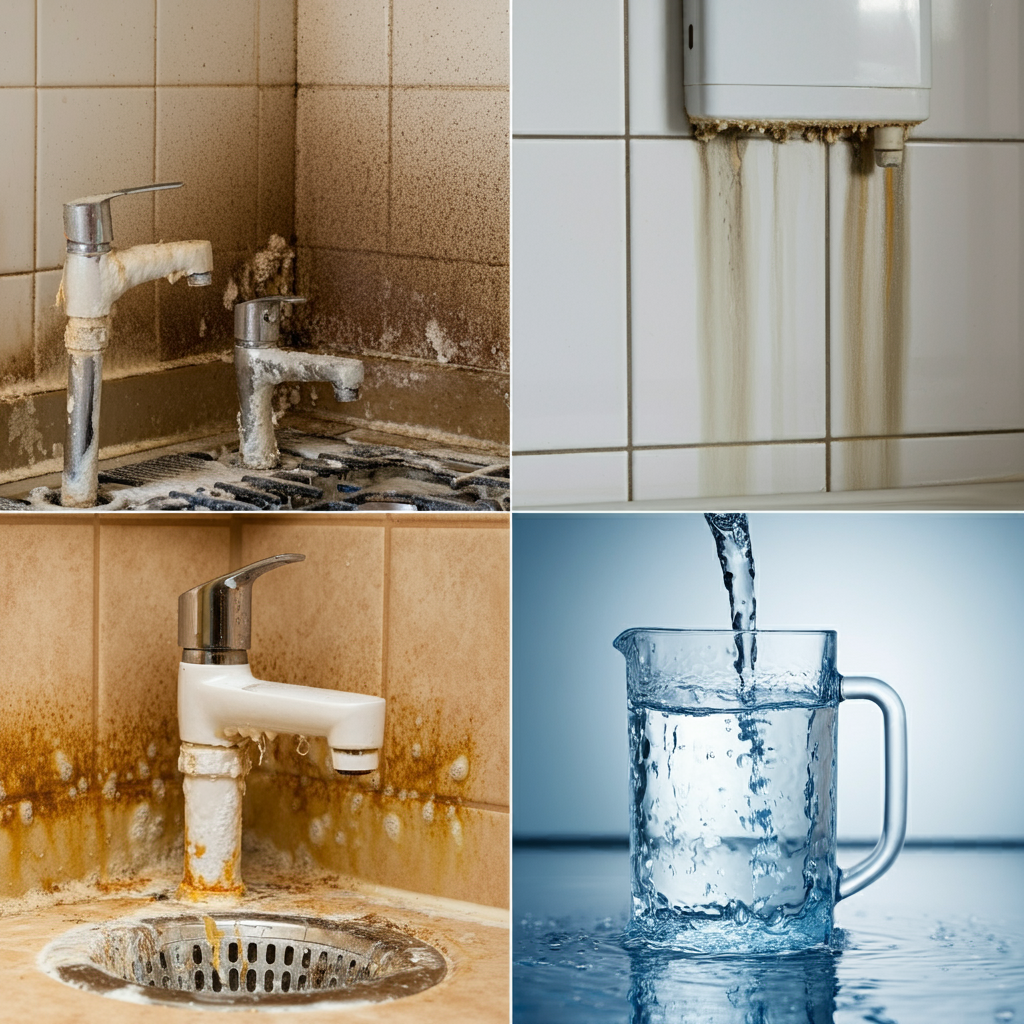
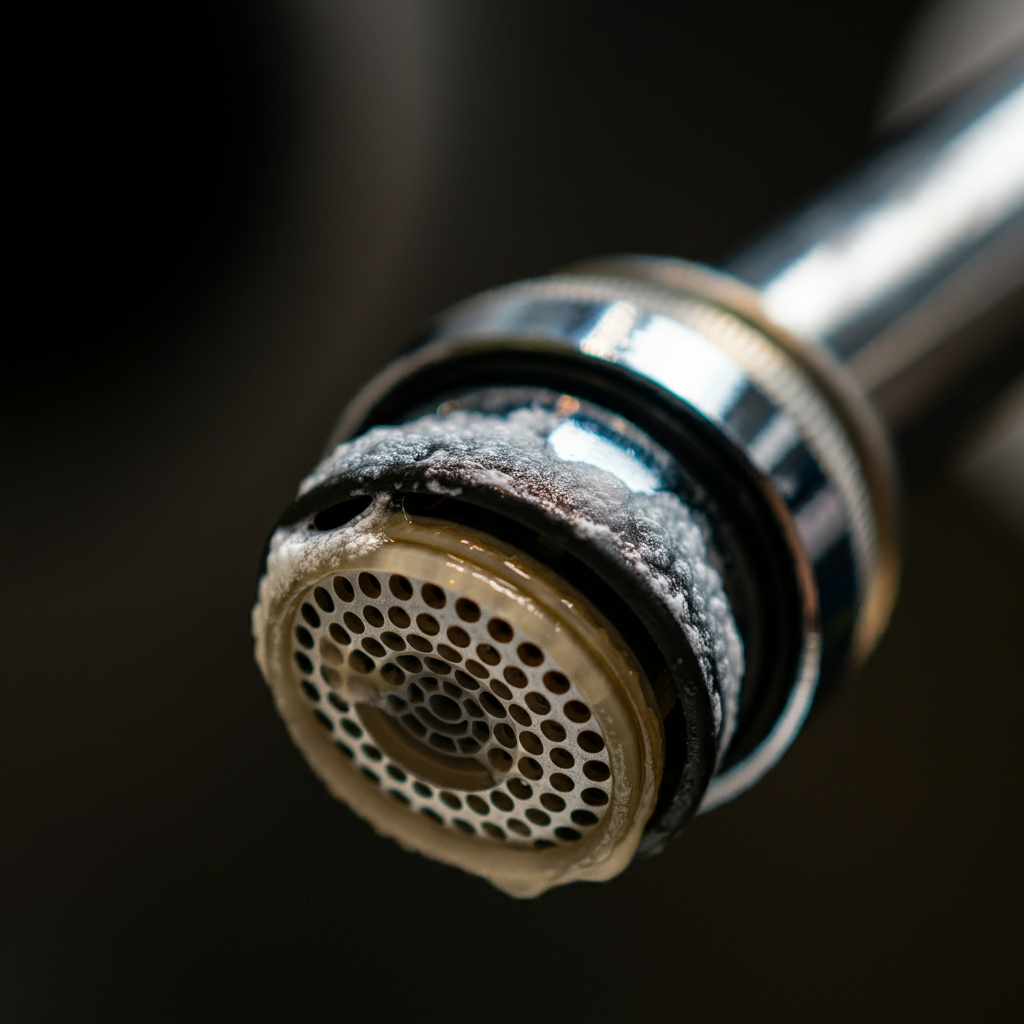
  • Scale Buildup: White, chalky deposits on faucets, showerheads, and inside appliances like coffee makers and water heaters. This buildup can restrict water flow and decrease appliance efficiency over time.
  • Dry Skin and Hair: Hard water can leave your skin feeling dry and itchy and your hair feeling dull and brittle.
  • Fading Clothes: The minerals in hard water can cause colors to fade and fabrics to feel rough and scratchy after washing.

2. Increased Salt Usage

If you find yourself refilling your water softener’s salt tank more frequently than usual, it could be a sign that the softener is regenerating more often than it should. As mentioned earlier, an undersized softener will become overwhelmed during peak usage, triggering more frequent regeneration cycles in an attempt to keep up with demand.

3. Reduced Water Pressure

Another telltale sign of an undersized water softener is a noticeable drop in water pressure, especially during peak usage times. This occurs because the softener’s resin bed becomes saturated with hardness minerals and restricts the flow of water through the system. If you experience weak water pressure when multiple faucets or appliances are in use, it could be a red flag that your softener is not adequately sized.

4. Frequent Regeneration Cycles

Most water softeners are programmed to regenerate on a regular schedule, typically every few days. However, an undersized softener may regenerate more frequently, even daily, in an attempt to maintain soft water during peak demand periods. If you notice that your softener is regenerating more often than usual, it’s worth investigating whether it’s the right size for your needs.

The Importance of Early Detection

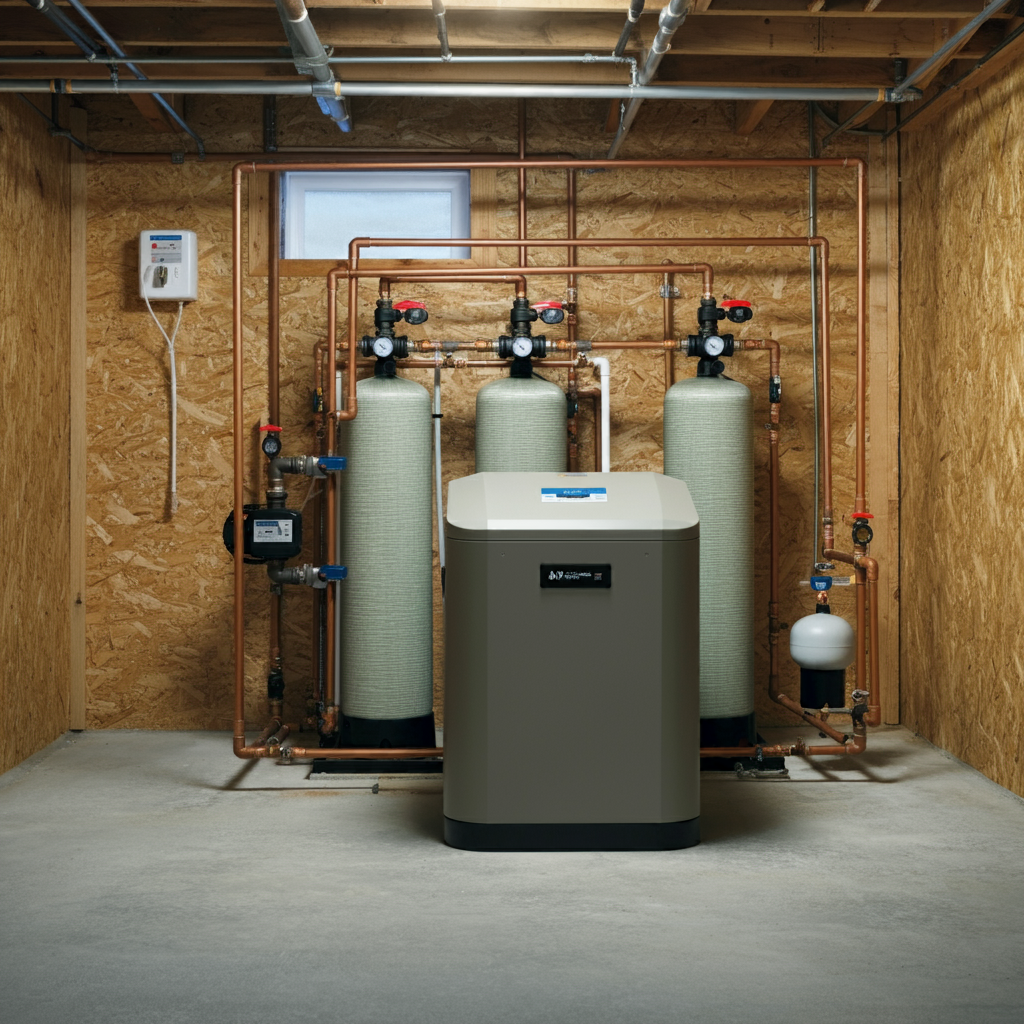
Identifying these signs early on is crucial to prevent long-term problems associated with hard water, such as plumbing damage, appliance malfunctions, and increased energy consumption. If you suspect your water softener is undersized, it’s essential to consult with a water treatment professional to assess your options and ensure you have the right system for your household. inner workings of a water softener and how it handles peak flows
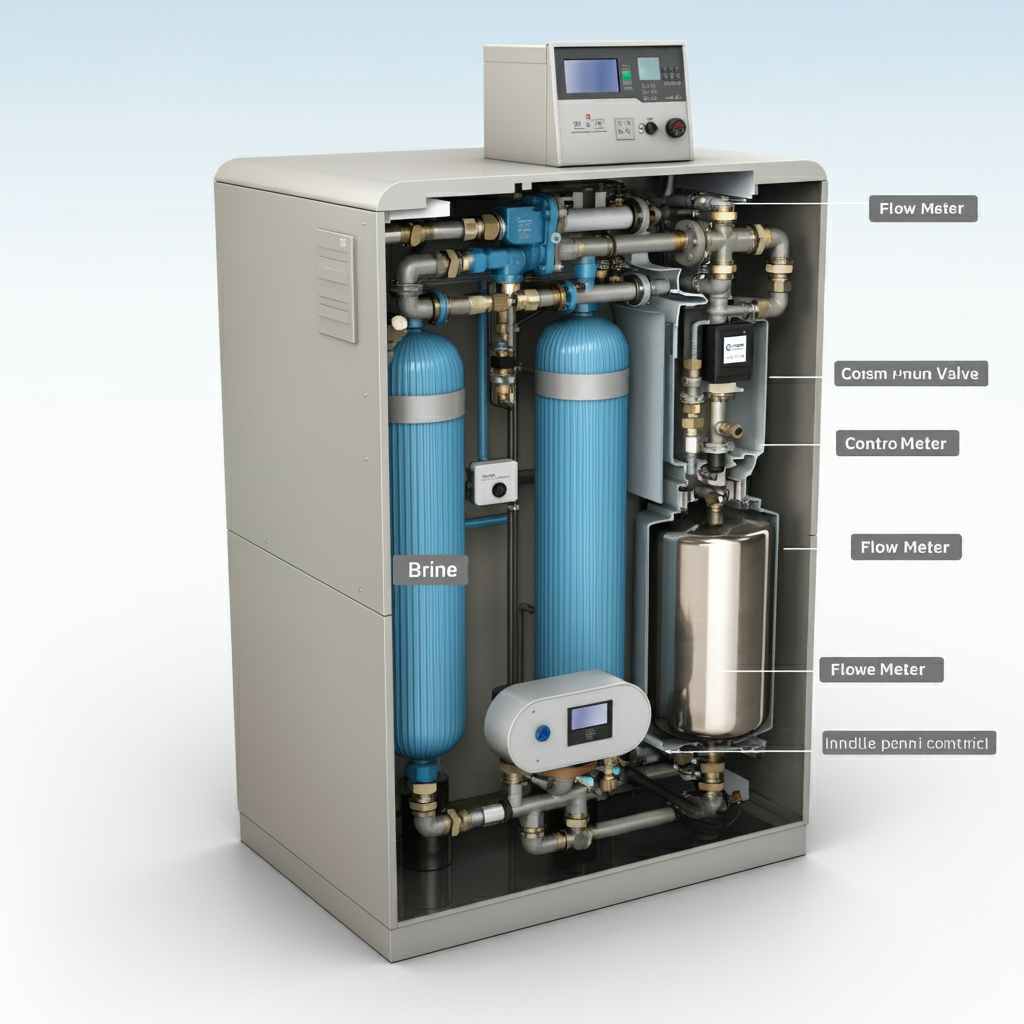
Solutions for Peak Water Usage Issues

If you suspect your water softener is undersized, don’t despair! There are several solutions available to address peak water usage challenges and ensure a consistent supply of soft water for your home.

1. Upgrade to a Larger Softener

The most straightforward solution for an undersized softener is to upgrade to a model with a larger capacity. When choosing a new softener, consider your household’s current and future needs. If you anticipate your family growing or your water usage increasing, opting for a softener with ample capacity can save you from facing similar issues down the line. Leading manufacturers like Kinetico and Culligan offer a wide range of water softeners with varying capacities, ensuring you can find the perfect fit for your home. Their knowledgeable representatives can guide you through the selection process, taking into account your specific water hardness, household size, and peak water demand.

2. Add a Second Softener

For larger households with exceptionally high peak water demand, installing a second water softener can be a viable solution. This approach effectively doubles your softening capacity, ensuring an ample supply of soft water even during the busiest times of day. While this option requires a higher initial investment, it can provide long-term benefits by preventing hard water problems and reducing wear and tear on your primary softener. Consulting with a water treatment professional can help you determine if a dual softener system is the right choice for your needs.

3. Demand-Initiated Regeneration (DIR) Systems

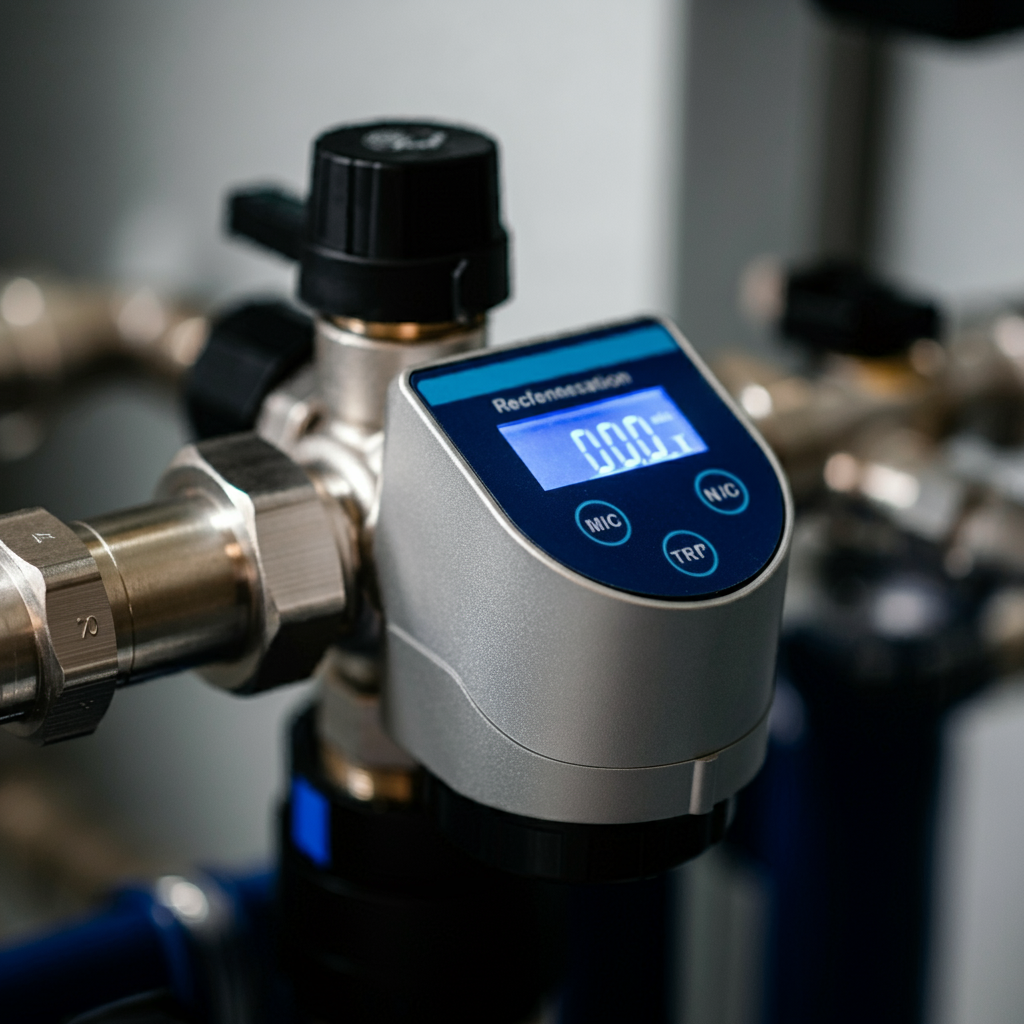
Demand-Initiated Regeneration (DIR) is a smart technology employed by some modern water softeners. Unlike traditional softeners that regenerate on a fixed schedule, DIR systems monitor water usage and initiate regeneration only when needed. This optimizes efficiency, conserves water and salt, and ensures a consistent supply of soft water even during peak demand. Fleck, a renowned manufacturer of water softener control valves, offers a variety of DIR models known for their reliability and performance. By investing in a DIR softener, you can tackle peak water usage issues while minimizing operating costs and environmental impact.

4. Professional Consultation

While exploring the above solutions, it’s always recommended to seek professional advice from a water treatment expert. They can assess your specific water conditions, analyze your household’s water usage patterns, and recommend the most suitable solution for your individual needs. Remember, choosing the right water softener and addressing peak water usage challenges is an investment in your home’s comfort, efficiency, and long-term value. By taking proactive steps to ensure your softener is properly sized and equipped to handle peak demand, you can enjoy the benefits of soft, clean water throughout your entire home, day in and day out.

Mastering Your Water Softener: The Key to Soft Water, Even at Peak Times

Understanding how peak water usage affects your water softener’s sizing is essential for maintaining a consistent supply of soft, high-quality water throughout your home. An undersized softener can struggle to keep up with demand, leading to hard water issues and decreased efficiency. By carefully considering factors such as water hardness, household size, daily water usage, and peak demand, you can determine the optimal softener size for your specific needs. Remember, an appropriately sized softener not only protects your plumbing and appliances from the damaging effects of hard water but also ensures you enjoy the benefits of soft water, from softer skin and hair to brighter laundry and cleaner dishes, even during those busy mornings and evenings. If you’re unsure about your water softener’s capacity or suspect it might be undersized, don’t hesitate to consult with a water treatment professional. They can assess your unique situation and recommend the best solution to ensure you have soft water on demand, no matter how busy your household gets.

Key Takeaways

  • Peak Water Usage Matters: Periods of high water demand can strain undersized softeners, leading to hard water issues.
  • Know Your Hardness: Water hardness levels are crucial in determining the right softener size for your home.
  • Calculate with Care: Accurate calculations of daily water usage and peak demand are essential for proper sizing.
  • Signs of Trouble: Hard water symptoms, increased salt usage, low water pressure, and frequent regeneration cycles can indicate an undersized softener.
  • Solutions Exist: Upgrading to a larger softener, adding a second unit, or opting for a demand-initiated regeneration system can address peak usage issues.

Your Path to Soft Water Starts Here

Ready to take the next step towards perfectly softened water? We invite you to utilize our free water softener sizing calculator at WaterSoftenerSizing.com. This tool, combined with our expert resources and guidance, will empower you to make an informed decision and select the ideal water softener for your home or business. Don’t let hard water hold you back – invest in the right solution today and experience the difference soft water can make in your life.
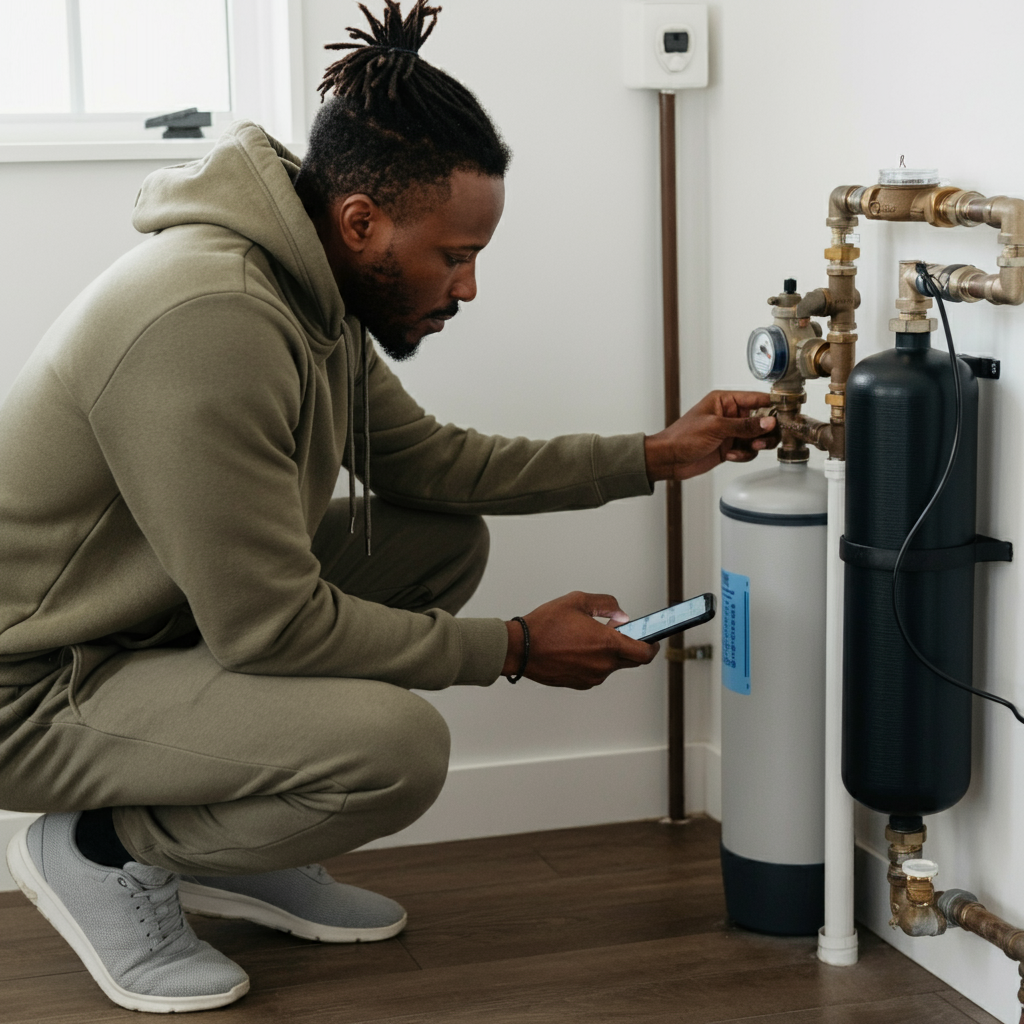
How Do I Estimate My Household’s Daily Water Usage for Accurate Softener Sizing?

To accurately size a water softener for your home, you’ll need to estimate your household’s daily water usage. This can be done in a few ways: by analyzing your water bill, using your water meter, or conducting a water audit. These methods will give you a clear picture of how much water your household consumes on average, a crucial factor in determining the right size water softener for your needs. At WaterSoftenerSizing.com, we understand that choosing the right water softener can be a daunting task. An undersized unit will regenerate too frequently, wasting salt and water, while an oversized unit is unnecessarily expensive and inefficient. By accurately estimating your daily water usage, you can ensure that your chosen water softener is perfectly tailored to your needs, providing optimal performance and longevity. Your water softener is a critical appliance that removes hardness minerals like calcium and magnesium from your water supply. These minerals can cause a variety of problems, from dry skin and hair to scale buildup in your pipes and appliances. A properly sized water softener not only addresses these issues but also contributes to the overall efficiency and longevity of your plumbing system and appliances. Before we delve into the specifics of each estimation method, it’s important to understand why accurate water usage is so crucial. Leading water softener brands like SoftPro, Culligan, Kinetico, and Fleck all emphasize the importance of proper sizing in their product literature and recommendations. Even governmental organizations like the Environmental Protection Agency (EPA), through its WaterSense program, recognize the importance of water-efficient appliances, including water softeners.

Why Accurate Water Usage Estimation Matters

Choosing the right water softener size isn’t just about convenience; it’s about maximizing efficiency and value. An undersized unit won’t be able to keep up with your household’s demand, leading to frequent regeneration cycles that waste both water and salt. On the other hand, an oversized unit might seem like a safe bet, but it comes with a higher upfront cost and operates less efficiently than necessary, potentially leading to higher energy bills. At WaterSoftenerSizing.com, we’re committed to helping you find the perfect balance. Our expert sizing calculations take the guesswork out of the process, ensuring you invest in a water softener that meets your specific needs and budget. By accurately estimating your daily water usage, you’ll be able to select a softener that:

  • Regenerates optimally: A properly sized unit will regenerate only when necessary, saving you money on salt and reducing water waste.
  • Removes hardness minerals effectively: This means softer skin and hair, less soap scum buildup, and longer-lasting appliances.
  • Operates efficiently: The right size softener won’t consume excess energy, keeping your utility bills in check.
  • Provides long-term value: A well-matched softener will last longer and require less maintenance, maximizing your investment.

To achieve these benefits, it’s essential to have a clear understanding of your household’s daily water consumption. This information allows us to recommend the ideal softener size and model, ensuring you get the most out of your water softening system. Several factors can influence your household’s water usage, including the number of people in your home, the types of appliances you use, and even the climate you live in. We’ll discuss these factors in more detail later on, but for now, let’s focus on the three primary methods for estimating your daily water consumption. Did You Know? The average American household uses about 80-100 gallons of water per person per day. However, this number can vary significantly depending on individual habits and household characteristics.

Method 1: Analyzing Your Water Bill

Your water bill is a treasure trove of information, including your household’s water consumption. Most water bills clearly state the total gallons of water used during a specific billing period, typically a month. To estimate your daily water usage, you’ll need to locate this figure and the number of days in your billing cycle.

How to Calculate Daily Water Usage from Your Bill

  1. Locate Total Gallons Used: Look for a line item on your bill that indicates the total water consumption for the billing period. This might be labeled as “total gallons used,” “water consumption,” or something similar.
  2. Find Billing Cycle Length: Check your bill for the start and end dates of the billing period. Subtract the start date from the end date to determine the number of days in the cycle.
  3. Calculate Daily Average: Divide the total gallons used by the number of days in the billing cycle. This will give you your average daily water usage in gallons.

Example: If your bill shows you used 12,000 gallons of water over a 30-day billing period, your average daily usage would be: 12,000 gallons / 30 days = 400 gallons per day Note: Some water bills may already provide the average daily usage directly, saving you the calculation. Important Considerations:

  • Seasonal Variations: Keep in mind that your water usage might fluctuate throughout the year due to seasonal changes like lawn watering in the summer or less frequent showers in the winter.
  • Lifestyle Events: Major events like having houseguests or filling a swimming pool can significantly impact your water usage for a short period.
  • Bill Format: Water bills can vary in format depending on your local water utility. However, they typically include the essential information needed to calculate your daily usage.

What if I don’t have a water bill? If you’re unable to access your water bill, you can use the other methods described in this article to estimate your water usage.

Method 2: Using Your Water Meter

Your water meter, often located near your property line or in your basement, is a direct way to measure your household’s water usage. It tracks the exact amount of water flowing into your home. By taking readings at specific intervals, you can accurately determine your daily consumption. Various water softener models with different capacities based on household water usage

Types of Water Meters

There are two main types of water meters:

  • Analog Meters: These have dials that resemble a clock face, with numbers indicating the amount of water used in cubic feet or gallons.
  • Digital Meters: These display the water usage directly in numbers, often with a digital readout similar to an odometer.

How to Read Your Water Meter and Calculate Daily Usage

  1. Locate Your Water Meter: Most meters are found outdoors near the street or sidewalk, inside a concrete box marked “water meter.” Some homes might have indoor meters, typically in the basement or utility room.
  2. Identify the Units: Determine whether your meter measures in cubic feet or gallons. This information is usually indicated on the meter face.
  3. Record the Initial Reading: Write down the numbers on the meter at the beginning of the day. If your meter is analog, note the position of the dials. If it’s digital, simply record the displayed number.
  4. Record the Final Reading: After 24 hours, take another reading of the meter.
  5. Calculate Daily Usage: Subtract the initial reading from the final reading. This difference represents your household’s water usage for that day.

Example: If your initial reading is 5000 gallons and your final reading after 24 hours is 5400 gallons, your daily usage is: 5400 gallons – 5000 gallons = 400 gallons Important Note: If your meter measures in cubic feet, you’ll need to convert cubic feet to gallons. There are 7.48 gallons in one cubic foot. Digital Meter Readings: Some water utilities offer online portals where you can access your digital meter readings remotely, eliminating the need for manual checks. While reading your water meter might seem intimidating at first, it’s a straightforward process that provides accurate data on your water consumption. This information is invaluable for not only sizing your water softener but also for identifying potential leaks or areas where you can conserve water.

Method 3: Conducting a Water Audit

If you want a more detailed breakdown of your water usage, a water audit is your best bet. This involves tracking the water used by each fixture and activity in your home over a specific period, usually a day or a week.

What is a Water Audit?

A water audit is a systematic evaluation of your household’s water consumption patterns. It allows you to identify the major sources of water usage in your home, revealing opportunities for conservation and highlighting the specific needs your water softener will need to address.

How to Conduct a Water Audit

  1. Gather Information:
    • Flow Rates: Determine the flow rate (gallons per minute) of each fixture in your home. This information can often be found on the manufacturer’s website or printed on the fixture itself. For older fixtures, you can measure the flow rate by timing how long it takes to fill a one-gallon container.
    • Usage Time: Estimate how long each fixture is used per day. For example, how long do you typically shower, run the dishwasher, or water your lawn?
  2. Calculate Water Usage:
    • Multiply the flow rate of each fixture by its usage time to determine the water used per activity.
    • Add up the water usage for all activities to get your total daily household consumption.

Example: Let’s say your showerhead has a flow rate of 2.5 gallons per minute (GPM), and you shower for an average of 10 minutes per day. Your daily shower water usage would be: 2.5 GPM * 10 minutes = 25 gallons You can repeat this calculation for each water-using activity in your home to determine your total daily usage. Helpful Tools:

  • Water Audit Worksheets: Several online resources and organizations, like the Alliance for Water Efficiency, offer free worksheets to help you track and calculate your water usage.
  • Water Usage Calculators: Online calculators, such as those provided by the Water Footprint Network, can help you estimate water usage for various activities based on your household size and habits.

Benefits of a Water Audit:

  • Pinpoint Inefficiencies: A water audit helps identify areas where you might be using more water than necessary, such as leaks or inefficient appliances.
  • Tailor Softener Sizing: By understanding your specific water usage patterns, you can choose a softener that’s perfectly sized for your needs.
  • Conserve Water: A water audit often reveals opportunities for reducing water consumption, which benefits both your wallet and the environment.

While a water audit might seem like a time-consuming task, it’s a worthwhile investment that can significantly impact your water softener selection and overall water management.

Factors Influencing Household Water Usage

Understanding the variables that influence your household’s water usage is key to accurately sizing your water softener. A variety of factors contribute to the total amount of water your home consumes on a daily basis. By recognizing these factors, you can better understand your own water usage patterns and make informed decisions about water conservation and softener sizing.

1. Household Size

The number of people living in your home is a major determinant of water usage. The more people you have, the more water is typically used for showers, baths, laundry, and other daily activities. The Water Research Foundation’s Residential End Uses of Water study found that a single-person household uses an average of 50.3 gallons per day, while a four-person household uses an average of 138.6 gallons per day.

2. Age of Household Members

Age can also play a role in water consumption. Children and teenagers may take longer showers or baths, while older adults might use less water overall.

3. High-Water-Use Appliances

Certain appliances, like dishwashers and washing machines, consume a significant amount of water. If you frequently use these appliances, your daily water usage will be higher than a household that hand-washes dishes or does laundry less often. Energy-efficient models, often certified by the EPA’s WaterSense program, can help reduce water consumption.

4. Outdoor Water Use

Watering your lawn, filling a swimming pool, or washing your car can drastically increase your water usage, especially during the warmer months. Consider using water-saving irrigation systems and practicing drought-resistant landscaping to minimize outdoor water consumption.

5. Climate

Climate plays a role in water usage as well. In hotter climates, people tend to shower more frequently and may use more water for outdoor activities like gardening and cooling down.

6. Water-Saving Habits

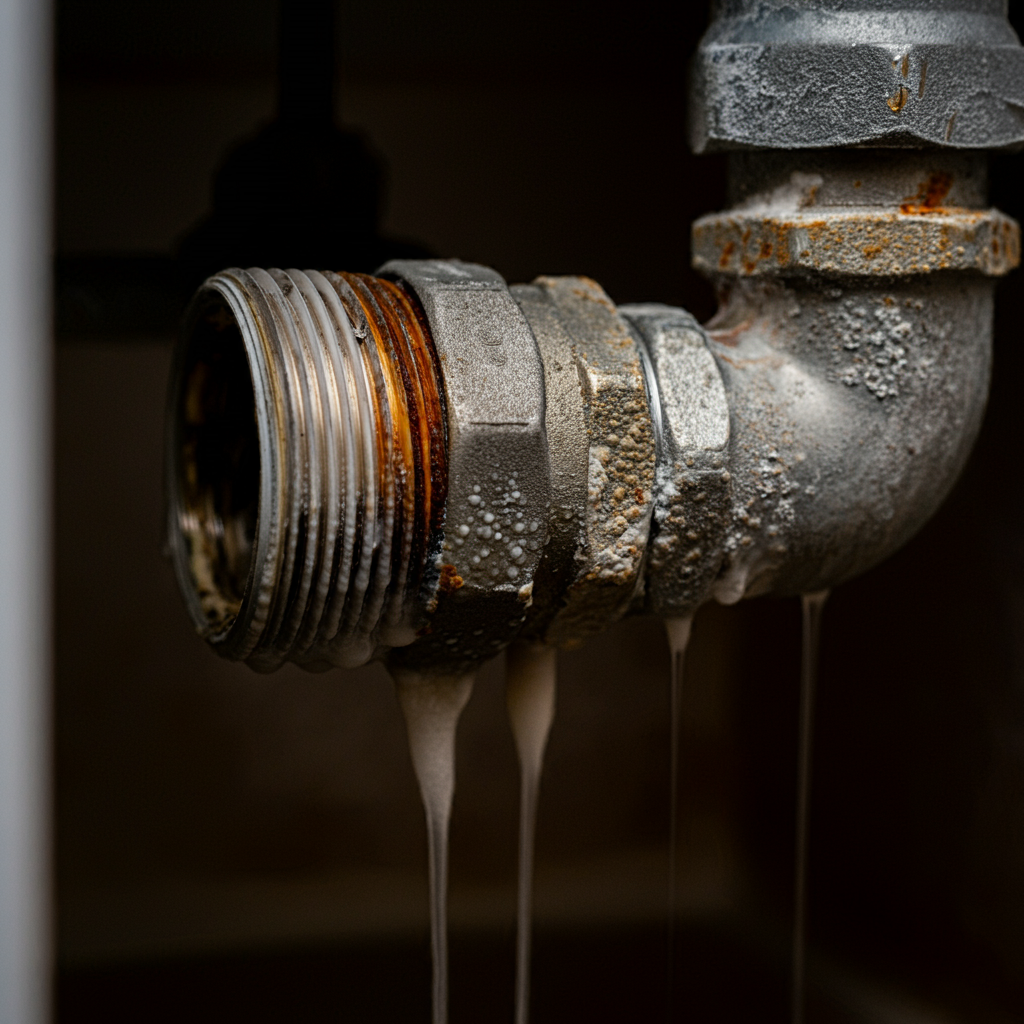
Your household’s water-saving habits significantly impact your overall consumption. Simple practices like fixing leaks, taking shorter showers, and turning off the faucet while brushing your teeth can make a big difference. At WaterSoftenerSizing.com, we encourage our customers to adopt water-saving habits as part of a holistic approach to water management. By conserving water, you not only reduce your environmental impact but also lower your water bills and potentially choose a smaller, more affordable water softener. Did You Know? According to the EPA, leaks account for nearly 10,000 gallons of wasted water in the average home every year. Hard water scale buildup, a problem solved with a correctly sized water softener

Choosing the Right Water Softener Size

Now that you’ve successfully estimated your household’s daily water usage, it’s time to translate that information into the appropriate water softener size. This step is crucial for ensuring your chosen softener can effectively handle your water demand and hardness levels, ultimately providing you with soft, high-quality water.

Understanding Water Softener Capacity

Water softeners are rated by their capacity, measured in grains. One grain represents the ability to remove one grain of hardness minerals (calcium and magnesium) from one gallon of water. To determine the right size for your needs, you’ll need to consider both your daily water usage and your water hardness level.

Calculating Required Softener Capacity

To calculate the minimum capacity your water softener needs, follow these steps:

  1. Daily Water Usage (Gallons): Use the figure you obtained from one of the estimation methods discussed earlier (water bill, meter reading, or water audit).
  2. Water Hardness (Grains per Gallon – GPG): Obtain your water hardness level from your local water utility. They typically provide this information on their website or in annual water quality reports.
  3. Multiply: Multiply your daily water usage in gallons by your water hardness in GPG to get your required softener capacity in grains.

Example: If your household uses 400 gallons of water per day and your water hardness level is 15 GPG, your minimum required softener capacity would be: 400 gallons * 15 GPG = 6000 grains

Choosing the Right Size

While the calculated figure represents the minimum capacity you need, it’s often recommended to choose a softener with a slightly higher capacity to accommodate potential fluctuations in water usage or changes in household size.

Consulting the Experts

At WaterSoftenerSizing.com, our team of water treatment professionals can guide you through the entire selection process. We’ll take into account your specific water hardness, daily usage, household size, and even your budget to recommend the most suitable softener models. We partner with reputable brands like SoftPro, Culligan, Kinetico, and Fleck, known for their high-quality and reliable water softeners.

Regeneration Frequency

Another factor to consider is the softener’s regeneration frequency. This is the process by which the softener flushes out the accumulated hardness minerals and recharges itself with salt. A properly sized softener will regenerate less frequently, saving you salt and water.

How Much Water Does an Average Person Use Per Day and How Does It Impact Softener Sizing?

The average person in the United States uses approximately 82 gallons of water per day, according to the U.S. Geological Survey (USGS). However, this figure is merely a national average, and individual water consumption can vary significantly based on several factors, including household size, lifestyle habits, and the efficiency of appliances. Understanding your household’s daily water usage is a critical first step in determining the appropriate size of a water softener. A water softener is a device that removes minerals that cause water hardness, such as calcium and magnesium, from your home’s water supply. The size of the water softener you need is directly influenced by the amount of water your household consumes and the hardness of your water, measured in grains per gallon (gpg). Water softeners operate by using a resin bed to attract and trap hardness minerals. Once the resin bed becomes saturated, it needs to regenerate, a process that flushes out the minerals and recharges the resin. If a water softener is too small for a household’s water usage, it will regenerate too frequently, leading to wasted water and salt. Conversely, an oversized water softener is an unnecessary investment, as it will have excess capacity that is never utilized. At WaterSoftenerSizing.com, we specialize in helping homeowners and businesses accurately size their water softeners to ensure optimal performance, efficiency, and cost-effectiveness. We understand that selecting the right size can be a daunting task, but our team of experts is here to guide you through the process, taking into account your specific water usage and hardness levels. Unlike general water filtration systems, which primarily remove sediment and chlorine, water softeners specifically target the minerals responsible for water hardness. This targeted approach not only improves the taste and feel of your water but also extends the lifespan of your appliances and plumbing fixtures by preventing the buildup of scale caused by hard water.

How Much Water Does the Average Person Use Each Day?

As we mentioned, the average American uses about 82 gallons of water per day. This figure, provided by the U.S. Geological Survey (USGS), is a helpful starting point, but it’s important to remember that individual water use can fluctuate significantly. A person living in an arid climate with outdoor watering needs will naturally use more water than someone in a cooler region. Similarly, a household with high-efficiency appliances will generally use less water than one with older, less efficient models. Let’s take a closer look at the breakdown of water usage by activity, based on data from the Water Quality Association (WQA) and the Environmental Protection Agency (EPA):

  • Shower: The average shower uses 17.2 gallons of water. However, this can vary depending on the showerhead’s flow rate and the length of the shower. A 10-minute shower with a standard 2.5 gallons per minute (gpm) showerhead will use 25 gallons, while a water-saving 2.0 gpm showerhead used for the same duration would only use 20 gallons.
  • Toilet: Flushing accounts for a significant portion of household water use. Older toilets can use 3.5 to 7 gallons per flush, while newer, high-efficiency models use as little as 1.28 gallons per flush. Assuming an average of 5 flushes per day, this translates to 14.1 gallons for a standard toilet and only 6.4 gallons for a high-efficiency model.
  • Faucet: Running the faucet for activities like washing hands, brushing teeth, or washing dishes can consume roughly 15.7 gallons per day. This can easily increase if faucets are left running unnecessarily.
  • Clothes Washer: The average household does about 8 loads of laundry per week, with each load using around 21.7 gallons of water. High-efficiency washing machines can drastically reduce this number, using as little as 15 gallons per load.
  • Leaks: Leaks can be a silent culprit of excessive water usage. The EPA estimates that the average household’s leaks can account for nearly 14 gallons of wasted water per day. Fixing leaks promptly can significantly reduce your water consumption.

While these are the primary water-consuming activities, it’s important to remember that other factors, such as dishwasher usage, outdoor watering, and even the presence of leaks, can also contribute to your overall water consumption. By understanding where your water is going, you can make informed decisions about water conservation and water softener sizing.

How Household Size Impacts Water Usage

The size of your household plays a significant role in determining your overall daily water consumption. Naturally, a larger household with more occupants will use more water than a smaller one. However, individual habits within the household can also cause significant fluctuations in water use.

Household Size Average Daily Water Usage (Gallons)
1 person 50-70
2 people 100-140
3 people 150-210
4 people 200-280

These figures are estimates, and actual usage can vary. For example, a family of four with teenagers who take long showers and frequently run the dishwasher might use significantly more than 280 gallons per day. Conversely, a couple who are mindful of their water consumption and use high-efficiency appliances could use less than the estimated range for a two-person household. Understanding your household’s specific water usage patterns is crucial for accurately sizing your water softener. You can track your water usage by checking your water bill or installing a water meter. By monitoring your consumption, you can identify areas where you might be able to conserve water and potentially downsize the softener you need. In addition to household size, factors such as lifestyle and climate can also influence water usage. For instance, individuals living in hot climates might use more water for showering and outdoor watering compared to those in cooler regions. Similarly, those with active lifestyles who frequently shower or do laundry might consume more water than those with more sedentary routines.

How Does Water Hardness Affect Softener Sizing?

Water hardness, a common issue in many households across the United States, is the amount of dissolved calcium and magnesium in your water supply. It’s measured in grains per gallon (gpg) and can vary significantly from region to region. Understanding your water hardness is essential when determining the right size of a water softener for your home. A professional water test is the most reliable way to determine your water’s hardness level. While some general guidelines exist, such as the Water Quality Association’s (WQA) classification of “hard” water as 7 gpg or higher, the only way to get a precise measurement is through testing. Hard water can wreak havoc on your home, causing scale buildup in pipes and appliances, reducing soap lathering ability, and leaving behind unsightly spots on dishes and fixtures. Water softeners address this issue by removing the calcium and magnesium ions through a process called ion exchange, replacing them with sodium or potassium ions. The hardness of your water directly affects the capacity of the water softener you need. A softener’s capacity, typically measured in grains, represents the amount of hardness it can remove before it needs to regenerate. For example, a softener with a 40,000-grain capacity can remove 40,000 grains of hardness minerals before requiring regeneration. If you have very hard water (e.g., 15 gpg) and a high daily water usage (e.g., 300 gallons), your softener will need to remove a large amount of hardness minerals each day. This means you’ll need a softener with a higher capacity to avoid frequent regeneration cycles. On the other hand, if your water is only moderately hard (e.g., 5 gpg) and your water usage is lower, a smaller capacity softener may be sufficient. The frequency of regeneration also plays a role in softener sizing. While a larger softener can remove more hardness before needing to regenerate, it will still require regeneration at some point. If you prefer to regenerate less often, you might opt for a slightly larger softener than the minimum capacity needed for your daily hardness removal.

Calculating the Right Water Softener Size for Your Home

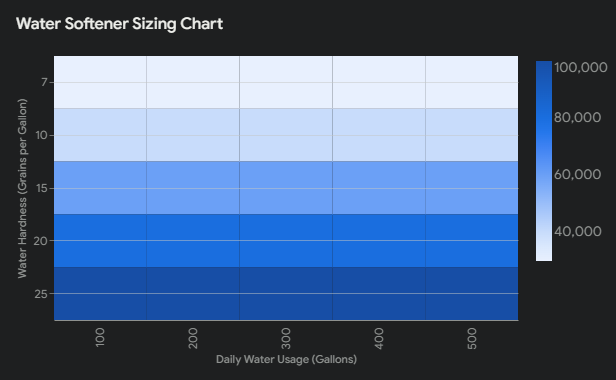
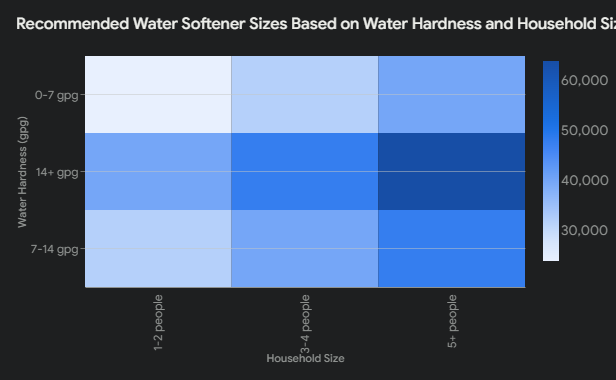
Water_Softener_Sizing_Chart Determining the ideal water softener size for your home requires a bit of calculation, but don’t worry, we’ll guide you through it. The core principle is simple: the size of your softener should be based on your daily water usage and the hardness of your water. The basic formula for calculating the required softener capacity is: (Daily water usage in gallons) x (Water hardness in gpg) = Daily grain removal needed For example, if your household uses 250 gallons of water per day and your water hardness is 10 gpg, your softener needs to remove 2500 grains of hardness daily (250 gallons x 10 gpg = 2500 grains). However, this calculation only represents the minimum capacity needed. It’s recommended to choose a softener with a capacity that exceeds this number by 20-30% to account for fluctuations in water usage and ensure the softener isn’t constantly regenerating. In our example, a softener with a capacity of 3,125 to 3,750 grains would be more appropriate.

Water Softener Capacity

Water softener capacity is typically measured in grains. It indicates the amount of hardness minerals the resin beads inside the softener can remove before needing regeneration. Softeners are available in various sizes, ranging from small units for single-person households to larger systems for families or businesses.

Regeneration Frequency

Another factor to consider is regeneration frequency. Water softeners regenerate to flush out the accumulated hardness minerals and recharge the resin beads. The frequency of regeneration depends on the softener’s capacity and your water usage. Smaller softeners with lower capacities will need to regenerate more often than larger ones.

Water Softener Sizing Calculator

To simplify the sizing process, you can use our free water softener sizing calculator at WaterSoftenerSizing.com. This tool takes into account your household size, estimated water usage, and water hardness to recommend an appropriate softener size.

Consultation with Experts

While online calculators are helpful, we strongly recommend consulting with a water treatment professional for a precise and personalized sizing recommendation. They can perform a comprehensive water test, analyze your specific water usage patterns, and recommend the ideal softener size and model for your needs. A professional can also provide valuable advice on installation, maintenance, and troubleshooting.

Can a Water Softener Be Too Small?

Yes, a water softener can definitely be too small for your household’s needs. When a softener is undersized, it will struggle to keep up with the demand for soft water, leading to a variety of issues.

Consequences of Undersizing

The most immediate consequence of an undersized softener is frequent regeneration. Because the resin bed becomes saturated quickly, the softener will need to regenerate more often to continue providing soft water. This not only wastes water and salt but also puts extra wear and tear on the system, potentially shortening its lifespan. In addition to frequent regeneration, an undersized softener may not be able to fully remove hardness minerals from your water. This can lead to hard water symptoms reappearing, such as:

  • Soap Scum: Hard water reacts with soap to form a sticky residue that can build up on fixtures, skin, and hair.
  • Spotting on Dishes and Glassware: Hard water leaves behind unsightly spots and film after washing.
  • Dry, Itchy Skin and Dull Hair: Hard water can leave skin feeling dry and itchy and hair feeling dull and brittle.
  • Scale Buildup in Appliances: Mineral deposits can accumulate in appliances like water heaters, dishwashers, and washing machines, reducing their efficiency and lifespan.

Signs Your Softener is Too Small

If you’re experiencing any of these hard water symptoms despite having a water softener, it’s a sign that your softener might be too small. Other indicators include:

  • Salty Taste in Water: If your water softener is regenerating too often, you might notice a salty taste in your water.
  • Hard Water Spots Returning Quickly After Cleaning: If hard water spots reappear shortly after cleaning, it suggests that your softener isn’t fully treating your water.
  • Increased Water and Salt Usage: An undersized softener will use more water and salt due to frequent regeneration cycles.

If you suspect your water softener is undersized, it’s important to address the issue promptly. A water treatment professional can assess your water usage and hardness levels and recommend a more appropriately sized unit. Upgrading to a larger softener can eliminate hard water problems, improve the efficiency of your appliances, and save you money in the long run.

Water Conservation and Softener Sizing

While water softeners are designed to address hard water issues, it’s equally important to be mindful of your overall water consumption. Not only does water conservation help preserve this valuable resource, but it can also impact the size of the water softener you need. By reducing your daily water usage, you may be able to choose a smaller, more cost-effective softener.

High-Efficiency Appliances

One of the most effective ways to conserve water is to use high-efficiency appliances. These appliances are designed to use significantly less water than their traditional counterparts. For example:

  • High-Efficiency Washing Machines: Use up to 50% less water per load compared to standard models.
  • High-Efficiency Dishwashers: Use as little as 3 gallons of water per load, compared to 10 gallons or more for older models.
  • Low-Flow Toilets: Use 1.28 gallons per flush or less, compared to older toilets that can use 3.5 to 7 gallons per flush.

By upgrading to high-efficiency appliances, you can significantly reduce your household’s daily water usage. This can have a direct impact on the size of the water softener you need, potentially allowing you to choose a smaller unit.

Water-Saving Tips

In addition to using high-efficiency appliances, there are several other simple steps you can take to conserve water:

  • Fix Leaks Promptly: A leaky faucet can waste up to 3,000 gallons of water per year.
  • Take Shorter Showers: Aim for 5-minute showers and install a low-flow showerhead.
  • Turn Off the Tap While Brushing Teeth or Shaving: This can save up to 8 gallons of water per day.
  • Only Run the Dishwasher When Full: Avoid running half-loads and choose the shortest cycle that will get your dishes clean.
  • Water Your Lawn Efficiently: Water early in the morning or late in the evening to minimize evaporation, and consider using a smart irrigation system that adjusts watering based on weather conditions.

By implementing these water-saving practices, you can not only reduce your water bill but also potentially downsize the water softener you need. This translates to lower upfront costs and ongoing savings on salt and maintenance.

Does Softener Efficiency Impact Sizing?

Yes, the efficiency of a water softener can subtly influence the required size. Different types of water softeners, primarily salt-based and salt-free, have varying levels of efficiency in removing hardness minerals. Salt-Based Water Softeners are the most common type. They use ion exchange to replace calcium and magnesium ions with sodium ions. Salt-based softeners are highly efficient at removing hardness minerals, but they require regular replenishment of salt for regeneration. Salt-Free Water Softeners (also known as water conditioners) don’t actually remove hardness minerals. Instead, they alter the chemical structure of the minerals to prevent them from forming scale buildup. While salt-free systems don’t require salt, they are not as efficient as salt-based softeners in terms of softening the water.

Efficiency and Sizing

While both types of softeners can effectively address hard water issues, their efficiency can play a role in sizing. A more efficient salt-based softener might be able to handle a slightly higher grain load compared to a less efficient salt-free system with the same capacity. However, the impact of efficiency on sizing is generally minimal compared to the primary factors of water usage and hardness. The difference in efficiency between different models of salt-based softeners is usually not significant enough to warrant choosing a smaller size based solely on efficiency.

Choosing the Right Type of Softener

The choice between salt-based and salt-free softeners depends on your individual needs and preferences. Salt-based softeners are more efficient at softening water, but they require regular salt refills and may not be suitable for those on sodium-restricted diets. Salt-free systems don’t use salt and require less maintenance, but they might not be as effective in areas with very hard water. Ultimately, the best way to determine the right type and size of water softener for your home is to consult with a water treatment professional. They can assess your specific needs and recommend the most suitable solution based on your water usage, hardness level, and budget. No matter which type of softener you choose, proper sizing is crucial for ensuring optimal performance and avoiding issues like frequent regeneration and incomplete hardness removal. By carefully considering your water usage, hardness level, and the efficiency of the softener, you can ensure that your system effectively addresses your hard water problems and provides you with the soft, clean water you deserve.

Trust WaterSoftenerSizing.com for Your Water Softener Needs

At WaterSoftenerSizing.com, we understand that navigating the world of water softeners can be overwhelming. With so many factors to consider, choosing the right size and type of softener for your home can feel like a daunting task. That’s where our expertise comes in. We are a team of water treatment professionals dedicated to helping homeowners and businesses achieve perfectly softened water. Our mission is to empower you to make informed decisions about your water softener investment, ensuring you get the most out of your system.

Why Choose Us?

  • Expert Sizing Calculations: Our team utilizes advanced tools and industry-leading methodologies to accurately determine the ideal water softener size for your specific needs. We take into account your water hardness, daily water usage, household size, and specific appliances to provide precise recommendations.
  • Personalized Recommendations: We understand that every home is different. That’s why we offer personalized recommendations based on your unique water conditions and requirements. We’ll guide you through the selection process, helping you choose the best softener model for your budget and lifestyle.
  • Comprehensive Resources: Our website is a treasure trove of information on water softeners. We offer in-depth articles, guides, and FAQs to educate you on the benefits of softened water, how softeners work, and the different types available.
  • Partner Network: We collaborate with reputable water softener manufacturers and installers to ensure you have access to high-quality products and professional installation services. We can connect you with trusted partners in your area who can help you make your water softening dreams a reality.

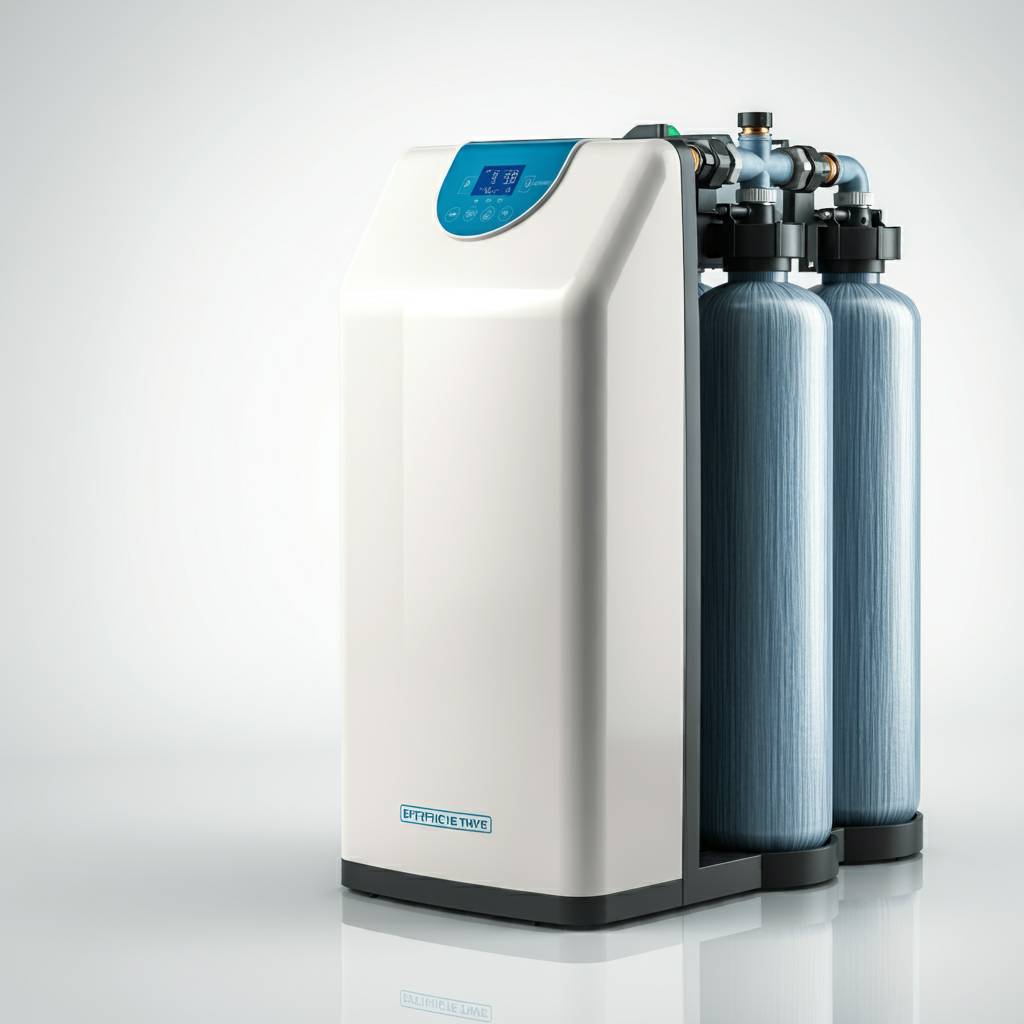
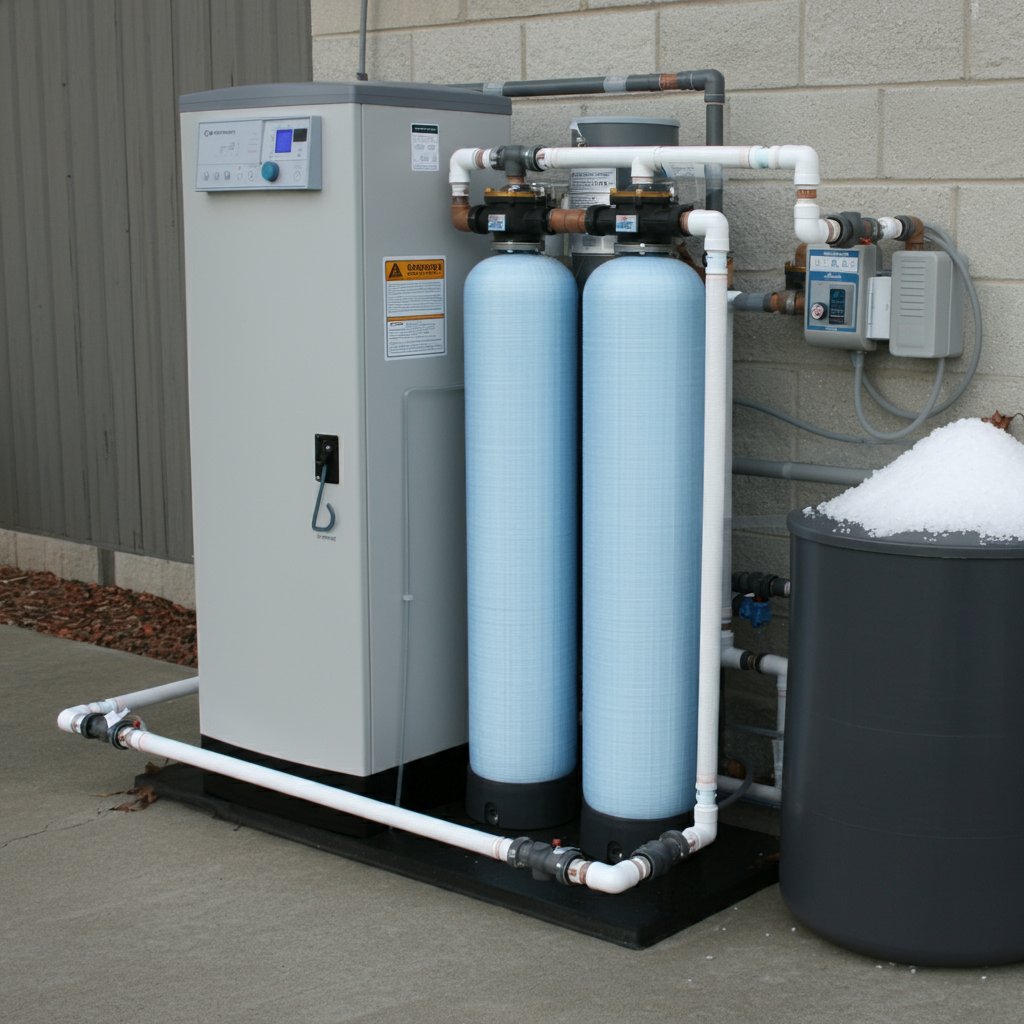
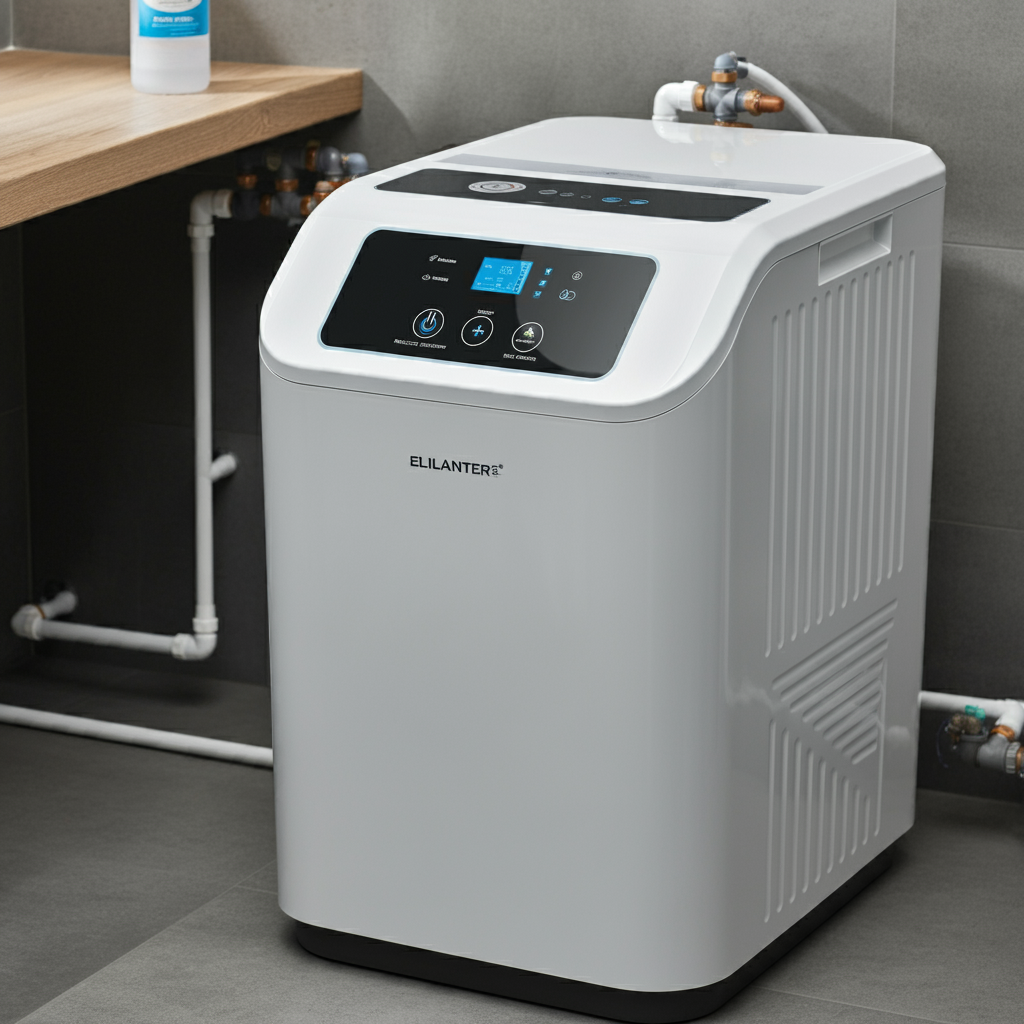
Whether you’re just starting your research or ready to purchase a water softener, WaterSoftenerSizing.com is here to help. Visit our website to use our free water softener sizing calculator, explore our comprehensive resources, or contact our experts for personalized assistance. We are committed to providing you with the knowledge, tools, and support you need to make an informed decision about your water softener and enjoy the benefits of soft, clean water for years to come. Properly sized water softener unit for efficient home water treatment

Your Path to Perfectly Sized Water Softening

Understanding your household’s daily water usage and local water hardness is paramount when selecting the right water softener. Remember, an undersized unit can lead to frequent regeneration, wasted resources, and the persistence of hard water problems. Conversely, an oversized softener is an unnecessary expense. By carefully considering your specific needs and consulting with experts, you can ensure that your water softener operates efficiently, effectively, and economically. Key Takeaways:

  • Daily water usage in the U.S. averages 82 gallons per person, but individual and household usage can vary significantly.
  • Showering, toilet flushing, and faucet use are the primary sources of household water consumption.
  • High-efficiency appliances can drastically reduce your water usage and potentially allow for a smaller water softener.
  • Water hardness, measured in grains per gallon (gpg), directly impacts the size and capacity of the softener you need.
  • A professional water test is the most accurate way to determine your water hardness.
  • Calculating the required softener size involves multiplying your daily water usage by your water hardness and adding a buffer for fluctuations.
  • Consulting a water treatment professional is the best way to get a precise and personalized sizing recommendation.
  • Water conservation practices can help reduce your water usage and potentially allow you to choose a smaller softener.

Take the Next Step Towards Softer Water

Ready to say goodbye to hard water problems? Let WaterSoftenerSizing.com help you find the perfect water softener for your home.

  1. Utilize our free water softener sizing calculator to get an initial estimate based on your household size and water hardness.
  2. Explore our comprehensive resources to learn more about water softeners, their benefits, and how to choose the right one.
  3. Contact our team of experts for personalized guidance and recommendations tailored to your specific needs.

Don’t let hard water compromise your quality of life. Take action today and experience the transformative power of soft water with a properly sized water softener from WaterSoftenerSizing.com.

How Does Household Size Influence Water Softener Sizing?

Does the size of your household determine the size of your water softener? Absolutely! The number of people living in your home directly impacts the amount of water you use, and this, in turn, dictates the capacity your water softener needs to effectively combat the pesky problems caused by hard water. At WaterSoftenerSizing.com, we understand that every family is different. That’s why we’re dedicated to helping you find the perfect water softener size that caters to your unique needs and ensures you enjoy the full benefits of soft, clean water. Hard water, water with high mineral content like calcium and magnesium, can wreak havoc on your home. It leaves behind unsightly soap scum, dries out skin and hair, and can even shorten the lifespan of your appliances and plumbing fixtures. A water softener, a device that removes these minerals through a process called ion exchange, is the solution to these woes. But choosing the right size is crucial. Think of your water softener like a sponge. It can only absorb a certain amount of “hardness” before it needs to be “wrung out” or regenerated. If your softener is too small for your household’s water usage, it will regenerate more frequently, consuming more salt and energy. On the other hand, an oversized softener is an unnecessary expense and may not operate efficiently. That’s where WaterSoftenerSizing.com comes in. We’ll guide you through the factors that influence water softener sizing, starting with the most crucial one: the number of people in your home. We’ll also delve into other important considerations like water hardness levels and appliance usage, ensuring you have all the information you need to make an informed decision.

Hard Water: Why Does it Matter?

Hard water, simply put, is water that contains a high concentration of dissolved minerals, primarily calcium and magnesium. While these minerals aren’t harmful to ingest, their presence can cause a myriad of problems throughout your home. Soap doesn’t lather as easily in hard water, leaving behind a sticky residue known as soap scum on your skin, hair, and bathroom fixtures. This film not only looks unpleasant but can also clog pores and contribute to dry skin and hair. Over time, hard water can even damage your appliances and plumbing. The mineral deposits can build up inside pipes, reducing water flow and efficiency. In water heaters, these deposits form a layer of scale that forces the appliance to work harder, consuming more energy and potentially shortening its lifespan. The Water Quality Association (WQA), a leading organization in the water treatment industry, reports that over 85% of American homes have hard water. This widespread issue affects homeowners across the country, from the Midwest, known for its particularly hard water, to areas relying on well water, which often has higher mineral content. Water softeners, offered by manufacturers like SoftPro, Kinetico, and Culligan, provide an effective solution to these hard water challenges. By removing calcium and magnesium through a process called ion exchange, water softeners transform harsh water into soft, luxurious water that’s better for your home, appliances, and family. Unlike water filters, which primarily remove sediment and contaminants, water softeners specifically target the minerals responsible for hardness. This focused approach ensures that your water is not only clean but also gentle on your skin, hair, and household fixtures. The result is a noticeable improvement in water quality, with benefits ranging from softer laundry and shinier dishes to reduced soap scum and longer-lasting appliances.

How Many Gallons Does Your Family Use?

The size of your household—the number of people living under your roof—is the single most significant factor influencing your daily water consumption. And since a water softener’s capacity is directly tied to how much water it needs to treat, understanding your household’s water usage is crucial in determining the appropriate size for your softener. Different water softener sizes to accommodate various household needs

Average Water Consumption per Person

On average, an individual in the United States uses about 80-100 gallons of water per day. This includes water for drinking, cooking, bathing, washing clothes, and flushing toilets. However, this is just an average, and actual usage can vary significantly depending on individual habits, climate, and regional water rates. For instance, a family living in a hot climate like Arizona might use more water for showers and lawn irrigation than a family in a cooler region like Maine. Similarly, someone who takes long showers or frequently waters their garden will naturally use more water than someone who conserves water.

Household Size and Total Usage

To estimate your household’s total daily water usage, multiply the average water consumption per person by the number of people in your home. For example, a family of four would use an estimated 320-400 gallons of water per day (80-100 gallons/person x 4 people). It’s important to note that this is just a starting point. You’ll need to consider other factors that can influence your water usage, such as:

  • Guests: If you frequently have guests, factor in their water usage as well.
  • Pets: Pets also contribute to water usage, especially if you have a large dog that enjoys baths.
  • Appliances: High-efficiency appliances like low-flow toilets and showerheads can help reduce water usage, while older models may consume more.

Peak Usage Times

Water usage isn’t evenly distributed throughout the day. Most households experience peak usage times, usually in the morning and evening, when people are getting ready for the day or winding down for the night. This means your water softener will need to handle a higher demand during these peak times. Understanding your household’s water usage patterns is essential for choosing a water softener with the right capacity and flow rate to meet your needs, even during peak hours. By accurately assessing your water usage, you can ensure that your softener is always ready to deliver soft, clean water when you need it most.

Understanding Water Softener Capacity: It’s All About the Grains

When it comes to water softeners, size isn’t measured in inches or feet, but rather in grains. This seemingly peculiar unit is the industry standard for measuring a water softener’s capacity, specifically its ability to remove hardness minerals from your water supply before it needs to regenerate.

What are Grains?

In the context of water softening, a grain is a unit of weight equivalent to 64.8 milligrams. It represents the amount of calcium carbonate (the primary mineral causing hardness) that a softener can remove. A water softener’s capacity, typically measured in thousands of grains, indicates how much hardness it can handle before it needs to be refreshed through a regeneration cycle.

Common Softener Sizes

Water softener sizes typically range from 24,000 grains to 80,000 grains or more. A 32,000-grain water softener, for example, can remove 32,000 grains of hardness minerals before it needs to regenerate. The appropriate size for your home depends on several factors, including household size, water hardness, and daily water usage.

Calculating Your Needs

Determining the right softener size involves a simple calculation that combines your household’s daily water usage and your water’s hardness level.

  1. Daily Water Usage: As discussed in the previous section, you can estimate your household’s daily water usage by multiplying the average water consumption per person by the number of people in your home.
  2. Water Hardness: Your water hardness level, measured in grains per gallon (GPG), indicates the concentration of hardness minerals in your water. You can obtain this information through a simple water test, which can be performed by a plumber or with an at-home kit.
  3. Calculation: To determine your daily softening requirement (in grains), multiply your daily water usage (in gallons) by your water hardness (in GPG). For example, a family of four using 300 gallons of water per day with 10 GPG hardness would need a softener capable of removing 3,000 grains daily (300 gallons x 10 GPG = 3,000 grains).

To simplify this process, WaterSoftenerSizing.com offers a user-friendly water softener size calculator that considers your household size, water hardness, and other relevant factors. This tool provides a personalized recommendation for the ideal softener size to meet your specific needs.

Water Softener Sizing Recommendations: A Guide for Every Family

Now that we understand how household size and water hardness affect your water softener needs, let’s explore specific recommendations for different family sizes. Remember, these are general guidelines, and your ideal softener size may vary depending on your unique water usage and hardness levels. For a more precise estimate, use our free water softener size calculator or consult with a water treatment professional.

1-2 People

For smaller households of 1-2 people, a water softener with a capacity of 24,000 to 32,000 grains is often sufficient. However, the exact size will depend on your water hardness:

  • Soft Water (0-3 GPG): A 24,000-grain softener is usually adequate.
  • Moderately Hard Water (3-7 GPG): A 32,000-grain softener may be necessary.
  • Hard Water (7+ GPG): A 48,000-grain softener might be required.

3-4 People

Households with 3-4 people typically require a water softener with a capacity of 32,000 to 48,000 grains:

  • Soft Water (0-3 GPG): A 32,000-grain softener can usually handle the demand.
  • Moderately Hard Water (3-7 GPG): A 48,000-grain softener is a good option.
  • Hard Water (7+ GPG): A larger softener, such as a 64,000-grain model, might be necessary.

5+ People

Larger households with 5 or more people will likely need a water softener with a capacity of 48,000 grains or higher:

  • Soft Water (0-3 GPG): A 48,000-grain softener can be sufficient.
  • Moderately Hard Water (3-7 GPG): Consider a 64,000-grain or larger softener.
  • Hard Water (7+ GPG): A larger softener, such as an 80,000-grain model, may be required, and more frequent regeneration cycles might be necessary.

Customizable Solutions

Remember, these are just general recommendations. Your individual needs may vary depending on your specific water usage habits and the hardness of your water. To determine the most suitable size for your home, we recommend using our water softener size calculator or consulting with a plumber or water treatment professional. They can assess your specific needs and provide tailored recommendations to ensure you invest in a water softener that perfectly matches your household’s requirements.

More Than Just Family Size: Additional Considerations

While household size is a primary factor in water softener sizing, it’s not the sole determinant. Several other factors can influence your water softener needs and should be considered when selecting the right size for your home.

Your Water Hardness Level:

Water hardness plays a significant role in determining the appropriate softener size. The harder your water, the more minerals it contains, and the more frequently your softener will need to regenerate. Therefore, households with very hard water will typically require larger softeners than those with softer water, even if the household sizes are similar. For example, a family of four with moderately hard water (5 GPG) might be well-served by a 48,000-grain softener. However, if that same family has very hard water (15 GPG), they might need a larger 64,000-grain softener to effectively remove the increased mineral content.

High-Efficiency Appliances:

High-efficiency appliances, such as low-flow toilets, showerheads, and washing machines, can significantly reduce your household’s overall water usage. While this is excellent for conservation, it can also influence the size of the water softener you need. If your home is equipped with numerous high-efficiency appliances, you might be able to opt for a smaller softener than initially estimated based solely on household size. It’s essential to consider the water-saving benefits of these appliances when calculating your daily water usage and determining your softener size.

Future Family Plans:

If you’re planning to expand your family in the near future or anticipate having more frequent guests, it’s wise to factor in this potential increase in water usage when choosing a water softener. For instance, if you currently have a family of three but are expecting another child soon, you might want to select a softener that can accommodate the water usage of a family of four. This will ensure that your softener can adequately handle the increased demand as your household grows. By taking these additional factors into account, you can refine your water softener sizing calculation and select a model that not only meets your current needs but also adapts to your household’s evolving water usage patterns. Remember, choosing the right size water softener is an investment in your home’s comfort, efficiency, and long-term value. At WaterSoftenerSizing.com, we encourage you to utilize our comprehensive resources and tools to make an informed decision. Our free water softener size calculator and expert consultations can help you navigate these factors and find the perfect softener size for your unique situation.

Need Expert Advice? We’re Here to Help!

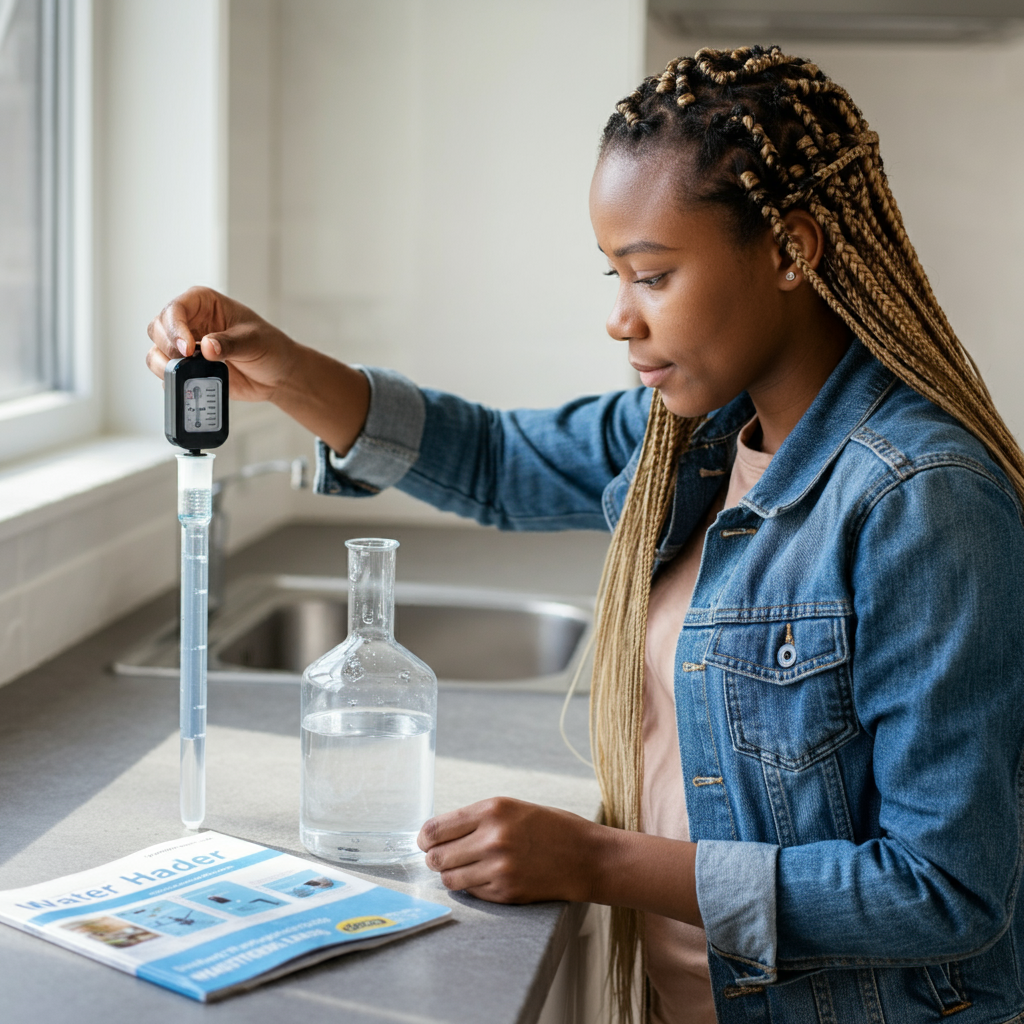
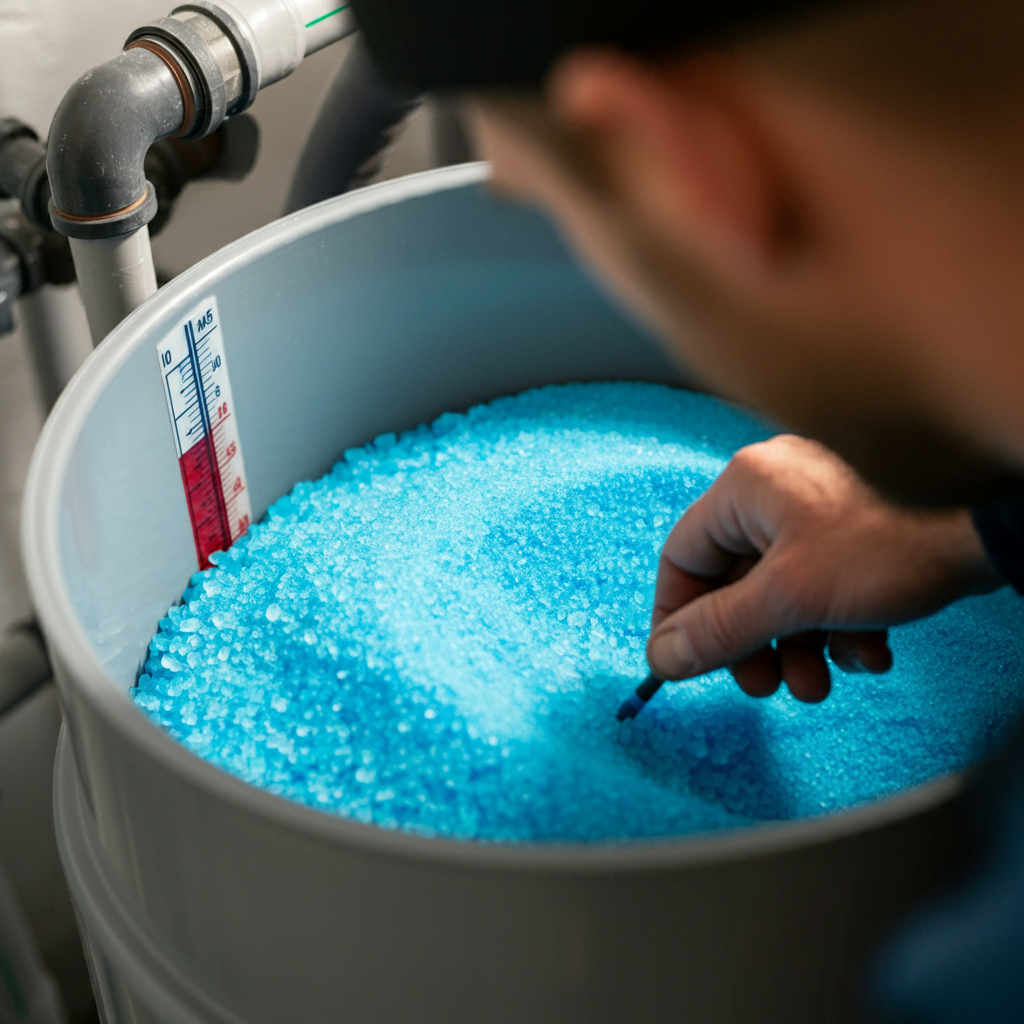
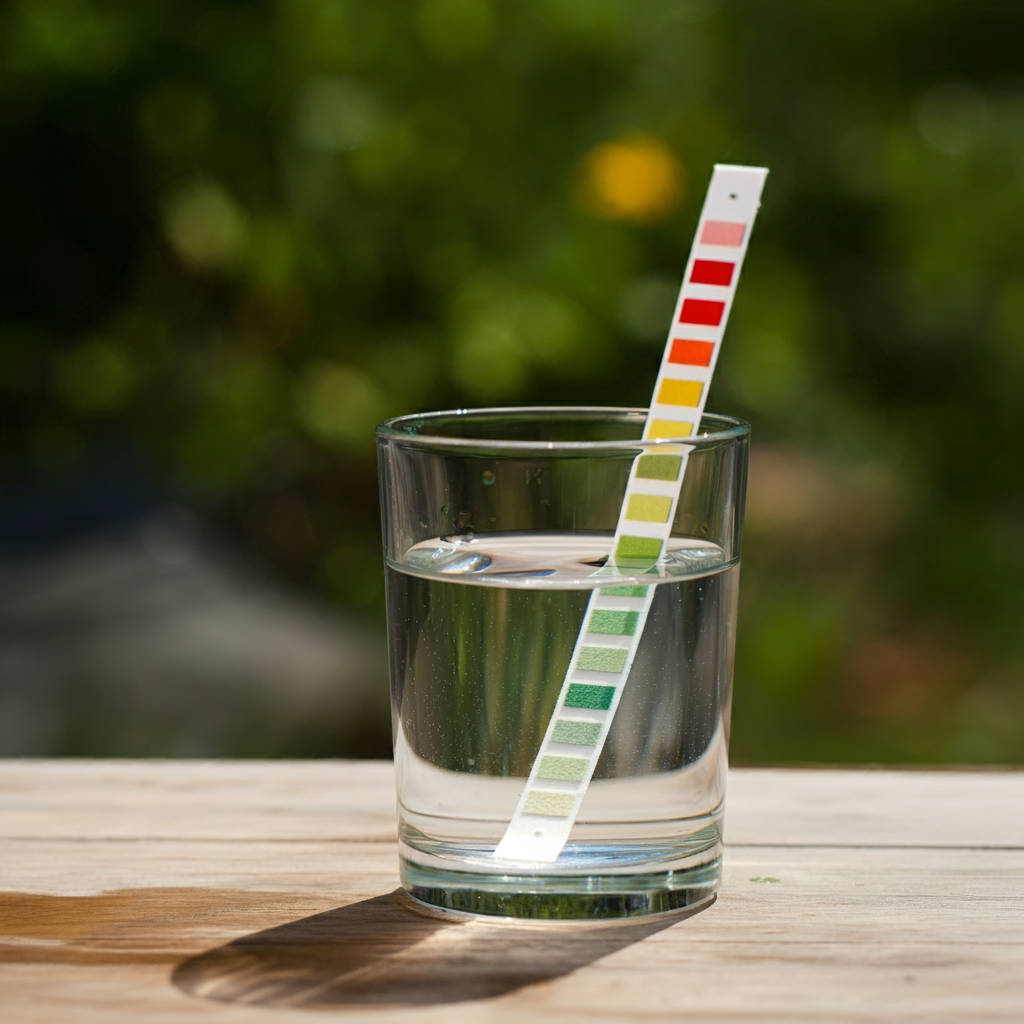
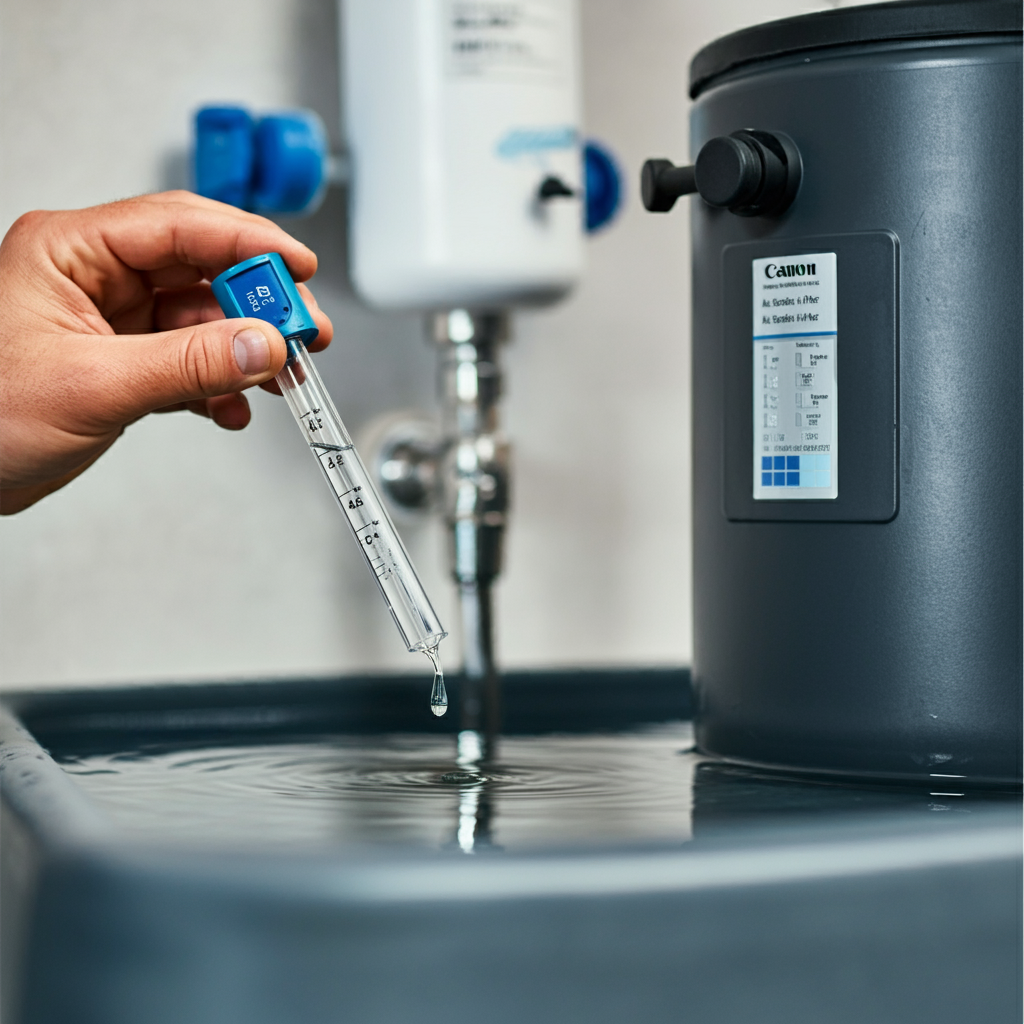
Determining the perfect water softener size for your home can feel overwhelming with so many factors to consider. But don’t worry, you don’t have to navigate this process alone. At WaterSoftenerSizing.com, we’re committed to making your journey towards softer water as smooth as possible. Testing water hardness to determine appropriate water softener size

Plumber Consultation

One of the most crucial steps in the water softener sizing process is accurately measuring your water hardness. A licensed plumber can perform a professional water test, providing you with precise data on the mineral content of your water. This information is essential for calculating the correct softener size. Plumbers, also known as plumbing professionals, are skilled tradespeople who specialize in installing, maintaining, and repairing plumbing systems. Their expertise extends to water treatment solutions, including water softeners. A consultation with a plumber can provide valuable insights into your home’s specific water conditions and help you choose a softener that’s right for you.

WaterSoftenerSizing.com’s Expertise

Our team of experienced water treatment professionals is well-versed in the intricacies of water softener sizing. We understand that every home is unique, and we take a personalized approach to each consultation. When you reach out to us, we’ll ask you a series of questions about your household size, water usage habits, and any specific concerns you have about your water. Based on this information, we’ll utilize our in-depth knowledge and industry-leading tools to calculate the ideal water softener size for your home.

Our Partner Network

We’ve established partnerships with reputable water softener manufacturers and installers across the country. This means that we can connect you with trusted professionals who offer high-quality products and reliable installation services. Our commitment to collaboration ensures that you have access to the best solutions available in the market. Whether you’re a homeowner seeking softer water for your family or a business owner looking to protect your equipment and improve efficiency, WaterSoftenerSizing.com is your trusted partner in water softening success. We’re dedicated to providing you with the knowledge, tools, and resources you need to transform your water quality and enhance your daily life.

Making the Right Choice: Your Path to Softer Water

Choosing the right water softener size is a crucial decision for any household or business grappling with hard water issues. As we’ve explored, the size of your family significantly influences the capacity your softener needs to effectively remove hardness minerals and deliver the soft, clean water you desire. The amount of water your household uses daily, combined with the hardness level of your water, determines the ideal size for your softener. For smaller households, a softener with a capacity of 24,000 to 32,000 grains may suffice, while larger families might require 48,000 grains or more. However, it’s important to remember that these are just general guidelines. Factors like water hardness, the presence of high-efficiency appliances, and future household growth can all influence your specific needs. At WaterSoftenerSizing.com, we’re here to simplify this process and guide you towards the perfect water softener solution. Our free water softener size calculator and expert consultations take the guesswork out of sizing, ensuring you invest in a system that’s perfectly tailored to your home.

Key Takeaways

  • Household Size Matters: The number of people in your home directly impacts your water usage and, consequently, the size of the water softener you need.
  • Water Hardness Plays a Role: Harder water requires a larger softener to effectively remove minerals and prevent frequent regeneration cycles.
  • Consider All Factors: High-efficiency appliances and future household growth can influence your softener size needs.
  • Consult the Experts: A professional water test and consultation with a plumber or water treatment specialist can provide accurate data and personalized recommendations.

Are you ready to transform your water and experience the benefits of soft, clean water throughout your home? Take the first step by using our water softener size calculator or contacting our team of experts. We’re committed to helping you find the ideal water softener size for your family’s needs and budget.

How Often Should I Regenerate My Water Softener Based on Water Hardness and Softener Size?

How often you should regenerate your water softener isn’t a one-size-fits-all answer. The ideal frequency hinges on two primary factors: the hardness of your water and the size of your water softener. At WaterSoftenerSizing.com, we specialize in helping you find the perfect balance, ensuring your water is soft, your appliances are protected, and your softener operates at peak efficiency. Water hardness, measured in grains per gallon (gpg), indicates the concentration of dissolved minerals like calcium and magnesium. Higher hardness levels require more frequent regeneration to prevent mineral buildup from overwhelming the softener’s resin beads. Softener size, measured in grain capacity, dictates how much hardness the system can remove before needing to reset. Larger softeners can naturally go longer between regenerations. This interplay between hardness and size is crucial. A small softener battling very hard water might need to regenerate every few days, while a large unit in a home with moderately hard water could go a week or more. That’s why a personalized approach, like the one we offer, is essential. Our goal is to empower you with the knowledge to make informed decisions about your water softener. Understanding the factors that influence regeneration frequency is the first step towards enjoying the full benefits of soft water: from luxuriously soft skin and hair to sparkling dishes and longer-lasting appliances. Throughout this guide, we’ll delve into these factors, providing you with clear guidelines, practical tips, and expert advice to ensure your water softener is always working its best.

Understanding Water Hardness and Its Impact

Water hardness, a common concern for homeowners and businesses, is the concentration of dissolved minerals in your water supply. The primary culprits behind hard water are calcium and magnesium, though other minerals like iron can also contribute. Water hardness is typically measured in grains per gallon (gpg) or parts per million (ppm). The Water Quality Association (WQA), a leading authority in water treatment, provides a standardized scale to classify water hardness:

  • Soft Water: 0-3 gpg
  • Slightly Hard Water: 3-7 gpg
  • Moderately Hard Water: 7-10 gpg
  • Hard Water: 10-20 gpg
  • Very Hard Water: 20+ gpg

While hard water is generally safe to drink, its high mineral content can cause a host of problems. Soap doesn’t lather as well, leading to soap scum buildup on fixtures and dry, itchy skin. Hard water can also leave spots on dishes and glasses, clog pipes, and shorten the lifespan of water-using appliances like washing machines and dishwashers.

How Does Water Hardness Affect Regeneration Frequency?

Your water hardness level directly influences how often your water softener needs to regenerate. The regeneration process involves flushing the resin beads inside the softener with a salt solution (brine) to remove the accumulated minerals. Harder water means your softener’s resin beads will become saturated with minerals more quickly. As a result, you’ll need to regenerate more frequently to maintain the softener’s effectiveness. For example, a home with very hard water (20+ gpg) might need to regenerate its softener every 2-3 days, while a home with soft water (0-3 gpg) might only need to regenerate every 21 days or even longer. Understanding your water hardness is crucial in determining the appropriate regeneration frequency for your specific situation. You can obtain a water hardness test kit from a home improvement store or have your water tested by a professional plumber or water treatment specialist. At WaterSoftenerSizing.com, we can help you analyze your water test results and determine the ideal softener size and regeneration schedule to effectively combat your hard water challenges.

The Role of Softener Size in Regeneration

While water hardness is a major factor, it’s not the sole determinant of your regeneration frequency. The size of your water softener plays an equally important role. Softener size is typically measured in grains – not to be confused with grains per gallon (gpg), which measures hardness. This grain capacity indicates the total amount of hardness minerals a softener can remove before it needs to be regenerated. Think of your softener like a sponge. A larger sponge can absorb more water before it becomes saturated. Similarly, a larger softener, with a higher grain capacity, can handle more hard water before its resin beads are exhausted and require regeneration. A common misconception is that a larger softener is always better. However, an oversized unit can lead to inefficient salt and water usage during regeneration. Conversely, an undersized softener will regenerate too frequently, consuming excessive salt and potentially shortening its lifespan.

The Relationship Between Softener Size and Regeneration Frequency

Just as a larger water softener can handle more hard water, it can also go longer between regenerations. A properly sized softener should be able to accommodate several days of average water usage before needing to regenerate. To estimate how many days your softener can go between regenerations, you can use the following calculation: (Softener Capacity in Grains) / (Daily Water Usage in Gallons x Hardness in GPG) = Days Between Regeneration   For example, let’s say you have a 40,000-grain softener, a family of four using 80 gallons of water per person per day, and a water hardness level of 10 gpg. 40,000 grains / (4 people * 80 gallons/person * 10 gpg) = 12.5 days   This means your softener would theoretically need to regenerate every 12.5 days. However, it’s important to note that this is just an estimate. Factors like fluctuations in water usage and hardness can affect the actual frequency. At WaterSoftenerSizing.com, we take a more comprehensive approach. Our expert team considers your household size, daily water usage, specific appliances (like high-efficiency washing machines), and even future needs (like potential changes in household size) to recommend the ideal softener size for your home. Remember, choosing the right softener size is crucial not only for optimal regeneration frequency but also for ensuring efficient salt and water usage and maximizing the lifespan of your system. Close-up view of resin beads used in a water softener to remove minerals

General Guidelines for Regeneration Frequency

While the exact regeneration frequency for your water softener is best determined through personalized assessment, we can provide some general guidelines based on water hardness and softener size. Please note that these are estimates, and your actual regeneration needs may vary.

Water Hardness (gpg) Softener Size (Grains) Estimated Regeneration Frequency
0-3 (Soft) All Sizes 21+ days
3-7 (Slightly Hard) 24,000 14-21 days
3-7 (Slightly Hard) 32,000 21-28 days
3-7 (Slightly Hard) 48,000 30+ days
7-10 (Moderately Hard) 24,000 7-10 days
7-10 (Moderately Hard) 32,000 10-14 days
7-10 (Moderately Hard) 48,000 14-21 days
10-20 (Hard) 24,000 3-5 days
10-20 (Hard) 32,000 5-7 days
10-20 (Hard) 48,000 7-10 days
20+ (Very Hard) 24,000 2-3 days
20+ (Very Hard) 32,000 3-4 days
20+ (Very Hard) 48,000 4-6 days

It’s crucial to remember that these are just estimates. Several factors can influence your actual regeneration needs:

  • Household Size: Larger households naturally use more water, which can necessitate more frequent regeneration.
  • Water Usage Habits: If you frequently do laundry, wash dishes, or take long showers, your softener may need to regenerate more often.
  • Seasonal Variations: Water hardness can fluctuate throughout the year, impacting regeneration frequency.
  • Softener Efficiency: The age and condition of your softener can also play a role. Older softeners may not be as efficient and may require more frequent regeneration.

To fine-tune your regeneration schedule, consider using the calculation mentioned earlier: (Softener Capacity in Grains) / (Daily Water Usage in Gallons x Hardness in GPG) = Days Between Regeneration   This will give you a more personalized estimate based on your specific circumstances. Additionally, many modern water softeners, like those from Fleck and Kinetico, come equipped with smart technology that can monitor your water usage and automatically adjust regeneration cycles to optimize efficiency. If you’re unsure about your water hardness or how to calculate your regeneration frequency, don’t hesitate to contact a water treatment specialist. They can conduct a professional water test and provide tailored recommendations for your softener settings.

Signs Your Water Softener Needs Regeneration

Even with a well-calculated regeneration schedule, it’s essential to be vigilant for signs that your water softener might need to regenerate sooner than expected. These signs can manifest as changes in your water quality or the behavior of your softener itself.

Hard Water Symptoms Reappear

The most obvious sign that your softener needs regeneration is the return of hard water symptoms. These symptoms can include:

  • Soap Scum: A filmy residue on bathroom fixtures, shower doors, and dishes.
  • Dry Skin and Hair: Hard water can leave skin feeling dry and itchy and hair feeling brittle.
  • Spotty Dishes and Glasses: Minerals in hard water can cause spots and streaks on dishes and glassware, even after washing.
  • Stiff Laundry: Hard water can make clothes feel rough and scratchy after washing.

If you notice any of these signs, it’s likely time to regenerate your softener, even if it hasn’t reached its scheduled regeneration time.

Salt Level Low in Brine Tank

The brine tank is a crucial component of your water softener, housing the salt solution (brine) used for regeneration. Check the salt level in the brine tank at least once a month. If the salt level is low, it’s time to refill it. The salt level should typically be above the water level in the brine tank. If the salt is completely dissolved and only water remains, it’s a clear indication that your softener needs salt to regenerate.

Softener Not Using Salt or Water

During a regeneration cycle, your softener should draw salt from the brine tank and water from your supply to create the brine solution. If you notice that the salt level isn’t decreasing or you don’t hear water flowing during regeneration, it could indicate a problem with the softener’s control valve, injector, or other components. In such cases, it’s best to consult your softener’s manual or contact a plumber or water treatment specialist to diagnose and fix the issue.

Softener Display Indicates Regeneration Needed

Many modern water softeners have digital displays that provide information about the system’s status. Some displays will explicitly indicate when regeneration is needed, while others may show error codes that suggest a problem that can be resolved through regeneration. If your softener has a display, consult the manual to understand the specific messages or codes related to regeneration.

Tips for Optimizing Water Softener Regeneration

While understanding the factors that influence regeneration frequency is crucial, implementing best practices can further optimize your water softener’s performance and longevity. By following these tips, you can ensure that your softener is always working at its peak efficiency.

Regularly Check Salt Level

Consistent monitoring of the salt level in your brine tank is essential. We recommend checking it at least once a month, or even more frequently if you have very hard water or a large household. The salt level should ideally be above the water level in the tank. If the salt is depleted, refill it promptly to ensure your softener has enough salt for the next regeneration cycle.

Use High-Quality Salt

Not all water softener salts are created equal. The type of salt you use can impact the efficiency of your softener and the longevity of its components. We generally recommend using high-purity salt, such as evaporated salt pellets or solar salt crystals. These salts dissolve readily, minimize brine tank residue, and promote optimal softener performance. Avoid using rock salt, as it often contains impurities that can clog your softener and decrease its efficiency. If you’re unsure which type of salt is best for your softener, consult your owner’s manual or a water treatment specialist.

Consider a Metered Water Softener

Metered water softeners are a technologically advanced option that can significantly optimize regeneration. Unlike traditional timed softeners that regenerate on a fixed schedule, metered softeners monitor your actual water usage and regenerate only when necessary. This can save water, salt, and energy, making them a more efficient and environmentally friendly choice. Fleck and Kinetico, renowned manufacturers of water softening systems, offer a range of metered softeners with intelligent controls that adapt to your household’s specific water usage patterns.

Consult a Professional

While this guide provides a comprehensive overview of water softener regeneration, each home and water supply is unique. If you have any questions or concerns about your specific softener, don’t hesitate to consult a water treatment specialist. They can conduct a professional water test, assess your softener’s condition, and provide tailored recommendations for optimal settings and maintenance. At WaterSoftenerSizing.com, our team of experts is always ready to assist you. We offer personalized consultations and can help you select the right softener, determine the ideal regeneration frequency, and troubleshoot any issues that may arise. Modern digital control valve for setting water softener regeneration frequency

Your Path to Perfectly Soft Water

Mastering the art of water softener regeneration is key to enjoying the full benefits of soft water in your home or business. By understanding the interplay between water hardness, softener size, and regeneration frequency, you can optimize your system’s performance, extend its lifespan, and ensure consistently soft, mineral-free water. Remember, the ideal regeneration frequency isn’t a static number. It’s a dynamic variable influenced by your water hardness, softener capacity, household size, and water usage habits. Regular monitoring of your water quality and softener performance, coupled with adherence to best practices, will ensure your softener is always working at its peak efficiency.

Key Takeaways

  • Water Hardness Matters: The harder your water, the more frequently your softener will need to regenerate.
  • Size Up Your Softener: Choose a softener size that aligns with your water hardness and household needs to avoid over- or under-regeneration.
  • Follow the Guidelines: Use the provided table as a starting point for determining your regeneration frequency, but remember to adjust based on your specific circumstances.
  • Watch for Signs: Be vigilant for hard water symptoms, low salt levels, and unusual softener behavior.
  • Optimize Regeneration: Regularly check salt levels, use high-quality salt, consider a metered softener, and consult a professional if needed.

At WaterSoftenerSizing.com, we’re committed to helping you achieve perfectly soft water. Our expert team can provide personalized guidance on water softener selection, sizing, and maintenance. Let us help you unlock the full potential of your water softener and enjoy the numerous benefits of soft water for years to come. Ready to transform your water? Visit our website to use our free water softener sizing calculator, explore our educational resources, or contact our experts for personalized assistance. Your journey to softer, healthier water starts here.

How Does Water Softener Salt Usage Vary With Water Hardness and Softener Size?

The amount of salt your water softener uses isn’t a fixed number. It fluctuates depending on two primary factors: the hardness of your water and the size of your water softener. At WaterSoftenerSizing.com, we understand that softened water is essential for your home’s plumbing, appliances, and your overall comfort. Our expertise lies in accurately determining your unique water softening needs, ensuring you invest in a system that’s both efficient and effective. Hard water, laden with minerals like calcium and magnesium, can wreak havoc on your home. It leaves behind unsightly scale buildup, shortens the lifespan of appliances, and even affects the feel of your skin and hair. Water softeners combat this by replacing these harsh minerals with sodium through a process called ion exchange. This process, however, requires salt to regenerate the softener’s resin beads, which are responsible for attracting and removing the minerals. Understanding the interplay between water hardness, softener size, and salt consumption is crucial in choosing the right system and managing its operation. Water hardness, measured in grains per gallon (gpg), varies significantly across regions and even within the same city. The higher the hardness, the more frequently your softener will need to regenerate, consuming more salt in the process. Similarly, the size of your water softener, measured in grains, determines how much hardness it can remove before requiring regeneration. An undersized softener will regenerate more often, using more salt, while an oversized one might not regenerate frequently enough, leading to inefficient salt use and potential hard water breakthrough. Navigating the complexities of water softener salt usage can be daunting, but it doesn’t have to be. We’re here to guide you through the intricacies, empowering you to make informed decisions about your water softening system. In the following sections, we’ll delve deeper into how water softeners work, the nuances of water hardness, the impact of softener size, and most importantly, how to calculate and optimize your salt usage. Our goal is to equip you with the knowledge and tools necessary to enjoy the benefits of softened water without the guesswork.

How Do Water Softeners Work? (And Why Salt is Essential)

At their core, water softeners are designed to tackle the pesky issue of hard water. But to understand their salt consumption, we need to grasp how these appliances work.

The Ion Exchange Process

Water softeners operate on the principle of ion exchange. Inside the softener, you’ll find a mineral tank filled with tiny resin beads. These beads carry a negative charge and are particularly attracted to positively charged ions like calcium (Ca2+) and magnesium (Mg2+) — the culprits behind water hardness. As hard water flows through the resin bed, the calcium and magnesium ions are pulled towards and stick to the beads, effectively swapping places with sodium (Na+) ions that were originally on the resin. This exchange leaves you with soft water, free from the minerals that cause scaling and buildup.

Regeneration: The Salt’s Time to Shine

Over time, the resin beads become saturated with calcium and magnesium, losing their effectiveness. This is where salt, either in the form of sodium chloride (NaCl) or potassium chloride (KCl), comes into play. The softener initiates a regeneration cycle, flooding the resin bed with a highly concentrated salt solution (brine) from the brine tank. The abundance of sodium ions in the brine dislodges the calcium and magnesium ions from the resin beads, reversing the ion exchange process. The hardness minerals are then flushed out as wastewater, leaving the resin refreshed and ready to soften more water.

The Salt-Resin Relationship

The frequency of regeneration cycles, and therefore salt usage, depends on several factors, including:

  • Resin Capacity: The total capacity of the resin beads to hold hardness minerals before needing regeneration is measured in grains. Larger softeners with more resin can go longer between regenerations.
  • Water Usage: The more water you use, the faster the resin beads become saturated, requiring more frequent regeneration.

To illustrate, imagine two households:

  1. Household A: Has a small softener (24,000 grains) and high water usage. Their softener may need to regenerate every few days.
  2. Household B: Has a larger softener (48,000 grains) and moderate water usage. They might only regenerate once a week.

This difference in regeneration frequency directly translates to varying salt consumption. Household A will inevitably use more salt than Household B due to the increased regeneration cycles.

Understanding Water Hardness: What’s Your Number?

Water hardness, a common term in the water treatment industry, refers to the concentration of dissolved minerals, primarily calcium and magnesium, in your water supply. The level of hardness is measured in grains per gallon (gpg), with higher numbers indicating harder water.

Grains Per Gallon (GPG): The Universal Measure of Hardness

The grains per gallon (gpg) unit quantifies the amount of dissolved calcium carbonate equivalent to one grain (64.8 milligrams) per gallon of water. This standard unit allows for easy comparison of water hardness levels across different regions and water sources.

  • Soft water: 0-3 gpg
  • Slightly hard water: 3-7 gpg
  • Hard water: 7-10.5 gpg
  • Very hard water: 10.5+ gpg

The U.S. Geological Survey (USGS) provides a Water Hardness map that outlines the varying levels of water hardness throughout the United States. However, it’s important to note that hardness can fluctuate even within a city, depending on the source of your water and local geological factors. To accurately determine your water hardness, you can utilize a home water testing kit, consult a water treatment professional for a detailed analysis, or request a water quality report from your local water utility.

Why Water Hardness Matters

The level of hardness in your water directly impacts your daily life. Hard water leaves behind limescale deposits on fixtures, faucets, and appliances. Over time, this buildup can decrease the efficiency and lifespan of your water heater, dishwasher, washing machine, and other water-using appliances. Additionally, hard water can make soap less effective, leading to dry skin and hair, dingy laundry, and spotty dishes. To illustrate, consider these scenarios:

  1. Scenario 1: A household with very hard water (15 gpg) may find their water heater failing within a few years due to excessive scale buildup.
  2. Scenario 2: A household with soft water (1 gpg) will likely enjoy longer-lasting appliances and avoid the nuisances of soap scum and limescale.

Types of water softener salt pellets crystals blocks

Does Softener Size Really Matter for Salt Usage?

Absolutely! The size of your water softener plays a pivotal role in determining its salt consumption. Softener size, measured in grains, reflects the system’s capacity to remove hardness minerals from your water before requiring regeneration. The higher the grain capacity, the more minerals it can hold and the longer it can operate between regeneration cycles.

Grain Capacity: Your Softener’s Storage for Hardness

Think of the softener’s grain capacity as a bucket. A larger bucket can hold more water before overflowing, just as a larger softener can remove more hardness minerals before needing to be refreshed with salt. This means that a properly sized softener, tailored to your water hardness and household usage, can significantly impact salt consumption. However, choosing the correct size is crucial. An undersized softener, like a small bucket, will quickly fill up with hardness minerals and require frequent regeneration, leading to increased salt usage. Conversely, an oversized softener may not regenerate often enough, resulting in inefficient salt utilization and potential “hard water breakthrough,” where untreated hard water passes through the system.

The Interplay of Size, Water Usage, and Regeneration

To illustrate, let’s consider two households with different softener sizes and water usage:

  1. Household A: Has a 32,000-grain water softener and a family of four, using an average of 300 gallons of water per day. With moderately hard water (10 gpg), this softener might regenerate every 3-4 days.
  2. Household B: Also has a family of four, but they use less water (200 gallons per day) and have a larger 48,000-grain softener. Even with the same water hardness (10 gpg), this softener might regenerate only once a week.

Clearly, Household A’s softener, despite having a smaller household size, would consume more salt annually due to its smaller capacity and the resulting more frequent regeneration cycles.

Water Softener Sizing: The Key to Optimized Salt Use

It’s evident that selecting the right softener size for your specific needs is paramount for managing salt consumption. Oversizing or undersizing your system can lead to unnecessary salt waste and potential hard water issues. At WaterSoftenerSizing.com, we specialize in providing accurate, personalized sizing recommendations, ensuring that your softener operates efficiently and minimizes salt usage. By taking into account factors such as your water hardness, daily water usage, household size, and specific appliances, we can guide you towards a softener that perfectly balances performance and salt efficiency. Our expert sizing calculations and personalized recommendations guarantee that you invest in a system that delivers optimal results and long-term value. Remember, an appropriately sized softener is not only an investment in your home’s plumbing and appliances but also a conscious choice towards responsible salt usage and environmental sustainability.

Calculating Your Water Softener’s Salt Consumption

Understanding how much salt your water softener uses is essential for both budgeting and environmental consciousness. While the exact amount varies, we can estimate your softener’s salt consumption using a few key factors.

The Salt Usage Formula

A general rule of thumb suggests that for every grain per gallon (gpg) of hardness removed per 1,000 gallons of water, a water softener uses approximately 15 pounds of salt. We can express this relationship in a simple formula: Salt Usage (lbs) = (Water Hardness (gpg) * Water Usage (gallons)) / 1,000 * 15   Let’s apply this formula to two different scenarios:

  1. Scenario 1: High Hardness, Large Family: A family of five living in an area with very hard water (15 gpg) and using 400 gallons of water per day would use approximately 360 pounds of salt per year.
  2. Scenario 2: Moderate Hardness, Smaller Household: A couple living in an area with moderately hard water (8 gpg) and using 200 gallons of water per day would use approximately 96 pounds of salt per year.

These examples demonstrate how water hardness and usage significantly impact salt consumption. It’s important to note that this is a simplified calculation. Actual salt usage can be influenced by additional factors, such as softener efficiency, salt type, and regeneration settings.

Beyond the Basics: Additional Factors Affecting Salt Usage

  • Softener Efficiency: High-efficiency water softeners, like the Culligan HE Series, are designed to optimize salt usage during regeneration, often consuming less than 15 pounds of salt per 1,000 grains of hardness removed.
  • Salt Type: While sodium chloride (NaCl) is the most common type of water softener salt, potassium chloride (KCl) can be used as a substitute for individuals on sodium-restricted diets. However, KCl is less efficient than NaCl, requiring approximately 1.5 times more salt for the same softening capacity.
  • Regeneration Settings: Most modern softeners allow for adjustable regeneration settings. While more frequent regenerations ensure consistently soft water, they also lead to increased salt consumption. Conversely, less frequent regenerations might conserve salt but could result in occasional hard water breakthrough.

Finding Your Salt Usage Sweet Spot

At WaterSoftenerSizing.com, we can help you fine-tune your softener settings and recommend the optimal salt type for your specific needs. Our goal is to strike the perfect balance between water softness, salt efficiency, and environmental considerations. By analyzing your water usage patterns and hardness levels, we can help you calculate a more precise estimate of your annual salt consumption and explore potential strategies for optimization. Remember, understanding your water softener’s salt usage isn’t just about managing costs. It’s also about minimizing your environmental impact. By optimizing your softener’s operation, you can reduce salt waste and contribute to a more sustainable approach to water treatment.

Optimizing Salt Usage: Tips to Save Money and the Environment

While the relationship between water hardness, softener size, and salt usage is undeniable, there are several strategies you can implement to optimize your salt consumption, save money, and reduce your environmental impact.

1. Fine-Tune Your Softener Settings

Modern water softeners, such as those offered by Kinetico and EcoWater Systems, often come equipped with adjustable regeneration settings. These settings allow you to control the frequency of regeneration cycles based on your actual water usage patterns. By analyzing your household’s water consumption and adjusting the settings accordingly, you can avoid unnecessary regenerations, thus conserving salt.

2. Invest in a High-Efficiency Water Softener

High-efficiency water softeners, like the Culligan HE Series, utilize advanced technologies to minimize both water and salt usage during regeneration. These softeners often employ counter-current regeneration, which flushes the resin bed in the opposite direction of service flow, ensuring a more thorough cleaning with less salt. While high-efficiency softeners may have a higher upfront cost, their long-term savings in salt and water can make them a worthwhile investment.

3. Choose the Right Salt

Not all water softener salt is created equal. Using high-purity salt, such as evaporated salt pellets or crystals, can improve softener efficiency and reduce salt bridging (the formation of a salt crust in the brine tank). While solar salt may be cheaper, it often contains impurities that can hinder softener performance and necessitate more frequent cleaning.

4. Regular Maintenance is Key

Maintaining your water softener is essential for optimal salt usage. Regularly check the brine tank level and refill it as needed to ensure adequate salt supply for regeneration. Additionally, periodic cleaning of the brine tank can prevent salt bridging, which can disrupt the regeneration process and lead to wasted salt. Scheduling annual maintenance with a qualified water treatment professional can also ensure your softener is operating at peak efficiency.

The Impact of Optimized Salt Usage

By implementing these optimization strategies, you can significantly reduce your water softener’s salt consumption. This not only saves you money on salt purchases but also lessens the environmental impact associated with salt discharge. High levels of sodium and chloride in wastewater can harm aquatic life and affect soil quality. By being mindful of your salt usage, you contribute to a more sustainable approach to water treatment. At WaterSoftenerSizing.com, we can help you assess your water softener’s performance, fine-tune its settings, and recommend the most suitable salt type for your needs. Our goal is to empower you to achieve soft water while minimizing salt consumption and environmental impact.

Exploring Salt Alternatives: Are They Right for You?

While salt plays a crucial role in the regeneration process of traditional water softeners, concerns about sodium intake or environmental impact have led to the development of alternative solutions.

Potassium Chloride (KCl): A Sodium-Free Option

For individuals on sodium-restricted diets or those concerned about the environmental impact of sodium chloride discharge, potassium chloride (KCl) offers a viable alternative. KCl functions similarly to NaCl in the regeneration process, replacing hardness minerals with potassium ions instead of sodium. However, it’s important to note that KCl is less efficient than NaCl, requiring approximately 1.5 times more salt to achieve the same level of softening. This translates to higher operating costs and potentially more frequent replenishments.

Salt-Free Systems: A Different Approach

Salt-free water conditioners, also known as Template Assisted Crystallization (TAC) systems, offer a fundamentally different approach to water treatment. These systems don’t remove hardness minerals but instead alter their structure, preventing them from forming scale buildup. TAC systems utilize a catalytic media, typically a bed of polymeric beads, to transform dissolved calcium carbonate into microscopic crystals. These crystals remain suspended in the water, unable to adhere to surfaces and cause scaling.

Pros and Cons of Salt Alternatives

Feature Potassium Chloride (KCl) Salt-Free Systems (TAC)
Sodium content None None
Effectiveness Less effective than NaCl, requiring more salt for the same result Effective at preventing scale buildup, but doesn’t address other hard water issues like soap scum and dry skin
Cost More expensive than NaCl Higher upfront cost, but no ongoing salt costs
Maintenance Similar to NaCl softeners, requires periodic replenishment and cleaning of the brine tank Requires periodic replacement of the catalytic media
Environmental impact Lower sodium discharge compared to NaCl Considered more environmentally friendly due to the absence of salt discharge
Suitable for Individuals on sodium-restricted diets, those concerned about sodium discharge Homes with moderate hardness levels primarily concerned with scale prevention, households seeking an eco-friendly option

Choosing the Right Solution for You

While salt alternatives offer potential benefits, it’s crucial to assess your specific needs and priorities. Factors like water hardness, household size, budget, and environmental concerns should all be considered when making a decision. At WaterSoftenerSizing.com, our experts can help you evaluate different options and determine if a salt alternative is suitable for your situation. We take pride in providing personalized recommendations based on your unique water conditions and requirements, ensuring you choose a system that delivers optimal results and aligns with your values.

our Salt Usage: A Personalized Approach

At WaterSoftenerSizing.com, we understand that every household is unique. Your water hardness, family size, daily water usage, and even the specific appliances you use all contribute to your individual salt consumption needs. That’s why we offer a personalized approach to water softener sizing and salt management.

Our Expertise: Tailored Recommendations for You

Our team of water treatment professionals utilizes industry-leading tools and methodologies, combined with your specific data, to determine the ideal water softener size and configuration for your home. We take a holistic approach, considering not only your water hardness but also your daily water usage, household size, and the types of appliances you use that are impacted by hard water. By analyzing these factors, we can recommend the most suitable softener models from reputable brands like SoftPro, Culligan, Kinetico, or GE Appliances, ensuring optimal performance and salt efficiency. Our personalized recommendations take the guesswork out of choosing the right system, giving you peace of mind knowing that your investment is tailored to your specific needs. High-efficiency water softener for reduced salt consumption

The Benefits of Personalized Sizing

Choosing a softener based solely on price or generic recommendations can lead to costly mistakes. An undersized softener will lead to excessive salt usage and potential hard water issues, while an oversized unit might not regenerate efficiently, wasting both salt and water. Our personalized approach ensures that your softener operates at peak efficiency, minimizing salt consumption while delivering consistently soft water throughout your home. This translates to cost savings on salt purchases, reduced environmental impact, and a longer lifespan for your appliances and plumbing fixtures.

Take the First Step: Free Water Softener Sizing Consultation

Don’t leave your water softener sizing to chance. Take advantage of our free water softener sizing consultation to receive expert advice and personalized recommendations. Our team is dedicated to helping you find the perfect softener solution that meets your unique needs and budget. Visit our website at WaterSoftenerSizing.com to utilize our user-friendly water softener sizing calculator, explore our comprehensive resources on water softening, or contact our experts for personalized assistance. We are committed to empowering you with the knowledge and tools necessary to make informed decisions about your water treatment system and enjoy the benefits of soft, luxurious water in your home.

Mastering Your Water Softener Salt Usage: A Personalized Approach

As we’ve explored, the amount of salt your water softener uses is a dynamic interplay of factors, primarily influenced by your water hardness and the size of your softener. Understanding these factors is key to optimizing your salt usage, saving money, and minimizing environmental impact. Water hardness, measured in grains per gallon (gpg), varies significantly across regions and even within the same city. It dictates how often your softener needs to regenerate and, consequently, how much salt it consumes. The size of your softener, measured in grains, determines its capacity to remove hardness minerals before requiring regeneration, directly impacting salt usage frequency. While a general rule suggests that a softener uses approximately 15 pounds of salt per 1,000 gallons of water treated for each grain of hardness removed, this is just an estimate. Actual salt usage can be influenced by other factors like water usage habits, softener efficiency, salt type, and regeneration settings. At WaterSoftenerSizing.com, we recognize the importance of personalized solutions. Our expert team considers your unique water hardness, daily usage, household size, and specific appliances to recommend the ideal softener size and settings for your home. We prioritize efficiency, helping you achieve soft water while minimizing salt consumption.

Key Takeaways

  • Water Hardness Matters: The harder your water, the more salt your softener will use.
  • Size It Right: Choosing the right softener size is crucial for optimal salt efficiency.
  • Optimize Your Settings: Adjust your softener settings to match your water usage and hardness for maximum salt savings.
  • High-Efficiency Softeners: Consider investing in a high-efficiency model for reduced salt and water consumption.
  • Salt Alternatives: Explore potassium chloride (KCl) or salt-free systems if you have specific dietary or environmental concerns.

Take control of your water softener salt usage today. Visit WaterSoftenerSizing.com for a free consultation and discover how we can help you optimize your water softener for maximum efficiency and minimal environmental impact. Let us guide you towards the perfect water softening solution for your home and enjoy the benefits of soft water without the worry of excessive salt consumption.

What is the Recommended Water Softener Size for Different Water Hardness Levels?

The recommended water softener size for your home depends on two crucial factors: your water’s hardness level and your daily water usage. At WaterSoftenerSizing.com, we understand that choosing the right size can be confusing. An incorrectly sized unit can lead to inefficient softening, wasted salt, and even damage to your appliances and plumbing. That’s why we’re here to guide you through the process, ensuring you invest in a water softener that delivers optimal results and long-term value. Water hardness, a measure of dissolved calcium and magnesium in your water supply, is the primary culprit behind issues like scale buildup, soap scum, dry skin, and fading laundry. It’s measured in grains per gallon (GPG) and can range from soft (0-3 GPG) to very hard (15+ GPG). Your household’s daily water usage, on the other hand, depends on the number of people in your home and their water consumption habits. To achieve perfectly softened water and avoid costly mistakes, it’s essential to match your water softener’s capacity with your specific needs. A water softener that’s too small won’t effectively remove hardness minerals, while an oversized unit will waste salt and energy. Our goal is to empower you with the knowledge and tools necessary to make an informed decision, ensuring you enjoy the benefits of soft water without overspending. Throughout this comprehensive guide, we’ll delve into the science behind water softening, explain how to determine your water hardness and daily usage, and provide detailed recommendations for water softener sizes based on various hardness levels and household sizes. We’ll also discuss the importance of consulting a professional, choosing the right brand, and maintaining your water softener for optimal performance. By the end of this article, you’ll be equipped with the expertise to select the perfect water softener for your home, ensuring a continuous supply of soft, luxurious water that enhances your daily life and protects your valuable appliances and plumbing.

Understanding Water Hardness: The Key to Proper Softener Sizing

Water hardness, the concentration of dissolved minerals – primarily calcium and magnesium – in your water supply, is the root cause of many household frustrations. Measured in grains per gallon (GPG), water hardness determines how much of these minerals are present in your water, ranging from soft (0-3 GPG) to very hard (15+ GPG).

Soft vs. Hard Water: A Tale of Two Taps

Soft water, with its low mineral content, lathers easily with soap, leaves your skin feeling smooth and your hair silky, and prevents the buildup of limescale in your appliances and pipes. Hard water, on the other hand, can be a real nuisance. It reacts with soap to form a sticky residue known as soap scum, leaves your skin feeling dry and itchy, and can wreak havoc on your appliances, leading to reduced efficiency, costly repairs, and even premature failure.

Water Hardness Levels: Navigating the Spectrum

The Water Quality Association (WQA), a leading authority on water treatment, classifies water hardness into five categories:

  1. Soft (0-3 GPG): Virtually no hardness minerals.
  2. Slightly Hard (3-7 GPG): Some noticeable effects, like reduced lathering and minor scaling.
  3. Moderately Hard (7-10 GPG): Significant soap scum, noticeable scaling, and potentially reduced appliance efficiency.
  4. Hard (10-15 GPG): Severe scaling, soap scum buildup, and potential for appliance damage.
  5. Very Hard (15+ GPG): Extensive scaling, soap scum, and a high risk of appliance damage.

Testing Your Water Hardness: Unlocking the Key to Soft Water

Determining your water’s hardness level is the first step in choosing the right water softener size. You can easily test your water at home using a simple test kit, or you can contact your local water municipality for a water quality report. Many municipalities publish this information online or will provide it upon request. At WaterSoftenerSizing.com, we recommend testing your water annually, as hardness levels can fluctuate due to factors like seasonal changes or shifts in the water source. Armed with accurate data, you can confidently select a water softener that meets your specific needs and ensures a continuous supply of soft, refreshing water for your home.

How Water Softeners Work: Demystifying the Softening Process

Water softeners are ingenious appliances designed to transform hard water into soft, luxurious water through a process called ion exchange. Imagine a microscopic dance where calcium and magnesium ions, the culprits behind hardness, are swapped out for sodium ions, leaving your water soft and scale-free.

Ion Exchange: The Heart of Water Softening

Ion exchange is a chemical reaction where ions with the same charge are exchanged between two substances. In a water softener, this exchange occurs within the mineral tank, which is filled with tiny resin beads. These beads carry a negative charge and are coated with sodium ions. As hard water flows through the mineral tank, the calcium and magnesium ions, which have a stronger positive charge than sodium, are attracted to the negatively charged resin beads. They stick to the beads, releasing the sodium ions into the water. This exchange effectively removes the hardness minerals, leaving you with soft water.

Components of a Water Softener: The Softening Ensemble

A typical water softener comprises three main components:

  1. Mineral Tank (Resin Bed): This is where the magic of ion exchange happens. The tank is filled with resin beads that capture and hold the hardness minerals.
  2. Brine Tank (Salt Storage): This tank holds a highly concentrated salt solution (brine) used in the regeneration process. The salt replenishes the sodium ions on the resin beads, preparing them for the next softening cycle.
  3. Control Valve: This valve, often referred to as the “brain” of the softener, manages the entire softening and regeneration process. It monitors water usage, initiates regeneration cycles, and controls the flow of water and brine.

Regeneration Cycle: The Softener’s Refreshing Ritual

Over time, the resin beads in the mineral tank become saturated with calcium and magnesium ions, losing their ability to soften water. This triggers the regeneration cycle, a multi-stage process where the softener cleanses itself and recharges the resin beads. During regeneration, the control valve flushes the mineral tank with brine from the salt storage tank. The high concentration of sodium ions in the brine displaces the calcium and magnesium ions from the resin beads, restoring their softening capacity. The wastewater, now laden with hardness minerals, is then flushed out of the system, and the softener returns to service, ready to tackle hard water once again.

Salt-Based vs. Salt-Free: A Tale of Two Technologies

While salt-based water softeners are the most common and effective, salt-free systems, also known as water conditioners, offer an alternative for those concerned about sodium intake or environmental impact. However, it’s important to note that salt-free systems do not remove hardness minerals; they alter their structure to prevent scale buildup. This makes salt-based softeners a superior choice for comprehensive hard water treatment.

How to Determine the Right Water Softener Size

Choosing the correct water softener size is crucial for efficient and cost-effective water treatment. A softener that’s too small will regenerate too frequently, wasting salt and energy, while an oversized unit will operate inefficiently, leading to higher operating costs. At WaterSoftenerSizing.com, we believe in empowering you with the knowledge and tools to make informed decisions. That’s why we offer a free, user-friendly water softener sizing calculator that takes the guesswork out of the process. However, understanding the underlying factors will help you make the most of our calculator and ensure you select the ideal softener for your needs. Recommended_Water_Softener_Sizes_Based_on_Water_Hardness_and_Household

The Two Key Factors: Water Hardness and Daily Usage

The recommended size of your water softener hinges on two essential variables:

  1. Water Hardness Level (GPG): As discussed earlier, water hardness levels vary significantly. The higher your water hardness, the greater the softener’s capacity needs to be to effectively remove the minerals.
  2. Daily Water Usage (Gallons): This refers to the total amount of water your household consumes each day. Factors influencing water usage include the number of people in your household, the number of bathrooms, and your daily routines (e.g., showering, laundry, dishwashing).

Estimating Daily Water Usage: A Simple Calculation

A good starting point for estimating your household’s daily water usage is to multiply the number of people in your home by 75 gallons per person. For example, a family of four would use an estimated 300 gallons of water per day (4 people x 75 gallons/person). However, this is just an estimate. Your actual water usage may be higher or lower depending on your habits and the efficiency of your appliances. If you have high-efficiency toilets, showerheads, or washing machines, your water usage might be lower. The most accurate way to determine your water usage is to check your water bill. Most bills will show your usage in gallons or cubic feet. You can also use a water meter to track your daily usage.

Sizing Formula: Calculating Your Softener Needs

To calculate your required softener capacity, you’ll need to consider your daily water usage, water hardness, and the desired regeneration frequency. A general guideline is to size your softener to regenerate every 3-7 days. Here’s a simplified formula: Daily Softening Requirement (grains) = Daily Water Usage (gallons) x Water Hardness (GPG)   For example, if your household uses 300 gallons of water per day and your water hardness is 10 GPG, your daily softening requirement would be 3,000 grains. To ensure your softener can handle peak usage and provide a buffer for regeneration, we recommend multiplying your daily softening requirement by 7-10. This will give you a good estimate of the total softener capacity you need in grains.

Water Softener Sizing Calculator: Your Personalized Solution

At WaterSoftenerSizing.com, we’ve developed a user-friendly water softener sizing calculator to simplify the process. Simply enter your water hardness, household size, and other relevant details, and our calculator will instantly provide you with a personalized softener size recommendation.

Recommended Water Softener Sizes by Water Hardness Level

Now that we understand the factors that influence water softener sizing, let’s dive into specific recommendations for different water hardness levels and household sizes. Keep in mind that these are general guidelines, and your ideal softener size may vary depending on your unique water usage patterns and specific needs.

Water Softener Sizing Table

Water Hardness (GPG) Household Size (people) Recommended Softener Size (grains)
3-7 1-2 24,000
7-10 1-2 32,000
10-15 1-2 48,000
3-7 3-4 32,000
7-10 3-4 48,000
10-15 3-4 64,000
3-7 5-6 48,000
7-10 5-6 64,000
10-15 5-6 80,000

Interpreting the Table: Finding Your Fit

This table provides a general overview of recommended water softener sizes based on a combination of water hardness and the number of people in your household. It’s important to note that this table assumes average water usage patterns. If your household consumes significantly more or less water than average, you may need to adjust the recommended size accordingly. For example, a family of four with moderately hard water (7-10 GPG) would typically need a water softener with a capacity of 48,000 grains. However, if they have multiple bathrooms, frequently use water-intensive appliances like washing machines and dishwashers, or have guests staying over regularly, they might need to consider a larger unit.

Fine-Tuning Your Selection: Beyond the Basics

While the table above provides a helpful starting point, there are additional factors that can influence your ideal softener size:

  • High-Efficiency Appliances: If your home is equipped with high-efficiency toilets, showerheads, or washing machines, your water usage might be lower than average, potentially allowing you to choose a slightly smaller softener.
  • Water-Conserving Habits: If you’re mindful of your water usage and practice conservation measures, you might also be able to opt for a smaller unit.
  • Specific Needs: Certain appliances, like tankless water heaters, may require a larger softener to ensure optimal performance and longevity.
  • Future Expansion: If you plan to expand your family or add water-using appliances in the future, it might be wise to choose a softener with a slightly larger capacity to accommodate your growing needs.

Remember, choosing the right water softener size is an investment in your home’s water quality and the longevity of your appliances. By carefully considering your water hardness, daily usage, and specific needs, you can select a softener that delivers optimal performance and value for years to come.

When to Consult a Professional for Water Softener Sizing

While our comprehensive guide and user-friendly calculator empower you to estimate the appropriate water softener size for your home, certain situations warrant professional consultation. At WaterSoftenerSizing.com, we believe in transparency and providing you with all the information you need to make the best decision for your water softening needs.

High Iron Content: A Softener’s Nemesis

If your water test reveals elevated levels of iron, typically above 3 parts per million (ppm), a standard water softener may not be sufficient. Iron can foul the resin beads in the softener, reducing its efficiency and lifespan. In such cases, a specialized iron filter or an iron-removing water softener may be necessary.

Unusual Water Conditions: Addressing Unique Challenges

Beyond hardness and iron, other water contaminants like manganese, tannins, or hydrogen sulfide can also impact the performance of a water softener. If your water has a peculiar odor, color, or taste, or if you have concerns about specific contaminants, it’s advisable to consult a water treatment professional. They can analyze your water, identify potential issues, and recommend the most appropriate treatment solutions.

Large Households or High Water Usage: Expert Guidance for Complex Scenarios

For larger households with five or more members or those with exceptionally high water usage, determining the right softener size can be more complex. Factors like multiple bathrooms, frequent laundry loads, and water-intensive appliances can significantly increase your water demand. In such cases, seeking guidance from a water treatment expert is highly recommended. They can assess your specific usage patterns, consider any unique requirements, and recommend a softener size that ensures optimal performance and avoids under-sizing or oversizing.

Professional Water Testing: A Deeper Dive into Your Water Quality

While home water test kits offer a convenient way to measure hardness, they may not detect other contaminants or provide a complete picture of your water quality. Professional water testing conducted by certified laboratories offers a more comprehensive analysis, identifying a broader range of potential issues and enabling a more accurate softener size recommendation.

Choosing the Right Water Softener Brand: Factors Beyond Size

Selecting the perfect water softener involves more than just determining the right size. At WaterSoftenerSizing.com, we believe in equipping you with a holistic understanding of water softeners, empowering you to make a decision that aligns with your budget, lifestyle, and preferences.

Reputable Brands: A Foundation of Quality and Reliability

The water softener market is flooded with options, but not all brands are created equal. We recommend focusing on reputable brands with a proven track record of quality, performance, and customer satisfaction. Some of the leading names in the industry include:

  • Kinetico: Known for their innovative, non-electric systems and twin-tank design for continuous soft water.
  • Culligan: A well-established brand offering a wide range of softener models and comprehensive service plans.
  • SoftPro: Popular for their reliable, affordable control valves used in many water softener brands.
  • GE Appliances: Offers a variety of softener models with smart features and energy-efficient operation.
  • EcoWater Systems: A Pentair brand, EcoWater Systems is known for their efficient and technologically advanced softeners.
  • Whirlpool: Provides a selection of softeners with user-friendly controls and smart features.

WQA Certification: The Gold Seal of Approval

The Water Quality Association (WQA) is a leading non-profit organization dedicated to promoting safe and reliable water treatment products. When choosing a water softener, look for the WQA Gold Seal mark, which signifies that the product has been rigorously tested and certified to meet stringent quality and performance standards.

Factors Beyond Brand: A Deeper Dive into Softener Features

While brand reputation and certifications are important, several other factors warrant consideration:

  1. Warranty and Customer Support: A comprehensive warranty and reliable customer support can provide peace of mind and ensure you receive timely assistance if any issues arise.
  2. Efficiency and Salt Usage: Water softeners vary in their efficiency and salt consumption. Look for models that minimize salt usage and regenerate only when necessary to save money and reduce environmental impact.
  3. Features: Modern water softeners offer a range of features, including smart technology for remote monitoring and control, demand-initiated regeneration (DIR) to optimize salt usage, and water-saving options. Consider which features align with your lifestyle and priorities.
  4. Price and Budget: Water softener prices vary significantly depending on brand, size, features, and installation costs. Determine your budget beforehand and prioritize features that offer the most value for your investment.

WaterSoftenerSizing.com: Your Partner in Perfect Water Softening

We at WaterSoftenerSizing.com are more than just a website; we’re your dedicated partners in achieving perfectly softened water for your home or business. We understand that the world of water softening can be overwhelming, with countless options and technical jargon. That’s why we strive to simplify the process, providing you with the knowledge, tools, and resources you need to make informed decisions and transform your water quality.

Our Mission: Empowering You with Soft Water Solutions

Our mission is to empower homeowners and businesses to take control of their water quality. We believe that everyone deserves the benefits of soft water, from healthier skin and hair to longer-lasting appliances and plumbing fixtures. We strive to make softened water accessible to all by providing accurate, personalized sizing solutions and comprehensive educational resources.

What We Offer: A Suite of Services for Soft Water Success

  • Expert Sizing Calculations: Our team of water treatment professionals utilizes industry-leading tools and methodologies, including our proprietary water softener sizing calculator, to determine the ideal water softener size for your specific requirements.
  • Personalized Recommendations: We take a holistic approach, considering your water hardness, daily water usage, household size, specific appliances, and budget to recommend the most suitable softener models.
  • Comprehensive Resources: Our website offers a wealth of educational resources, including informative articles, detailed guides, and frequently asked questions, to help you understand water softening principles, benefits, and maintenance practices.
  • Partner Network: We collaborate with reputable water softener manufacturers and installers to ensure you have access to high-quality products and professional installation services.

Why Choose Us: Your Path to Soft Water Satisfaction

  • Accuracy: Our sizing calculations are meticulous and based on scientific principles, ensuring your softener functions efficiently and effectively.
  • Customer-Centric: Your satisfaction is our top priority. We provide personalized support and guidance throughout the selection process, addressing your questions and concerns.
  • Experience: Our team boasts extensive experience in the water treatment industry, and we are committed to staying at the forefront of softening technology and best practices.
  • Results: We are dedicated to helping you achieve the transformative benefits of softened water, from healthier skin and hair to longer-lasting appliances and plumbing fixtures.

comparing the effects of hard water vs. soft water on appliances and fixtures

Your Path to Perfectly Soft Water Starts Here

Choosing the right water softener size is a crucial step in transforming your hard water woes into a soft water haven. By understanding your water’s hardness level and your household’s daily water usage, you can confidently select a softener that meets your specific needs, ensuring efficient operation, cost savings, and the numerous benefits of soft water. Remember, an undersized softener will struggle to keep up with demand, leading to frequent regeneration cycles and wasted resources. Conversely, an oversized unit will operate inefficiently, consuming excess salt and energy. By following the guidelines and utilizing the tools we’ve provided, you can strike the perfect balance, maximizing the lifespan and performance of your water softener while enjoying the luxurious feel and numerous advantages of soft water.

Key Takeaways for Selecting the Perfect Water Softener Size

  • Test Your Water: Determine your water hardness level through a home test kit or by contacting your local water municipality.
  • Estimate Daily Usage: Calculate your household’s daily water consumption based on the number of people and your water-using habits.
  • Utilize Our Calculator: Use our free water softener sizing calculator at WaterSoftenerSizing.com to receive a personalized size recommendation based on your specific data.
  • Consider Additional Factors: Account for high-efficiency appliances, water-saving habits, specific appliance needs, and future expansion plans.
  • Consult a Professional: Seek expert guidance if you have high iron levels, unusual water conditions, or a large household with high water usage.

Ready to embark on your journey to soft water bliss? Visit WaterSoftenerSizing.com now and discover the perfect water softener for your home. At WaterSoftenerSizing.com, we’re committed to empowering you with the knowledge and tools you need to achieve perfectly soft water. Explore our website for comprehensive resources, expert advice, and personalized recommendations. Take the first step towards transforming your water quality and enhancing your daily life by using our free sizing calculator or contacting our team of experts today.

How Do I Determine My Water Hardness Level?

Determining your water hardness level is a crucial step in understanding the quality of your water and its potential impact on your home or business. At WaterSoftenerSizing.com, we’re committed to helping you take control of your water and ensure optimal performance for your appliances and plumbing. Hard water, defined as water with a high mineral content, primarily calcium and magnesium, is a common issue affecting many households and businesses. The Water Quality Association (WQA), a leading international trade association representing the residential, commercial, and industrial water treatment industry, has established guidelines and standards for water hardness. The WQA’s comprehensive resources on water quality and treatment provide valuable information on the causes and effects of hard water. The presence of these minerals can lead to a range of problems, from unsightly soap scum buildup and spotty dishes to decreased appliance efficiency and costly plumbing repairs. Hard water can even affect your skin and hair, leaving them feeling dry and irritated. By identifying your water hardness level, you can make informed decisions about water treatment solutions and protect your investment in your home or business. To determine your water hardness level, you have several options available, ranging from simple at-home tests to professional laboratory analysis. In this guide, we’ll explore these methods in detail, empowering you with the knowledge and tools needed to assess your water quality and take action if necessary.

What is Hard Water?

Hard water is water that contains a high concentration of dissolved minerals, primarily calcium and magnesium. These minerals are naturally occurring and are picked up as water travels through rocks and soil. While hard water is generally safe to drink, it can cause a variety of problems in your home or business.

The Culprit Minerals: Calcium and Magnesium

Calcium and magnesium are the two main minerals that contribute to water hardness. Calcium is essential for healthy bones and teeth, and magnesium plays a role in various bodily functions. However, when these minerals are present in excessive amounts in water, they can lead to undesirable consequences. Calcium (Ca2+) This mineral is abundant in the Earth’s crust and is readily dissolved in water as it passes through limestone or dolomite formations. In hard water, calcium can combine with other substances to form scale, a hard, chalky deposit that can build up on surfaces and inside pipes. Magnesium (Mg2+) Similar to calcium, magnesium is also dissolved from rocks and soil as water flows through them. It contributes to water hardness and can also form scale. Additionally, magnesium can react with soap to create soap scum, a sticky residue that can be difficult to clean.

Water Hardness Measurement

Water hardness is typically measured in grains per gallon (gpg) or milligrams per liter (mg/L). One grain per gallon is equivalent to 17.1 milligrams per liter. The Water Quality Association (WQA) provides a widely accepted classification of water hardness levels:

Water Hardness Level Grains per Gallon (gpg)
Soft Less than 1 gpg
Slightly Hard 1 – 3.5 gpg
Moderately Hard 3.5 – 7 gpg
Hard 7 – 10.5 gpg
Very Hard More than 10.5 gpg

Knowing your water’s hardness level is essential for determining the appropriate water treatment solutions. Hard water test Soap suds in a glass of water

Why Should I Test My Water Hardness?

Knowing your water hardness level is essential for several reasons, impacting the longevity of your appliances, the health of your plumbing system, and even your personal well-being. Let’s delve deeper into why testing is so crucial.

Impact on Appliances

Hard water wreaks havoc on appliances that use water, leaving behind mineral deposits that accumulate over time. These deposits, known as scaling, can significantly reduce the efficiency and lifespan of your appliances. For instance, in washing machines, scaling can clog the inner workings and hinder the machine’s ability to clean clothes effectively. According to a study by the Battelle Memorial Institute, hard water can reduce a washing machine’s lifespan by up to 30%. Similarly, dishwashers can suffer from clogged spray arms and cloudy glassware due to mineral buildup. Water heaters, a crucial component of any household, can also experience reduced heating efficiency and premature failure due to scale accumulation on the heating elements.

Plumbing Problems

Scaling isn’t limited to appliances; it can also plague your plumbing system. Mineral deposits can build up inside pipes, restricting water flow and reducing water pressure. Over time, this can lead to costly repairs or even the need for pipe replacement. The buildup of scale in pipes can also create an environment conducive to the growth of bacteria. This can lead to unpleasant odors and potentially contaminate your water supply. Regular testing and treatment of hard water can help prevent these issues and keep your plumbing system functioning smoothly.

Health and Beauty Concerns

While hard water is not considered a health hazard, it can have noticeable effects on your skin and hair. The minerals in hard water can react with soap, making it difficult to lather and leaving behind a sticky residue on your skin. This can lead to dryness, irritation, and exacerbate conditions like eczema. Similarly, hard water can make your hair feel dull, dry, and difficult to manage.

Environmental Protection Agency (EPA) Recommendations

The Environmental Protection Agency (EPA), the federal agency responsible for protecting human health and the environment, does not have a maximum contaminant level (MCL) for hardness in drinking water. However, the EPA recommends a maximum hardness level of 1 gpg (17.1 mg/L) for aesthetic reasons and to minimize the negative impacts on appliances and plumbing.

Understanding Water Hardness Levels

Water hardness is typically measured in grains per gallon (gpg), a unit commonly used in the United States. One grain per gallon is equivalent to 17.1 milligrams per liter (mg/L), a unit used internationally. However, different organizations and regions may use slightly varying scales to classify water hardness levels. The most common scales are as follows: U.S. Geological Survey (USGS)

  • Soft: 0 to 60 mg/L as calcium carbonate
  • Moderately Hard: 61 to 120 mg/L
  • Hard: 121 to 180 mg/L
  • Very Hard: More than 180 mg/L

Water Quality Association (WQA)

  • Soft: Less than 1 gpg
  • Slightly Hard: 1 to 3.5 gpg
  • Moderately Hard: 3.5 to 7 gpg
  • Hard: 7 to 10.5 gpg
  • Very Hard: More than 10.5 gpg

Other Scales: Some organizations, like the Vermont Department of Health, may use a different scale with slightly different ranges. However, the general concept remains the same – higher mineral content translates to harder water. Regardless of the specific scale used, it’s important to understand that even slightly hard water can have noticeable effects on your home and daily life. A water hardness level of 3.5 gpg (60 mg/L) may seem relatively low, but it can still contribute to soap scum buildup, reduce the effectiveness of cleaning products, and leave mineral spots on dishes and glasses.

How to Determine Your Water Hardness Level

Now that we’ve established the importance of knowing your water hardness, let’s explore the different methods available for testing. We’ll cover both convenient at-home tests and professional laboratory analysis.

At-Home Water Hardness Tests

If you’re looking for a quick and easy way to get a general idea of your water hardness, at-home tests are a great option. These tests are readily available, affordable, and can be performed by anyone.

Test Strips

What they are: Water hardness test strips are small, disposable strips coated with chemicals that react to the minerals in your water. How they work: Simply dip the strip in your water for a few seconds, then compare the resulting color change to the provided chart. The color chart corresponds to different levels of water hardness, allowing you to determine if your water is soft, slightly hard, moderately hard, hard, or very hard. Pros:

  • Convenient and easy to use.
  • Affordable and widely available at home improvement stores, hardware stores, and online retailers.
  • Provide a quick assessment of water hardness.

Cons:

  • May not be as accurate as other methods.
  • Typically only measure total hardness (combined calcium and magnesium) and not individual mineral levels.
  • Can be affected by other factors in the water, such as pH or the presence of iron.

Popular Brands:

  • Hach
  • Watersafe
  • Health Metric

Test Kits

What they are: Water hardness test kits are similar to test strips but often provide more detailed information and may be slightly more accurate. How they work: Test kits usually involve adding a few drops of a reagent to a water sample and observing a color change. Some kits may require you to count the number of drops needed to produce a certain color change, while others may use a comparison chart. Pros:

  • More accurate than test strips.
  • Often provide additional information, such as pH level or the presence of other minerals like iron.
  • Can be more cost-effective than professional lab testing.

Cons:

  • May require more steps than test strips.
  • Still not as accurate as professional lab testing.

Popular Brands:

  • API
  • Red Sea
  • LaMotte

DIY Soap Test

While not as precise as test strips or kits, the DIY soap test can give you a general idea of whether your water is hard or soft. How it works: Fill a clean bottle with water and add a few drops of pure liquid soap (like castile soap). Shake the bottle vigorously for about 15 seconds and observe the results.

  • Soft water: Will produce abundant suds that persist.
  • Hard water: Will produce minimal suds, and the water may appear cloudy or milky.

Pros:

  • Extremely simple and inexpensive.
  • Can be done with common household items.

Cons:

  • Does not provide a numerical measurement of water hardness.
  • Only gives a general indication of hardness (hard or soft).
  • Can be affected by the type and amount of soap used.

Professional Water Testing

While at-home tests offer convenience and a general assessment of water hardness, professional laboratory testing provides the most accurate and comprehensive analysis. This is especially important if you have specific concerns about your water quality or are considering investing in a water treatment system. Professional laboratories utilize specialized equipment and techniques to measure the precise concentration of minerals in your water. They can not only determine the total hardness but also identify the levels of individual minerals like calcium and magnesium. Additionally, they can test for other potential contaminants, such as heavy metals, bacteria, or pesticides. When to Consider Professional Testing:

  • Accurate Results: If you need precise measurements of water hardness and other potential contaminants.
  • Specific Concerns: If you suspect your water may have other issues besides hardness.
  • Water Treatment Investment: If you’re planning to install a water softener or other treatment system, accurate testing can help you choose the right equipment.

Where to Get Professional Testing:

  • Local Water Utility: Many water utilities offer testing services for their customers, either for free or at a nominal fee.
  • Private Laboratories: Numerous certified laboratories specialize in water analysis. You can find a list of certified labs through the EPA’s website or other online resources.
  • Water Treatment Companies: Some companies that sell or install water treatment systems may also offer testing services.

What to Expect: Professional testing usually involves collecting a water sample and sending it to a laboratory for analysis. The lab will provide you with a detailed report outlining the mineral content of your water, including hardness levels, as well as any other parameters tested. While professional testing is more expensive than at-home options, it provides valuable insights into your water quality and can help you make informed decisions about water treatment. It’s a worthwhile investment if you have concerns about your water or are considering a significant investment in a water treatment system.

Signs Your Water Might Be Hard

Even before testing, there are several telltale signs that your water may be hard. These signs can be observed in your daily routines and around your home.

  • Soap Scum Buildup: Hard water reacts with soap to form soap scum, a stubborn, whitish-gray film that clings to bathtubs, showers, sinks, and faucets. You may notice that soap doesn’t lather well in hard water, and your skin feels dry and filmy after showering.
  • Spotty Dishes and Glassware: Hard water can leave spots and streaks on dishes and glassware, even after washing and drying. These spots are caused by mineral deposits left behind as the water evaporates.
  • Dry, Itchy Skin and Hair: The minerals in hard water can strip natural oils from your skin and hair, leaving them feeling dry, itchy, and brittle. You may notice that your hair looks dull and lifeless, and your skin feels tight and uncomfortable after bathing in hard water.
  • Reduced Water Flow: Over time, mineral deposits can build up inside pipes and appliances, restricting water flow and reducing water pressure. You may notice that your showerhead or faucet has weaker pressure than usual, or that your washing machine takes longer to fill.
  • Appliance Issues: Hard water can damage appliances that use water, such as washing machines, dishwashers, and water heaters. You may notice that your appliances are less efficient, require more detergent or soap to function properly, or break down sooner than expected.

If you notice any of these signs, it’s a good idea to test your water hardness to confirm your suspicions. Early detection of hard water can help you take action before it causes significant damage to your plumbing or appliances. Effects of hard water Limescale deposit on a faucet

What to Do If You Have Hard Water

If you’ve determined that your water is hard, you have several options to address the issue. The best solution depends on your specific needs, budget, and the severity of the hardness. Let’s explore some of the most common and effective approaches.

Water Softeners: The Gold Standard for Hard Water Treatment

A water softener is a device that removes calcium and magnesium ions from water through a process called ion exchange. In essence, the softener replaces these hardness minerals with sodium or potassium ions, which don’t cause the same problems as calcium and magnesium. How they work: Water softeners typically use a resin tank filled with small beads that are charged with sodium ions. As hard water passes through the tank, the calcium and magnesium ions are attracted to the beads and swap places with the sodium ions, effectively “softening” the water. The resin beads are periodically regenerated with a salt solution to recharge them with sodium ions. Benefits of water softeners:

  • Reduced soap scum: Softened water lathers more easily and rinses cleaner, eliminating soap scum buildup on fixtures and appliances.
  • Softer skin and hair: Soft water is gentler on your skin and hair, reducing dryness and irritation.
  • Longer appliance lifespan: By preventing scale buildup, water softeners can extend the life of your appliances and plumbing system.
  • Reduced energy costs: Scaling in water heaters can reduce efficiency, leading to higher energy bills. Water softeners prevent scaling and can help lower your energy consumption.

Types of water softeners:

  • Salt-based softeners: These are the most common type and use sodium chloride (table salt) to regenerate the resin beads.
  • Potassium chloride softeners: These use potassium chloride instead of sodium chloride for regeneration, which may be a better option for individuals on low-sodium diets.

Considerations when choosing a water softener:

  • Size: The size of the softener should be based on your water hardness level and water usage. A professional water treatment expert can help you determine the appropriate size for your home or business. (We can help you determine the size you need! Use our Water Softener Sizing Calculator).
  • Type: Choose between salt-based or potassium chloride softeners based on your dietary needs and preferences.
  • Efficiency: Look for softeners with high-efficiency ratings to minimize salt and water usage.
  • Maintenance: Consider the maintenance requirements of different models, such as the frequency of salt refills and the need for professional servicing.

Water softeners are a highly effective solution for hard water, but they may not be suitable for everyone. If you have concerns about sodium intake or are looking for a more affordable option, other water treatment solutions are available.

Other Options for Hard Water Treatment

  • Water Conditioners: These devices don’t remove minerals from water, but they alter their structure to prevent them from forming scale.
  • Reverse Osmosis Systems: These systems use a semipermeable membrane to filter out a wide range of contaminants, including hardness minerals. However, they are primarily used for drinking water and can be expensive.
  • Filtering Pitchers: These pitchers use filters to remove some minerals and improve the taste of water, but they don’t typically address the full range of hard water issues.

The best solution for you will depend on your specific needs and budget. At WaterSoftenerSizing.com, we can help you evaluate your options and choose the right water treatment system for your home or business.

Water Softener Sizing: Why It’s Crucial

Choosing the right size water softener is essential for ensuring optimal performance and efficiency. A softener that is too small won’t be able to effectively treat all the water your household or business uses, while a softener that is too large will waste water and salt during regeneration cycles.

Factors Influencing Water Softener Size

Several key factors come into play when determining the appropriate size for your water softener:

  1. Water Hardness Level: The harder your water, the more capacity your softener will need to remove minerals effectively.
  2. Household Size/Water Usage: Larger households or businesses with higher water usage will require a softener with greater capacity.
  3. Daily Water Consumption: Estimate your daily water usage in gallons. This information can be found on your water bill or by using an online water usage calculator.
  4. Flow Rate: The flow rate, measured in gallons per minute (GPM), is the amount of water that can pass through the softener at any given time. It’s essential to choose a softener with a flow rate that can meet your peak demand periods.

Water Softener Sizing Calculator: Your Personalized Solution

At WaterSoftenerSizing.com, we understand that calculating the right water softener size can be complex. That’s why we offer a free, user-friendly Water Softener Sizing Calculator to simplify the process. Our calculator takes into account all the essential factors mentioned above, providing you with a personalized recommendation for the ideal softener size based on your specific needs. Simply input your water hardness level, household size or daily water usage, and desired flow rate, and our calculator will do the rest.

Why Choose WaterSoftenerSizing.com?

We specialize in accurate, personalized water softener sizing solutions. Our team of water treatment professionals utilizes industry-leading tools and methodologies to determine the ideal softener size for your unique requirements. We are committed to empowering homeowners and businesses to make informed decisions about water softening systems. Our expertise ensures that you invest in a system that delivers optimal results and long-term value.

Taking Control of Your Water Quality

Understanding and addressing your water hardness level is a proactive step towards maintaining a healthy home or business environment. By recognizing the signs of hard water and utilizing the various testing methods available, you can make informed decisions about water treatment solutions. Whether you opt for convenient at-home tests like strips or kits, or choose the precision of professional laboratory analysis, knowing your water hardness level empowers you to take action. From soap scum buildup and appliance damage to potential skin and hair issues, hard water can have a significant impact on your daily life and long-term investments. At WaterSoftenerSizing.com, we believe that everyone deserves access to soft, clean water. Our expertise in water softener sizing ensures that you choose the right system to address your specific needs and enjoy the benefits of softened water for years to come.

Key Takeaways:

  • Hard water is a common issue caused by high mineral content, primarily calcium and magnesium.
  • Testing your water is crucial to understand its hardness level and potential impact on your home or business.
  • At-home tests like strips and kits offer a convenient way to assess water hardness.
  • Professional laboratory testing provides the most accurate and comprehensive analysis.
  • Signs of hard water include soap scum buildup, spotty dishes, dry skin and hair, reduced water flow, and appliance issues.
  • Water softeners are a highly effective solution for removing hardness minerals.
  • Proper water softener sizing is essential for optimal performance and efficiency.

Ready to take the next step? Use our free Water Softener Sizing Calculator to determine the perfect softener size for your needs and discover how softened water can transform your home or business.

What is Water Hardness and How Does It Affect Water Softener Sizing?

Water hardness refers to the amount of dissolved minerals, primarily calcium and magnesium, present in your water supply. It’s a common issue that affects households across the globe, impacting everything from your skin and hair to the lifespan of your appliances and plumbing. At WaterSoftenerSizing.com, we understand the frustrations that hard water can bring, and we’re here to help you understand its implications and find the perfect solution for your home. The level of water hardness directly influences the size of water softener you need. A water softener is a device that removes the excess minerals through a process called ion exchange, replacing them with sodium or potassium ions. Choosing the correct size is crucial for ensuring the softener operates efficiently and effectively softens your water. Too small a unit will regenerate too frequently, wasting salt and water, while an oversized unit may not regenerate often enough, leaving you with untreated hard water. The Water Quality Association (WQA), a leading organization in the water treatment industry, sets standards for water softeners and certifies products that meet their rigorous criteria. The Environmental Protection Agency (EPA) also provides guidelines on water quality, including information on the health effects of hard water and recommended hardness levels. To make an informed decision about your water softener, you’ll need to consider several factors, including your water hardness level (measured in grains per gallon or GPG), daily water usage, and the number of people in your household. We’ll guide you through each of these factors, providing the knowledge and tools you need to choose the optimal water softener size for your specific needs.

Understanding Water Hardness

Water hardness is a common water quality issue that affects households worldwide. Let’s delve deeper into what causes it and how it’s measured.

What Causes Hard Water?

Hard water is formed when water percolates through deposits of limestone, chalk, or gypsum, which are largely made up of calcium and magnesium carbonates. As water passes through these deposits, it dissolves these minerals, carrying them along in the water supply. The more calcium and magnesium in your water, the harder it is. Different regions have varying levels of water hardness depending on the geological makeup of the area. For instance, regions with abundant limestone deposits are more likely to have hard water than areas with granite bedrock. If you’re unsure about your water hardness, you can have it tested by a professional or use a home test kit.

How is Water Hardness Measured?

Water hardness is typically measured in grains per gallon (GPG), although other units like milligrams per liter (mg/L) of calcium carbonate equivalent are also used. One grain per gallon is equivalent to 17.1 milligrams per liter (mg/L). The Water Quality Association (WQA) provides a scale to classify water hardness:

  • Soft Water: 0-3 GPG
  • Slightly Hard: 3-7 GPG
  • Moderately Hard: 7-10.5 GPG
  • Hard: 10.5-14 GPG
  • Very Hard: 14+ GPG

Understanding your water’s hardness level is essential for several reasons. First, it helps you identify whether you have a hard water problem. Second, it informs you about the potential effects hard water might have on your home and daily life. Most importantly, knowing your water hardness is crucial in determining the right size of water softener for your needs. The Environmental Protection Agency (EPA) sets a recommended maximum hardness level of 8.5 GPG to minimize the negative impacts of hard water on plumbing and appliances. However, even water with lower hardness levels can still cause problems for some households.

The Troublesome Effects of Hard Water

While hard water is generally safe to drink, it can cause a slew of problems in your home that can be both frustrating and costly. Let’s explore the detrimental effects it can have on your household and budget.

In Your Home

Hard water leaves its mark throughout your house, affecting everything from your morning shower to your evening laundry.

  • Soap Scum: This sticky, stubborn film forms when soap reacts with the calcium and magnesium in hard water. It clings to bathroom surfaces, leaving behind a dull, grimy residue that’s tough to clean. Soap scum not only makes your shower and tub look dirty but also reduces the effectiveness of soap, requiring you to use more.
  • Scale Buildup: This is perhaps the most notorious consequence of hard water. As water evaporates, it leaves behind mineral deposits that accumulate over time. These deposits, known as scale, can clog showerheads, faucets, and pipes, reducing water flow and pressure. Scale buildup in appliances like dishwashers and washing machines can hamper their performance and shorten their lifespan.
  • Dry Skin and Hair: The minerals in hard water can strip your skin of its natural oils, leaving it feeling dry, itchy, and irritated. Hard water can also make your hair feel rough, dull, and difficult to manage.

On Your Wallet

Hard water doesn’t just affect the aesthetics and comfort of your home; it can also put a strain on your finances.

  • Increased Energy Consumption: A study published in the International Journal of Energy Research found that scale buildup as thin as 1/16th of an inch can decrease the efficiency of water heaters by up to 12%. This means your water heater has to work harder to heat water, leading to increased energy consumption and higher utility bills.
  • Appliance Damage: Scale deposits can wreak havoc on your appliances. In dishwashers, scale can accumulate on heating elements, hindering their performance and potentially leading to failure. In washing machines, it can clog valves and hoses, reducing efficiency and causing malfunctions. Replacing or repairing these appliances due to hard water damage can be a significant expense.
  • Increased Soap and Detergent Usage: Hard water reduces the effectiveness of soaps and detergents. The minerals react with cleaning agents, preventing them from lathering properly. As a result, you may need to use more soap or detergent to achieve the same level of cleanliness, adding to your household expenses.

Enjoy the benefits of soft water with a properly sized water softener

How Water Softeners Combat Hard Water

Water softeners provide an effective solution to the pervasive problems caused by hard water. Let’s explore how these systems work and why their size is so crucial.

The Science of Softening

Water softeners operate on the principle of ion exchange. At the heart of a water softener is a mineral tank filled with resin beads. These beads carry a negative charge and attract positively charged ions like calcium (Ca2+) and magnesium (Mg2+) – the culprits behind hard water. As hard water passes through the resin bed, the calcium and magnesium ions are exchanged for sodium (Na+) or potassium (K+) ions, which are loosely attached to the resin beads. This process effectively removes the hardness minerals from the water, leaving you with soft water. It’s important to note that while a water softener primarily addresses the issue of hard water, it doesn’t remove other contaminants like chlorine, bacteria, or heavy metals. For comprehensive water purification, you might consider combining a water softener with other filtration systems, such as reverse osmosis or activated carbon filters.

Why Size Matters

Water softener size, often referred to as capacity, is critical for ensuring effective and efficient water softening. The capacity is measured in grains and represents the amount of hardness minerals a softener can remove before it needs to be regenerated (cleaned). The size of the softener you need depends directly on your water hardness and your household’s water usage. A larger household with high water consumption will require a higher-capacity softener than a smaller household with lower water usage. If your water softener is too small, it will become overwhelmed quickly and require frequent regeneration cycles. This not only wastes water and salt but can also leave you with periods of hard water between regenerations. Conversely, an oversized softener may not regenerate often enough, leading to inefficient salt usage and potentially allowing some hardness minerals to pass through untreated. Understanding this relationship between water hardness and softener size is essential to ensure you choose a system that is properly sized to meet the specific needs of your household.

Determining the Right Water Softener Size for Your Home

Choosing the right water softener size is a crucial step in combating the effects of hard water. At WaterSoftenerSizing.com, we believe in empowering homeowners with the knowledge they need to make informed decisions. Let’s break down the key factors involved in this decision and how you can calculate the appropriate size for your needs.

Key Factors: More Than Just Hardness

While water hardness is the primary factor influencing softener size, it’s not the sole consideration. To ensure your softener functions optimally and provides a continuous supply of softened water, you must also consider:

  • Water Hardness (GPG): As we’ve established, the harder your water, the greater the softener capacity you’ll need. For instance, a home with very hard water (14+ GPG) will require a larger softener than a home with moderately hard water (7-10.5 GPG).
  • Household Size: The number of people living in your home directly impacts water usage. A larger household will generally use more water, necessitating a softener with a higher capacity to accommodate the increased demand.
  • Daily Water Usage (Gallons): This refers to the average amount of water your household consumes each day. You can find this information on your water bill or estimate it using online calculators. Higher water usage demands a larger softener to handle the volume.

Step-by-Step Calculation

  1. Test Your Water: Begin by determining your water hardness level. You can request a water quality report from your local municipality or purchase a home test kit. Many water softener companies, including some certified by the Water Quality Association (WQA), also offer free water testing services.
  2. Estimate Daily Water Usage: Check your water bill for average daily usage or use an online calculator to get a good estimate. The average person uses about 80-100 gallons of water per day.
  3. Calculate Daily Softening Requirement: Multiply your daily water usage (in gallons) by your water hardness level (in GPG). This will give you the daily softening requirement in grains.
  4. Choose a Softener with Adequate Capacity: Select a water softener with a capacity that slightly exceeds your daily softening requirement. This will provide a buffer for days with higher water usage and ensure your softener can handle peak demand.

For example, if a household of four uses 320 gallons of water per day and has a water hardness level of 10 GPG, their daily softening requirement would be 3,200 grains (320 gallons * 10 GPG). They should choose a softener with a capacity of at least 3,500 grains to accommodate occasional spikes in water usage.

Water Softener Sizing Calculator

To simplify the process, we offer a free, user-friendly water softener sizing calculator on our website. Simply input your water hardness, household size, and estimated daily water usage, and our calculator will instantly recommend the appropriate softener size for your needs.

Expert Guidance from WaterSoftenerSizing.com

At WaterSoftenerSizing.com, we’re more than just a website; we’re your dedicated partners in achieving optimal water quality for your home. Our mission is to empower you with the knowledge and resources you need to overcome the challenges of hard water and enjoy the numerous benefits of soft water.

Our Mission: Your Soft Water Solution

We understand that navigating the world of water softeners can be daunting. With numerous brands, models, and features available, choosing the right system can feel overwhelming. That’s where we come in. Our team of water treatment professionals is committed to simplifying the process and ensuring you invest in a water softener that perfectly aligns with your household’s needs and budget.

What We Offer: Tailored Solutions for Your Home

We go beyond simply providing information. At WaterSoftenerSizing.com, we offer a range of services and resources designed to guide you towards a successful water softening experience:

  • Expert Sizing Calculations: Our team utilizes advanced tools and industry-leading methodologies to calculate the precise water softener size required for your specific water hardness level and water usage patterns. This ensures that your softener operates efficiently, maximizes salt efficiency, and consistently delivers soft water throughout your home.
  • Personalized Recommendations: We recognize that every household is unique. That’s why we take a personalized approach, considering factors like your family size, specific appliances, and any additional water treatment needs you may have. Our experts will recommend the most suitable water softener models that match your individual requirements and preferences.
  • Comprehensive Resources: Our website is a treasure trove of educational resources on water softening. From informative articles and detailed guides to frequently asked questions, we strive to equip you with the knowledge you need to understand the science behind water softening and make informed decisions.
  • Partner Network: We have established partnerships with reputable water softener manufacturers and installers. This allows us to offer you access to high-quality products and professional installation services, ensuring a seamless and hassle-free experience.

Why Choose Us: Your Trusted Partner

When it comes to water softening, you deserve accurate information and reliable guidance. Here’s why WaterSoftenerSizing.com stands out:

  • Accuracy: Our sizing calculations are meticulous and based on scientific principles, ensuring your water softener performs optimally and consistently delivers soft water.
  • Customer-Centric: We prioritize your satisfaction above all else. Our team is dedicated to providing personalized support and guidance throughout the selection process, ensuring you feel confident in your decision.
  • Experience: With years of experience in the water treatment industry, our team stays at the forefront of softening technology, bringing you the latest advancements and solutions.
  • Results: Our ultimate goal is to help you experience the transformative benefits of soft water. We want you to enjoy softer skin and hair, cleaner clothes, longer-lasting appliances, and reduced plumbing issues.

WaterSoftenerSizing.com is more than just a website; we’re your partners in water softening success. We invite you to explore our resources, utilize our free water softener sizing calculator, and connect with our experts for personalized assistance. Together, we can transform your water quality and enhance your daily life. Professional water softener installation ensures optimal performance and efficiency

Your Path to Softer Water Starts Here

Water hardness, caused by dissolved minerals like calcium and magnesium, can create a variety of challenges in your home, from unsightly soap scum and scale buildup to dry skin and hair. However, understanding the impact of water hardness and selecting the right water softener size can transform your water quality and significantly improve your daily life. At WaterSoftenerSizing.com, we believe that everyone deserves the benefits of soft water. By following the steps outlined in this guide, you can determine the ideal water softener size for your specific needs, ensuring optimal performance and efficient mineral removal. Remember to consider factors such as your water hardness level, household size, and daily water usage when making your selection. Our free water softener sizing calculator is a valuable tool that can simplify the process and provide personalized recommendations. Additionally, our team of experts is always available to answer your questions and guide you towards the perfect water softening solution for your home. Key Takeaways:

  • Water hardness is caused by dissolved minerals, primarily calcium and magnesium.
  • Hard water can lead to soap scum, scale buildup, dry skin, and increased appliance wear and tear.
  • The size of your water softener should be based on your water hardness level, household size, and daily water usage.
  • You can use a water softener sizing calculator or consult with an expert to determine the right size for your home.
  • Investing in a properly sized water softener can save you money on energy bills, appliance repairs, and soap usage.

Ready to say goodbye to hard water woes? Visit WaterSoftenerSizing.com today to utilize our free water softener sizing calculator, explore our comprehensive resources, and discover the perfect water softener to transform your water and enhance your home.

How Do I Calculate the Correct Water Softener Size for My Home

Calculating the correct water softener size for your home involves determining the amount of hardness minerals your water contains and the daily water usage of your household. At WaterSoftenerSizing.com, we specialize in helping you find the perfect fit. But why is this so important? Hard water, laden with minerals like calcium and magnesium, can wreak havoc on your home. From unsightly scale buildup on fixtures and appliances to dry, itchy skin and dull, lifeless hair, the effects of hard water extend far beyond mere inconvenience. Over time, it can shorten the lifespan of water heaters, dishwashers, and washing machines, leading to costly repairs or replacements. A properly sized water softener, on the other hand, removes these minerals through a process called ion exchange. This not only protects your plumbing and appliances but also enhances your daily life with softer water that lathers better, rinses cleaner, and leaves your skin and hair feeling refreshed. Choosing the right size is crucial. A softener that’s too small will struggle to keep up with your household’s demand, leading to incomplete softening and the persistence of hard water issues. Conversely, an oversized unit will waste water and salt during regeneration cycles, increasing your operating costs unnecessarily. That’s where WaterSoftenerSizing.com comes in. Our team of water treatment experts utilizes industry-leading tools and methodologies to accurately calculate the ideal water softener size for your specific needs. We take into account factors like your water hardness level, daily water usage, household size, and specific appliances to recommend the most suitable softener models. Whether you’re a homeowner seeking to protect your investment or a business owner aiming to enhance customer satisfaction, we are your trusted partner in water softening success. Unlike generic water softener size calculators, we offer personalized consultations to address your unique requirements. We partner with reputable manufacturers like SoftPro, Kinetico, Culligan, and Fleck, known for their high-quality products and innovative technologies. Our goal is to empower you with the knowledge and resources necessary to make informed decisions and achieve the full benefits of softened water.

Understanding Water Hardness and Its Impact

Water hardness refers to the amount of dissolved calcium and magnesium in your water supply. Measured in grains per gallon (gpg) or milligrams per liter (mg/L), it determines how “hard” or “soft” your water is. The higher the mineral content, the harder the water. This can lead to a range of issues in your home:

  • Scale Buildup: Hard water leaves behind chalky deposits on faucets, showerheads, and appliances. This buildup not only looks unsightly but also reduces water flow and efficiency. For example, a heavily scaled water heater can lose up to 40% of its energy efficiency, leading to higher utility bills.
  • Soap Scum: Hard water reacts with soap to form a sticky residue that is difficult to rinse off. This can leave your skin feeling dry and itchy, and your hair dull and lifeless.
  • Appliance Damage: Over time, scale buildup can clog pipes, corrode fixtures, and shorten the lifespan of appliances like dishwashers and washing machines. A study by the Water Quality Research Foundation found that hard water can reduce the efficiency of washing machines by up to 30% and shorten their lifespan by 1-3 years.
  • Increased Cleaning Time and Costs: Removing soap scum and scale requires more cleaning products and effort, increasing your household chores and expenses.

Common Signs of Hard Water Problems

Here are some telltale signs that you may have hard water:

  • Spotty dishes and glasses: Even after washing, your dishes and glasses may have spots or a filmy residue.
  • Dry, itchy skin and dull hair: Hard water can leave your skin feeling dry and irritated, and your hair feeling rough and tangled.
  • Fading clothes: Minerals in hard water can cause colors to fade and fabrics to wear out faster.
  • Reduced water pressure: Scale buildup in pipes can restrict water flow, leading to lower water pressure.

The Importance of Water Softening

Water softening is the process of removing calcium and magnesium from your water supply, effectively transforming hard water into soft water. This is typically achieved using a water softener, a device that utilizes ion exchange to replace hardness minerals with sodium ions. A water softener offers numerous benefits:

  • Softer, cleaner water: Soft water lathers better, rinses cleaner, and leaves your skin and hair feeling silky smooth.
  • Reduced scale buildup: Soft water prevents scale formation, protecting your plumbing, fixtures, and appliances from damage.
  • Increased appliance lifespan: By preventing scale buildup, soft water can significantly extend the lifespan of your water-using appliances.
  • Cost savings: Soft water requires less soap, detergent, and cleaning products, saving you money in the long run.

Investing in a water softener is a wise decision that can improve your quality of life, protect your home, and save you money. However, to reap these benefits, it’s crucial to choose the right size for your specific needs. Properly sized water softener in a home basement

Factors Influencing Water Softener Size

Choosing the right water softener size isn’t a one-size-fits-all scenario. Several key factors come into play, each influencing the capacity and performance you’ll need:

Water Hardness Level (Grains Per Gallon, mg/L)

This is the most critical factor in determining softener size. The higher the hardness level, the greater the softener’s capacity needs to be to effectively remove the minerals.

  • Grains per gallon (gpg): The standard unit of measurement for water hardness in the United States. It represents the number of grains of calcium carbonate per gallon of water.
  • Milligrams per liter (mg/L): An alternative unit used internationally. It measures the concentration of calcium carbonate in milligrams per liter of water.

To determine your water hardness level, you have two main options:

  1. Home water testing kit: These kits, available from companies like Watercheck, provide a quick and easy way to measure hardness at home.
  2. Local water report: Your municipality or water utility should have a water quality report available that includes hardness data. You can typically find this information on their website or by contacting them directly.

Daily Water Usage (Gallons Per Person Per Day, Household Size)

The amount of water your household uses daily directly impacts the softener size needed. A larger household with higher water usage will require a softener with greater capacity.

  • Gallons per person per day (GPD): This is the average amount of water used by each person in your household daily. The national average is about 80-100 gallons per person per day, but this can vary depending on individual habits and local climate.
  • Household size: The number of people living in your home is a significant factor in determining total daily water usage.

To estimate your daily water usage, you can either:

  1. Check your water bill: Your monthly water bill usually shows your total water consumption. Divide this by the number of days in the billing period and the number of people in your household to get an average GPD.
  2. Use the national average: If you don’t have access to your water bill, you can use the national average of 80-100 GPD per person and multiply it by the number of people in your household.

Specific Appliances and Their Water Usage

Certain appliances, like dishwashers and washing machines, consume more water than others. If you have multiple water-using appliances, you’ll need to factor in their additional water usage when sizing your softener. Consider the following:

  • Dishwasher: Typically uses 6-12 gallons per cycle.
  • Washing machine: Uses 15-30 gallons per load.

Consult your appliance manuals or online resources to find the estimated water usage for each appliance in your home.

Regeneration Frequency (Salt-Based vs. Salt-Free Softeners)

The type of water softener you choose will also influence the required size. Salt-based softeners regenerate (clean themselves) using salt, while salt-free softeners use alternative methods. Salt-based softeners typically have a larger capacity, as they can store more hardness minerals before needing regeneration.

Future Water Usage Considerations

Think about potential changes in your household that might affect water usage. Are you planning to have children? Will you be adding new appliances or expanding your home? Accounting for future water needs ensures your softener remains adequate for years to come.

Water Testing Labs

Water testing labs, like National Testing Laboratories and Watercheck, play a crucial role in determining your water hardness level. These labs offer professional water analysis services, providing accurate results that help you make informed decisions about water treatment. Watercheck, for example, offers easy-to-use home water testing kits that allow you to measure hardness and other water quality parameters yourself. Their kits provide reliable results and are a convenient option for those who prefer a DIY approach. National Testing Laboratories, on the other hand, offers comprehensive water testing services for a wide range of contaminants, including hardness minerals. Their certified lab technicians utilize state-of-the-art equipment to ensure accurate and reliable results.

Calculating Your Water Softener Size

Now that you understand the factors influencing water softener size, let’s dive into the calculation process. We’ll break it down into five simple steps:

Step 1: Determine Your Water Hardness Level

As mentioned earlier, you can find your water hardness level through a home testing kit or your local water report.

  • If using a home testing kit, follow the instructions carefully and record the results in grains per gallon (gpg).
  • If referring to your local water report, look for the hardness value, which may be listed in gpg or milligrams per liter (mg/L). If it’s in mg/L, divide the number by 17.1 to convert it to gpg.

For example, if your water hardness is 10 gpg, that means there are 10 grains of hardness minerals per gallon of water.

Step 2: Calculate Your Daily Water Usage

To estimate your daily water usage, you can use your water bill or the national average.

  • Using your water bill: Divide your total water consumption (in gallons) by the number of days in the billing period and the number of people in your household.
    • For example, if your household of four used 6,000 gallons of water over 30 days, your average daily usage per person would be 50 gallons (6,000 gallons / 30 days / 4 people = 50 gallons per person per day).
  • Using the national average: Multiply the average daily water usage per person (80-100 gallons) by the number of people in your household.
    • For a household of four, this would be 320-400 gallons per day.

Step 3: Factor in Specific Appliance Usage

If you have water-using appliances like dishwashers and washing machines, add their estimated daily water usage to your total.

  • For example, if you run your dishwasher once a day (using 10 gallons) and your washing machine three times a week (using 25 gallons per load), your additional appliance usage would be approximately 21 gallons per day (10 gallons + (25 gallons/load * 3 loads/week) / 7 days/week = 21 gallons/day).

Step 4: Consider Regeneration Frequency (Salt-Based vs. Salt-Free)

Salt-based softeners typically regenerate once a week, while salt-free softeners may regenerate more frequently. This impacts the daily grain capacity your softener needs.

  • For a salt-based softener, multiply your daily water usage (from Step 2) by your water hardness level (from Step 1) to get your daily softening requirement in grains.
  • For a salt-free softener, you may need to multiply the daily softening requirement by a factor of 1.5 to 2 to account for more frequent regeneration.

Step 5: Account for Future Water Usage

If you anticipate changes in your household size or water usage, add a buffer to your calculated softener size. This ensures your softener can handle future demands.

  • A general rule of thumb is to add 10-20% to your calculated size for future proofing.

Water Softener Sizing Calculator: Our Free Online Tool

To simplify the calculation process, we’ve created a free water softener sizing calculator on WaterSoftenerSizing.com. Simply input your water hardness level, household size, and appliance usage, and our calculator will determine the recommended softener size for your home. It’s a quick and easy way to get an accurate estimate tailored to your specific needs.

Choosing the Right Water Softener Type and Features

Once you’ve determined the ideal water softener size for your home, the next step is selecting the right type and features to meet your specific needs and preferences. Let’s explore the two main types of water softeners and their unique characteristics:

Salt-Based vs. Salt-Free Softeners

  • Salt-based softeners: These are the most common type of water softener. They use sodium chloride (salt) to regenerate the resin beads that remove hardness minerals from the water. They are known for their effectiveness and affordability but require regular salt replenishment and may not be suitable for individuals on low-sodium diets.
  • Salt-free softeners: These systems don’t use salt to regenerate. Instead, they employ alternative technologies like Template Assisted Crystallization (TAC) or potassium chloride to condition the water. While they are more environmentally friendly and eliminate the need for salt, they don’t remove hardness minerals, so their effectiveness may vary depending on your water chemistry.

Choosing the right type:

  • If you have moderate to high water hardness levels and are not on a sodium-restricted diet, a salt-based softener is often the most effective and economical choice.
  • If you have mild water hardness, are on a low-sodium diet, or are concerned about environmental impact, a salt-free conditioner might be a suitable alternative. However, it’s important to note that salt-free systems don’t technically soften water; they alter the mineral structure to reduce scaling potential.

Single-Tank vs. Dual-Tank Softeners

  • Single-tank softeners: These systems have one resin tank that handles both the softening and regeneration processes. They are more compact and affordable but may experience temporary hardness during regeneration cycles.
  • Dual-tank softeners: These systems have two resin tanks – one for softening and one for regeneration. This ensures continuous soft water availability, even during regeneration. While they are more expensive, they offer greater convenience and are ideal for larger households with high water demand.

Choosing the right configuration:

  • If you have a smaller household with moderate water usage, a single-tank softener may be sufficient.
  • If you have a larger household with high water demand or prefer uninterrupted soft water, a dual-tank softener is the better option.

Additional Features

Modern water softeners come with various features that can enhance their performance and convenience:

  • Demand-initiated regeneration (DIR): This feature monitors water usage and initiates regeneration only when necessary, saving salt and water.
  • Digital displays: These displays provide information on water usage, salt levels, and regeneration cycles, making it easier to monitor and manage your softener.
  • Smart technology: Some softeners offer smartphone connectivity, allowing you to remotely monitor and control your system.

Choosing the right features:

  • Consider features that align with your priorities. For example, if efficiency is important, look for a softener with DIR. If convenience is a priority, a model with a digital display or smart technology might be preferable.

Water Softener Manufacturers

Choosing a reputable water softener manufacturer is crucial for ensuring product quality and longevity. Here are three industry leaders known for their innovative and reliable products:

  • Kinetico: This company is renowned for its non-electric, twin-tank water softeners that offer continuous soft water, high efficiency, and low maintenance. They also provide comprehensive warranties and excellent customer service.
  • SoftPro: With a long history in water treatment, SoftPro offers a wide range of water softeners to suit different needs and budgets. They are known for their nationwide service network and customized solutions.
  • Fleck: This company specializes in water softener control valves, which are used by many other manufacturers. Their valves are known for their reliability, durability, and user-friendly interfaces.

Benefits of Properly Sized Water Softeners

Investing in a properly sized water softener is an investment in your home, your health, and your wallet. The benefits of soft water extend to every corner of your household and daily life:

Improved Water Quality

Soft water is noticeably different from hard water. It feels smoother on your skin, lathers better with soap, and rinses cleaner, leaving no residue or film. This enhanced water quality transforms simple tasks like showering, washing dishes, and doing laundry into more enjoyable experiences. Say goodbye to the frustration of spotty dishes, soap scum buildup, and dingy laundry. With soft water, your cleaning products work more effectively, requiring less detergent and effort to achieve sparkling results. A study published in the Journal of Surfactants and Detergents found that soft water can reduce detergent usage by up to 50%, leading to significant cost savings over time.

Healthier Skin and Hair

Hard water can strip your skin of its natural oils, leading to dryness, irritation, and even eczema flare-ups. It can also leave your hair feeling dry, brittle, and difficult to manage. Soft water, on the other hand, is gentler on your skin and hair. It helps retain moisture, leaving your skin feeling soft and supple and your hair looking shiny and healthy. Research published in the International Journal of Dermatology found that bathing in soft water can significantly improve skin hydration and reduce symptoms of eczema.

Increased Appliance Lifespan

Scale buildup from hard water can clog pipes, corrode fixtures, and damage water-using appliances. This can lead to costly repairs and replacements, shortening the lifespan of your valuable investments. Soft water prevents scale formation, protecting your plumbing and appliances from the damaging effects of hard water. This can significantly extend the lifespan of your water heater, dishwasher, washing machine, and other appliances. A study by the Battelle Memorial Institute found that soft water can increase the lifespan of water heaters by up to 30% and reduce the risk of failure by up to 50%.

Cost Savings

While a water softener requires an initial investment, it can lead to significant cost savings over time. By reducing scale buildup, soft water helps your appliances run more efficiently, lowering your energy bills. It also requires less soap, detergent, and cleaning products, saving you money on household expenses. A study by the Water Quality Research Foundation estimated that households with hard water can save up to $1,000 per year by switching to soft water. These savings come from reduced energy costs, lower repair bills, and decreased spending on cleaning supplies.

Environmental Benefits

Soft water can also have a positive impact on the environment. By reducing soap and detergent usage, it helps minimize the amount of chemicals released into waterways. Additionally, some water softeners, like those offered by Kinetico, are designed to be highly efficient, using less water and salt during regeneration cycles. Choosing a properly sized water softener is essential to maximize these benefits. An undersized unit won’t effectively remove all the hardness minerals, while an oversized unit will waste resources and increase operating costs. By selecting the right size and type of softener for your home, you can enjoy the full range of benefits that soft water has to offer.

Water Softener Maintenance and Tips

To ensure your water softener operates efficiently and provides optimal performance for years to come, regular maintenance is key. Here’s what you need to know:

Salt Replenishment (Frequency, Salt Type, Proper Storage)

Salt-based water softeners require regular salt replenishment to regenerate the resin beads. The frequency of replenishment depends on your water hardness level, water usage, and softener capacity. Generally, you should check your salt level monthly and add more when it gets low. Use high-quality water softener salt, either in pellet or crystal form. Avoid rock salt, as it can contain impurities that can damage your softener. Store the salt in a cool, dry place away from moisture.

Regeneration Cycle Monitoring (Regular Checks, Troubleshooting Tips)

Monitor your softener’s regeneration cycles to ensure it’s working correctly. Most modern softeners have digital displays that show the current status and regeneration schedule. If you notice any irregularities, such as frequent or infrequent regeneration, consult your user manual or contact a professional for troubleshooting.

Cleaning and Sanitization (Recommended Schedule, Procedures)

Periodically clean your softener’s brine tank and injector to prevent salt bridging and ensure proper brine flow. You should also sanitize the resin bed to remove any bacteria or contaminants. Consult your user manual for recommended cleaning and sanitization schedules and procedures.

Professional Maintenance (Importance of Regular Inspections)

While you can handle basic maintenance tasks yourself, it’s recommended to schedule professional maintenance at least once a year. A qualified technician can perform a thorough inspection, clean and sanitize the system, and identify any potential issues before they become major problems. Regular maintenance not only ensures optimal softener performance but also extends its lifespan, saving you money on repairs and replacements. By following these tips and scheduling professional maintenance, you can keep your water softener running smoothly and enjoy the benefits of soft water for years to come.

Additional Maintenance Tips

  • Avoid using harsh chemicals: Don’t pour drain cleaners or other harsh chemicals into your softener, as they can damage the resin beads and other components.
  • Check for leaks: Regularly inspect your softener for any leaks or signs of damage. If you notice any issues, contact a professional for repair.
  • Keep the area around your softener clean and dry: This helps prevent rust and other damage.

Damage caused by hard water - a reason to size your water softener correctly

Frequently Asked Questions About Water Softener Sizing

We understand that choosing and installing a water softener can raise many questions. Here are some common queries we receive, along with their answers:

What happens if my water softener is too small?

If your water softener is undersized, it won’t be able to effectively remove all the hardness minerals from your water. This can lead to persistent hard water problems, such as scale buildup, soap scum, and dry skin. You may also experience issues with the softener itself, like frequent regeneration cycles and increased salt usage.

What happens if my water softener is too big?

An oversized water softener will waste water and salt during regeneration cycles, increasing your operating costs unnecessarily. While it may effectively soften your water, it won’t provide any additional benefits compared to a properly sized unit.

Can I install a water softener myself?

While some homeowners may have the skills and experience to install a water softener themselves, we recommend hiring a qualified plumber. They can ensure proper installation, avoiding leaks and other issues that could damage your plumbing system.

How often should I add salt to my water softener?

The frequency of salt replenishment depends on your water hardness level, water usage, and softener capacity. Generally, you should check your salt level monthly and add more when it gets low.

How long does a water softener last?

With proper maintenance, a water softener can last 15-20 years or more. Regular cleaning, sanitization, and professional inspections can help extend its lifespan.

Can I drink softened water?

While softened water is safe to drink, it does contain higher levels of sodium. If you’re on a sodium-restricted diet, you may want to consider a salt-free water conditioner or install a reverse osmosis system for drinking water.

How do I know if my water softener is working properly?

There are several signs that your water softener is working effectively:

  • Soap lathers easily and rinses cleanly.
  • Your skin and hair feel softer and smoother.
  • You don’t see spots or film on dishes and glasses.
  • Scale buildup is reduced or eliminated.

If you notice any of the following, your softener may not be working properly:

  • Hard water symptoms persist.
  • Soap doesn’t lather well.
  • Your softener regenerates frequently or not at all.
  • You notice a salty taste in your water.

If you have any concerns about your water softener’s performance, contact a professional for diagnosis and repair.

Your Path to Perfectly Softened Water

Choosing the right water softener size is a critical step in protecting your home, enhancing your daily life, and enjoying the numerous benefits of soft water. By understanding the factors influencing softener size, calculating your household’s specific needs, and selecting the right type and features, you can ensure optimal performance and long-term value. Remember, a properly sized water softener not only eliminates hard water problems like scale buildup and soap scum but also improves water quality, promotes healthier skin and hair, extends appliance lifespan, and saves you money on energy and cleaning costs. At WaterSoftenerSizing.com, we’re committed to guiding you through this process. Our expert team utilizes industry-leading tools and methodologies to determine the ideal water softener size for your home. We also offer personalized recommendations, comprehensive resources, and partnerships with reputable manufacturers to ensure you find the perfect solution for your unique needs.

Key Takeaways

  • Water hardness: The amount of dissolved calcium and magnesium in your water, measured in grains per gallon (gpg).
  • Daily water usage: The average amount of water used by your household per day, factoring in household size and appliance usage.
  • Softener size calculation: Multiply your daily water usage by your water hardness level to determine the required daily softening capacity in grains.
  • Salt-based vs. salt-free softeners: Salt-based softeners use sodium chloride to regenerate, while salt-free softeners employ alternative technologies.
  • Single-tank vs. dual-tank softeners: Single-tank softeners have one resin tank, while dual-tank softeners have two, ensuring continuous soft water availability.

Ready to transform your water and your life?

Visit WaterSoftenerSizing.com today to utilize our free water softener sizing calculator, explore our informative resources, or get in touch with our experts for personalized assistance. We’re here to help you make informed decisions and achieve the full benefits of softened water.